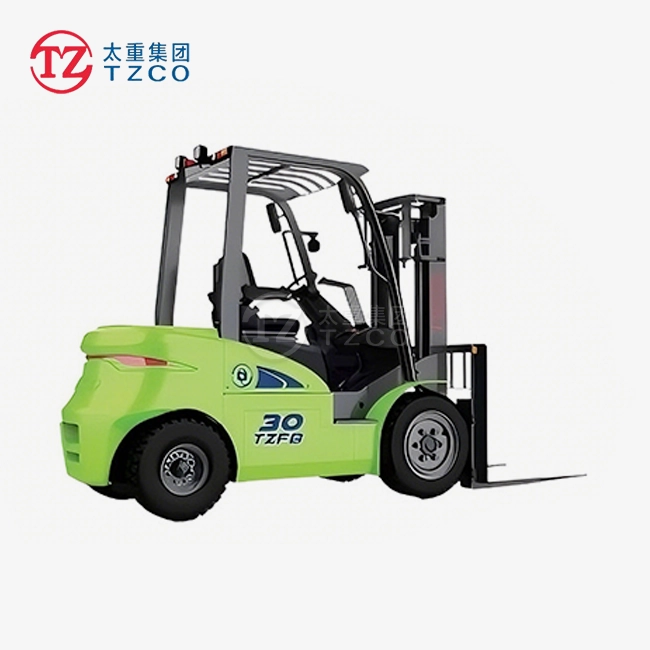
5t electric counterbalanced forklifts are an important step forward in the technology used to move and lift materials. They have strong 5000kg pulling ability and electric powertrains that don't emit any pollution. These adaptable machines are very important at building sites, factories, ports, and mines where moving big materials requires compliance with environmental standards and dependable operation. These days, buying equipment for industry more often means choosing electric options because they are better for the environment, safer, and cheaper in the long run. These benefits fit with modern working standards.
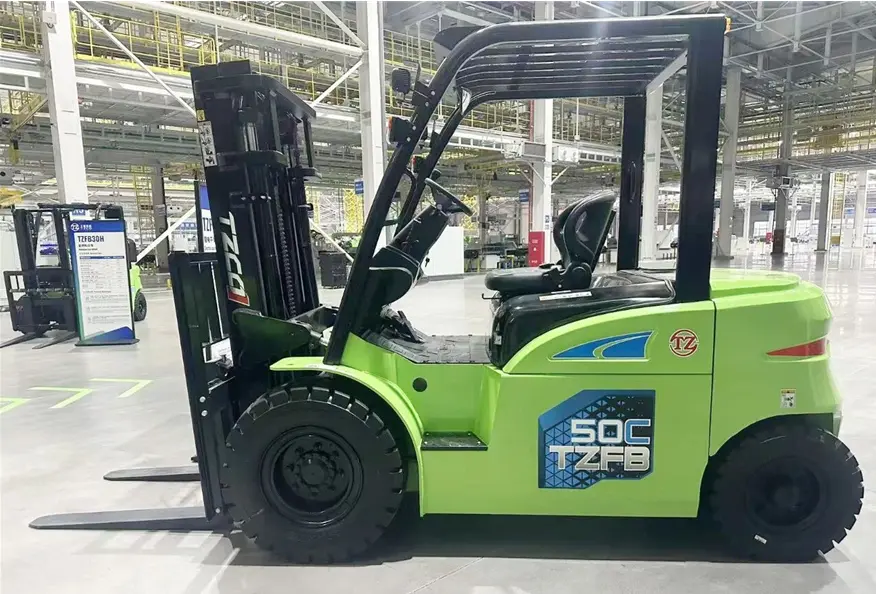
Understanding 5t Electric Counterbalanced Forklifts
Electric counterbalanced forklifts with a 5-ton capacity are designed in a very complicated way that manages big loads by moving the forklift's weight around instead of using supporting legs. This shape makes it easy to use in tight areas and keeps it very stable when moving materials.
Technical Specifications and Core Features
The TZFB50 type is a great example of current electric forklift tech. It can lift 5000kg, but the forklift itself weighs 6960kg. Electric drive systems get rid of hydraulic fluid needs and provide steady power across a range of situations at the same time. Batteries now allow 8 to 12 hours of continuous use, and newer lithium-ion choices are faster at charging - only 2 to 3 hours - compared to the 8 to 12 hours needed for standard lead-acid batteries.
These machines have regenerative stopping systems that collect energy when they slow down, which makes the time between charges longer. Backrest and side switch extensions make it easier to handle steel plates, building materials, and palletized goods.
Mechanical Framework and Load Distribution
Counterbalance design uses the forklift's rear weight to balance materials placed on the front, which makes safe lifting dynamics possible without the need for stabilizing legs. This setup lets you work in tight spaces while still being able to lift things fully at all points of motion. Advanced stability control systems keep an eye on the load center and change the hydraulic pressure on its own to stop things from tipping over.
Benefits of Using 5t Electric Counterbalanced Forklifts
Electric powertrains deliver measurable advantages across operational, environmental, and economic dimensions that directly impact industrial productivity and compliance requirements.
Environmental Impact and Emissions Reduction
Zero direct emissions make electric models ideal for indoor applications where air quality regulations prohibit diesel operation. Construction projects increasingly specify electric equipment to meet LEED certification requirements and municipal emission standards. Mining operations benefit from reduced ventilation needs in underground environments where diesel exhaust poses health and safety concerns.
Carbon footprint reduction becomes significant when renewable energy sources charge equipment batteries, creating truly sustainable material handling solutions for environmentally conscious operations.
Operational Cost Advantages
Electric powertrains require substantially less maintenance than internal combustion engines due to fewer moving parts and no fluid changes. Energy costs typically run 40-60% lower than diesel fuel, while extended component life reduces replacement frequency. Here are the primary cost benefits organizations experience:
Electric counterbalanced forklifts demonstrate superior cost efficiency through multiple operational advantages:
- Reduced fuel expenses through electric charging versus diesel consumption, particularly significant in high-utilization environments
- Minimized maintenance requirements due to simplified drivetrain components and elimination of oil, filter, and spark plug replacements
- Extended component longevity resulting from consistent power delivery and reduced mechanical stress on transmission systems
- Lower insurance premiums reflecting improved safety profiles and reduced fire hazards compared to fuel-powered alternatives
These economic advantages compound over equipment lifecycles, making electric models increasingly attractive for long-term fleet management strategies.
Applications and Best Practices for 5t Electric Counterbalanced Forklifts
Heavy-capacity electric forklifts excel across diverse industrial sectors where material handling demands intersect with environmental compliance and operational efficiency requirements.
Industrial Applications Across Sectors
Construction contractors utilize these machines for steel beam placement, concrete block positioning, and equipment staging in both indoor and covered outdoor environments. Port operations leverage their capacity for container handling and cargo staging where emission restrictions limit diesel equipment access.
Manufacturing facilities benefit from quiet operation during multi-shift production schedules, while steel plants appreciate the ability to handle heavy components without compromising air quality standards. Energy sector applications include turbine component installation and maintenance equipment positioning in renewable energy projects.
Operational Best Practices
Battery management protocols significantly impact equipment reliability and operational costs. Opportunity charging during breaks maximizes uptime while preventing deep discharge cycles that reduce battery life. Operator training emphasizes smooth acceleration and deceleration to optimize energy consumption and extend component longevity.
Regular maintenance scheduling includes battery terminal cleaning, tire pressure monitoring, and hydraulic system inspections that prevent costly downtime and ensure consistent performance across demanding applications.
Comparing 5t Electric Counterbalanced Forklifts to Alternatives
Equipment selection requires careful evaluation of operational requirements, environmental constraints, and total cost implications across various forklift technologies.
Electric vs. Internal Combustion Comparison
Electric counterbalanced forklifts offer superior indoor air quality and noise reduction compared to diesel or propane alternatives. However, diesel forklifts may provide longer continuous operation in outdoor applications where charging infrastructure limitations exist. Initial purchase costs typically favor internal combustion models, while operational expenses generally benefit electric alternatives over equipment lifecycles.
Maintenance complexity differs significantly, with electric models requiring specialized battery and electrical system expertise while diesel units need conventional engine service capabilities.
Capacity Considerations
5-ton capacity represents optimal balance between lifting capability and maneuverability for most industrial applications. Smaller 3-ton models offer enhanced agility in tight spaces but may require multiple trips for heavy materials. Larger 7-ton units provide additional capacity but sacrifice maneuverability and increase operational costs through higher energy consumption.
Load center requirements influence capacity selection, as materials with extended load centers effectively reduce available lifting capacity regardless of nominal ratings.
Procurement Guidance and Market Insights
Strategic equipment acquisition requires understanding market dynamics, supplier capabilities, and long-term support considerations that impact operational success.
Supplier Selection Criteria
TZCO brings seven decades of heavy machinery expertise to the electric forklift market, providing comprehensive solutions from initial consultation through equipment lifecycle support. Our intelligent logistics approach integrates forklift selection with broader material handling system optimization.
Certified suppliers offer warranty protection, parts availability, and technical support that significantly impact long-term operational costs. Service network coverage becomes critical for minimizing downtime and ensuring rapid response to maintenance requirements.
Technology Integration and Customization
Modern procurement emphasizes equipment that integrates with warehouse management systems and fleet monitoring technologies. Telematics capabilities enable remote diagnostics, usage tracking, and predictive maintenance scheduling that optimize fleet performance and reduce operational costs.
Customization options include specialized attachments, enhanced operator comfort features, and environmental adaptations for specific application requirements across construction, manufacturing, and logistics sectors.
Conclusion
5t electric counterbalanced forklifts are a must for modern industry operations that need to follow environmental rules while moving big materials. Their strong capacity, zero pollution, and lower prices make them compatible with current buying goals in the building, industrial, mining, and transportation sectors. To make sure the best performance of the tools over a long period of time, strategic selection means looking at the operating needs, the overall cost, and the help skills of the seller. Electric options are environmentally friendly and help businesses follow the rules and save money on energy costs.
FAQs
What are the main maintenance requirements for a 5t electric counterbalanced forklift?
Electric forklifts require regular battery maintenance including terminal cleaning and electrolyte level checks for lead-acid systems. Hydraulic fluid changes, tire inspections, and brake system maintenance follow standard schedules. Unlike diesel models, electric units eliminate engine oil changes and fuel system maintenance, significantly reducing service complexity and costs.
How long does the battery last on average, and what is the recharge time?
Modern lithium-ion batteries provide 8-12 hours of operation depending on application intensity and can recharge in 2-3 hours. Lead-acid alternatives offer 6-8 hours of operation with 8-hour charging cycles. Battery lifecycle typically spans 3-5 years with proper maintenance, while opportunity charging during breaks can extend daily operational time.
Can 5t electric counterbalanced forklifts be used outdoors in rough conditions?
Electric models perform well in covered outdoor applications and mild weather conditions. However, rough terrain and extreme weather may favor diesel alternatives due to their rugged construction and unlimited runtime. Pneumatic tires and enhanced ground clearance improve outdoor capability, but severe conditions may exceed electric model limitations.
Contact TZCO for Your 5t Electric Counterbalanced Forklift Needs
TZCO delivers comprehensive intelligent logistics solutions backed by 70+ years of heavy machinery manufacturing expertise. Our TZFB50 model represents cutting-edge electric forklift technology with 5000kg capacity and advanced safety features. We provide complete lifecycle support including consultation, customization, maintenance, and remanufacturing services. Whether you need a reliable 5t electric counterbalanced forklift supplier for single units or fleet procurement, our experienced team ensures optimal equipment selection for your specific operational requirements. Contact us at tzcoglobal@tz.com.cn to explore how our proven solutions enhance your material handling efficiency.
References
Industrial Truck Association, "Electric Forklift Market Analysis and Technology Trends," Annual Industry Report, 2024.
Materials Handling Institute, "Counterbalanced Forklift Design Standards and Safety Requirements," Technical Publication MH-2024.
Johnson, M.R., "Battery Technology Advances in Industrial Material Handling Equipment," Journal of Industrial Engineering, Vol. 45, 2024.
Environmental Protection Agency, "Emission Standards for Industrial Equipment in Enclosed Workspaces," Federal Register Guidelines, 2023.
Chen, L.K., "Total Cost of Ownership Analysis for Electric versus Diesel Forklifts," International Logistics Review, Issue 3, 2024.
American Society of Mechanical Engineers, "Load Capacity and Stability Testing Protocols for Counterbalanced Forklifts," ASME Standard B56.1-2024.