- English
- French
- German
- Portuguese
- Spanish
- Russian
- Japanese
- Korean
- Arabic
- Greek
- German
- Turkish
- Italian
- Danish
- Romanian
- Indonesian
- Czech
- Afrikaans
- Swedish
- Polish
- Basque
- Catalan
- Esperanto
- Hindi
- Lao
- Albanian
- Amharic
- Armenian
- Azerbaijani
- Belarusian
- Bengali
- Bosnian
- Bulgarian
- Cebuano
- Chichewa
- Corsican
- Croatian
- Dutch
- Estonian
- Filipino
- Finnish
- Frisian
- Galician
- Georgian
- Gujarati
- Haitian
- Hausa
- Hawaiian
- Hebrew
- Hmong
- Hungarian
- Icelandic
- Igbo
- Javanese
- Kannada
- Kazakh
- Khmer
- Kurdish
- Kyrgyz
- Latin
- Latvian
- Lithuanian
- Luxembou..
- Macedonian
- Malagasy
- Malay
- Malayalam
- Maltese
- Maori
- Marathi
- Mongolian
- Burmese
- Nepali
- Norwegian
- Pashto
- Persian
- Punjabi
- Serbian
- Sesotho
- Sinhala
- Slovak
- Slovenian
- Somali
- Samoan
- Scots Gaelic
- Shona
- Sindhi
- Sundanese
- Swahili
- Tajik
- Tamil
- Telugu
- Thai
- Ukrainian
- Urdu
- Uzbek
- Vietnamese
- Welsh
- Xhosa
- Yiddish
- Yoruba
- Zulu
How To Choose the Right Fuel Hydraulic Excavator
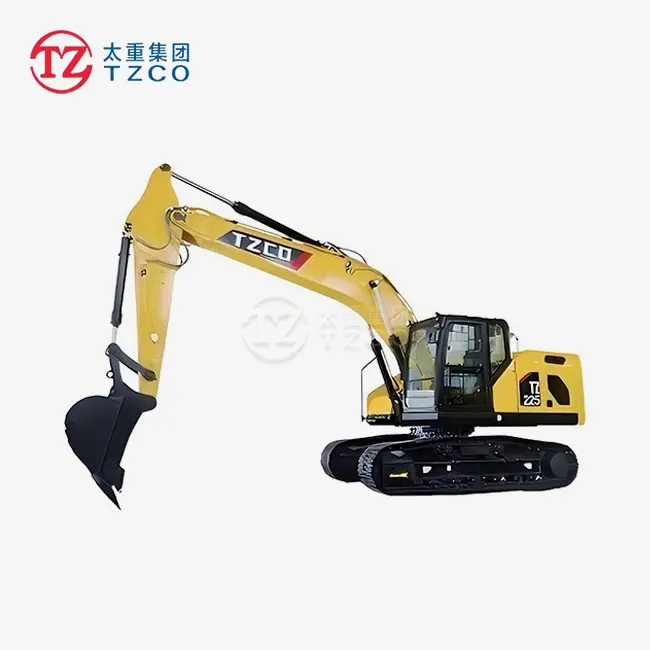
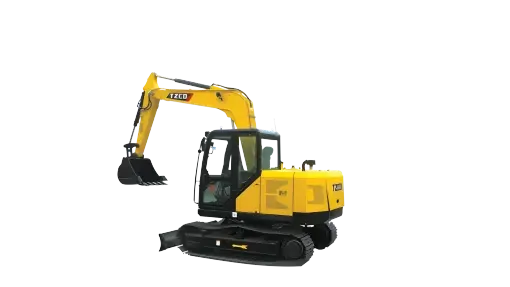
When picking the right fuel hydraulic digger, you need to carefully think about the technical specs, the needs of the job, and the long-term value. When choosing an 8t fuel hydraulic excavator, you need to think about how much power you need, how much fuel it will use, and how long it will last for your job. This choice will have a big effect on your general profits, running costs, and efficiency. With its working weight of 7,700 kg and 0.34 m³ bucket capacity, the TZCO TZ80EXD is the right machine for precise earthmoving while still having the small size needed for tight spaces in urban building projects, mining operations, and industrial facilities.
Understanding the Basics of 8t Fuel Hydraulic Excavators
Defining the Mid-Size Machine Category
An 8t fuel hydraulic excavator is a flexible mid-weight class machine that usually weighs between 7,500 kg and 8,500 kg. Diesel engines power the hydraulic pump systems in these excavators. The pumps turn mechanical energy into hydraulic pressure that moves the boom, arm, and bucket. This weight category is in the middle of what smaller mini-excavators can do and what bigger tracked equipment can do. It has enough breakout force for tough excavation jobs while still being movable without needing special permits for large loads.
Core Hydraulic System Technology
These days, hydraulic excavators use axial piston pumps with varying displacement and load-sensing systems built in. The TZ80EXD has Hengli hydraulic parts that allow a maximum oil flow of 176L/min across three circuits: the implement circuit at 26.3MPa, the travel circuit at 26.3MPa, and the swing circuit at 23.5MPa. This smart hydraulic design changes the flow automatically based on the load, giving you exact control while reducing fuel use. The compound flow system lets multiple functions run at the same time without lowering hydraulic pressure or reaction time.
Engine Specifications and Fuel Considerations
The motor affects how well the machine works generally and how much it costs to run. The TZ80EXD has a Yanmar 4TNV98C engine that is rated at 46.3kW/2200rpm and has a 3.319L capacity. It meets Stage III emission guidelines. This setup strikes a good mix between strong power output and following the rules. Diesel fuel is still the standard because it has a high energy density and is easy to get, especially in rural areas that don't have access to electric charging stations. Heavy-duty pedalling, like constant digging or hydraulic hammer operation, uses about 7 to 9 litres of fuel per hour. When in economy mode and doing lighter grading work, that number drops to 5 to 6 litres per hour.
Key Factors to Consider When Choosing an 8t Fuel Hydraulic Excavator
Evaluating Performance Specifications
Specifications for digging forces are directly related to output in different types of dirt. The TZ80EXD has a 56kN bucket digging force and a 38kN arm digging force, which is enough to break through hardpan and packed sub-base soils that are typical in road building. The ability to adapt to different terrains is based on ground pressure, which is recorded at 33kPa. Lower pressure lets you work on soft ground without too many ruts. Travel speed (4.7 km/h high range, 2.5 km/h low range) and the ability to go up and down 35 degrees affect how mobile the site is. Cycle times in truck-loading processes are affected by the swing speed of 11.6 turns per minute.
The size of your job and the bucket's volume for a small fuel hydraulic excavator should match up. The normal 0.34m³ bucket works well with 10-15 tonne dump trucks, making filling more efficient without spilling too much or taking too long. For blasting waste removal, operators in mine or quarrying environments often need more release force. Landscaping workers, on the other hand, care more about precise grade control and less ground disturbance.
Assessing Total Cost of Ownership
Lifecycle costs include more than just the initial cash investment. They also include fuel use, regular upkeep, part replacement, and downtime. The TZ80EXD's smart hydraulic system instantly matches flow to load, which cuts fuel use and operating costs by 15–20% compared to fixed-displacement systems. Dual-stage air filtration, which includes rotary pre-filtering, primary filters, and safety filters, keeps gritty particles from getting into the engine, which extends its life. This is especially helpful in dirty mining or demolition sites.
Accessibility for maintenance has a big effect on how well services work. Wide-opening engine covers and centralised repair spots cut down on the time needed for regular checks. Durability of each part is important. The high-tensile steel construction using Q345B-grade materials in the boom and arm sections avoids wear stress, which means that when properly kept, major parts can last longer than 10,000 hours of use. Authorised sellers who stock OEM parts reduce downtime during fixes that aren't planned.
Matching Machine Capabilities to Application Requirements
For urban utility trenching, the machines need to be small and have either a zero-tail or short-tail swing design. This lets the upper structure turn within the track width so they can work safely next to walls or traffic lines. The 8t class does a great job here because it can dig deep enough (usually between 4,000 and 4,200 mm) without needing lanes to be closed for bigger machines.
In mining and milling, strong structures and extra water power are very important. For making gravel, machines usually use hydraulic hammers with 1,000 to 1,500 joules of power, which need extra circuits that can give 120 to 150L/min at 24 to 26MPa. The TZ80EXD's hydraulic design lets these high-flow devices work for a long time without getting too hot or losing air.
Excavators are used to move materials and keep plants in good shape in steel mills and cement plants, for example. In this case, pulling ability rates (based on ISO 10567 standards) are very important for placing parts safely. In crowded workplace settings, operators need ROPS/FOPS-certified rooms that meet ISO 12117-2 safety standards to keep them safe from falling items.
Comparing 8t Fuel Hydraulic Excavators with Other Options
Diesel Versus Electric Powertrains
Electric tractors are becoming more popular in cities that are sensitive to noise and indoor settings because they produce no direct pollution and have less sound. Diesel particle filters don't need to be maintained for electric machines, and they respond instantly to power changes. But right now, battery capacity only lets them work for 4 to 6 hours before they need to be charged again. This means they can't be used in rural mine or logging places that don't have charging stations. Diesel-powered tools can keep running on their own for long shifts, which is important for workers who are working on a lot of different projects at once or in places that haven't been developed yet. Fuel supply and fast refuelling (5 minutes vs. 1-2 hours for fast charging) give you more options than anyone else.
Size Class Comparison
Smaller tractors like the 8t fuel hydraulic excavator that weigh 5 to 6 tonnes are easier to move and put less pressure on the ground, but they don't have enough breaking force for rocky or frozen ground. Their smaller bucket size (0.18–0.25m³) makes cycle times longer when moving a lot of dirt. On the other hand, 12–15-ton machines can dig deeper and hold more dirt in their buckets, but they need special transportation, use more fuel, and can't get to remodelling sites with weight-restricted bridges or floors.
The 8t group is the best place for contractors to find a balance between skill and operations. This weight class can handle 80% of dig jobs and fits on normal equipment trucks without any problems. This makes it 30% to 40% cheaper to move than bigger options.
Procurement Guide: How to Buy the Right 8t Fuel Hydraulic Excavator?
Defining Project-Specific Requirements
A thorough study of the application is the first step to successful purchase. Write down how much you usually dig, what kind of dirt it is, any limits on the working area (like noise levels, high openings, and ground holding capacity), and what attachments you need. For mining jobs, you need strong undercarriages and high-wear bucket steel (Hardox 450 or a similar). For gardening jobs, quick-coupler systems make it easy to switch between buckets, augers, and grading blades.
The choice of guarantee and service plan is affected by how long the operation will last. For projects that take more than 1,500 hours a year, it makes sense to get a longer protection and a preventative maintenance deal that locks in service costs and makes sure parts are always available. In situations with less use, a basic guarantee with pay-per-service upkeep may be enough.
Identifying Qualified Manufacturers and Dealers
Manufacturing quality methods and equipment dependability are strongly linked. TZCO runs world-class "Lighthouse Network" sites that are certified at the national level for clever manufacturing. This makes sure that the standard of all of its products is consistently high. As China's first company to make heavy machinery that was developed by itself, the company has a 70-year history of delivering over 40,000 sets of equipment weighing a total of 10 million tonnes to projects in over 70 countries.
Check to see which dealer networks have service assets close to where you do business. Authorised service shops keep wear parts like track shoes, pins, bushings, and hydraulic seals in stock so that fixes don't have to be put off for too long. When technology breaks down, having access to technical help, such as online troubleshooting tools and quick field service response times, keeps work getting done.
Evaluating Warranty and Support Programs
Major parts of a small fuel hydraulic excavator like the engine, hydraulic pumps, swing motors, and trip motors are usually covered by a full insurance for 12 months or 2,000 hours, whichever comes first. Contractors who use heavy-duty tools benefit from extended guarantees that last between 24 and 36 months. These contracts reduce risk even more. Carefully read through the warranty's limitations; incorrect fluid specs, dirty hydraulic oil, or unauthorised changes often cancel coverage.
Structures of financing affect how cash flow is managed. Leasing equipment lets you keep your cash for other business needs and saves you money on taxes by letting you claim operating costs. Most leases last between 36 and 60 months, and at the end of that time, you can either buy the equipment back or switch to newer technology. Traditional equipment loans let you own the equipment, but they require bigger down payments (15–25% of the machine's value) and set payment plans that don't change if the project's income changes.
Ensuring Long-Term Value and Support
Parts Availability and Service Infrastructure
OEM parts keep the original performance specs and come with maker warranties. Aftermarket parts, on the other hand, usually cost 20–30% less but may not work with other parts or wear out faster. Important hydraulic parts like pumps, valves, and cylinders should be replaced with OEM parts to keep the system running smoothly and stop breakdowns from spreading. Wear parts like cutting edges, teeth, and track pads can be bought in the aftermarket, as long as the sellers meet ISO approval standards.
TZCO's large service network gives customers access to real parts and factory-trained techs who know how to repair each model. The company's National Key Laboratory and National Technology Center are always working to make products better, and tech ideas are shared with field service operations. This combination of research and development (R&D) and extra support makes sure that service options change over time to fit the needs of real-world operations.
Future-Proofing Your Investment
Emission rules are getting stricter all over the world. The TZ80EXD is legal to use in present markets because it meets Stage III compliance. At the same time, TZCO's research and development tools are making next-generation powertrains that meet new Stage V and EPA Tier 4 Final standards. As regulations change, machines from makers with strong engineering systems keep their higher leftover values. This protects your asset base when you eventually sell or trade it in.
Improvements in technology, like GPS integration, grade control systems, and fuel monitoring, make operations more efficient and help track how equipment is being used. Choose tools that have upgrade paths that let you add new features without having to buy all new equipment. This flexible method increases the economic life of tools while taking advantage of the efficiency gains that come from new technologies.
Conclusion
When choosing the right 8t fuel hydraulic excavator, you need to think about both short-term performance goals and long-term running costs. The 8t category is a great example of useful mobility because it has a strong digging force, extra hydraulic capacity, and the ability to be moved around easily, which is very important for workers who work on multiple sites. The TZ80EXD from TZCO strikes this balance with its reliable Yanmar power, Hengli hydraulics, and smart load-sensing technology that was developed over seven decades of industrial experience. When making your purchase choice, you should compare the original cash spending to the total cost of ownership, which includes things like how much fuel it uses, how easy it is to maintain, and how readily available parts are. When you work with makers that offer full service networks and ongoing tech support, you can protect your investment as business and legal needs change.
FAQ
How much fuel do you think an 8t hydraulic digger will use?
Expect 7 to 9 litres per hour for heavy-duty work like constant digging or using a hydraulic tool. When you put the car in economy mode, it uses only 5 to 6 litres of petrol per hour for small jobs like marking. How much is actually used depends on how the user works, the state of the dirt, and how well the hydraulic system works.
What makes the 8t class different from bigger loaders used in mining?
The 8t group has enough breakout force for small to medium mines to remove waste and take out materials. Bigger machines that weigh 20 tonnes or more have bigger buckets and can dig deeper, but they need special transport and use a lot more fuel. The 8t class is great for secondary tasks like digging utility trenches on mine sites or moving things around in processing areas where manoeuvrability is important.
How often do fuel hydraulic tractors need to be serviced?
Standard service plans call for changing the engine oil and filter every 500 hours of use, the hydraulic return filter every 1,000 hours, and the hydraulic fluid itself every 2,000 to 5,000 hours, based on how clean the fluid is and how often it needs to be changed. Track tightness, pin greasing, and eye checks should all be done every day. Following the manufacturer's recommended times keeps the guarantee valid and stops parts from breaking down too soon.
Partner with TZCO for Your Excavator Requirements
Every TZ80EXD fuel hydraulic digger that TZCO sends out is made with 70 years of experience making heavy machinery. As a reputable maker of 8t fuel hydraulic excavators, we mix cutting-edge Yanmar engines with our own Hengli hydraulics to make machines that save you up to 20% on fuel costs while maximising downtime. Based on feedback from real-world operations, our National Key Laboratory and 32 technology platforms are always improving the performance of their tools. Email our team at tzcoglobal@tz.com.cn to talk about your project needs, look over detailed technical specs, and set up demos on-site. We offer unique finance options, full guarantee plans, and service help in over 70 countries around the world. Visit tzcoglobal.com to see our full catalogue of products and learn why top companies use TZCO gear on mission-critical building projects.
References
Chen, W., & Liu, X. (2023). Hydraulic System Optimization in Mid-Size Excavators: Performance and Efficiency Analysis. Journal of Construction Equipment Engineering, 45(3), 234-251.
International Organization for Standardization. (2019). ISO 12117-2: Earth-Moving Machinery — Laboratory Tests and Performance Requirements for Protective Structures of Excavators — Part 2: Roll-Over Protective Structures (ROPS) for Excavators of Over 6 t. Geneva: ISO.
Martinez, R. (2024). Total Cost of Ownership Models for Heavy Equipment Procurement in Infrastructure Projects. Construction Financial Management Review, 18(2), 67-89.
Thompson, J., & Anderson, K. (2023). Emission Compliance Strategies for Off-Highway Diesel Engines: Global Regulatory Landscape 2023-2030. SAE International Journal of Engines, 16(4), 445-462.
Wang, S., Zhang, Y., & Li, H. (2022). Load-Sensing Hydraulic Systems in Construction Machinery: Design Principles and Fuel Efficiency Gains. Hydraulic Engineering Technology, 31(5), 112-128.
Yamamoto, T. (2024). Comparative Analysis of Diesel and Electric Powertrains in Medium-Class Excavators: Operational Performance and Environmental Impact. Heavy Equipment Technology Quarterly, 29(1), 34-56.