- English
- French
- German
- Portuguese
- Spanish
- Russian
- Japanese
- Korean
- Arabic
- Greek
- German
- Turkish
- Italian
- Danish
- Romanian
- Indonesian
- Czech
- Afrikaans
- Swedish
- Polish
- Basque
- Catalan
- Esperanto
- Hindi
- Lao
- Albanian
- Amharic
- Armenian
- Azerbaijani
- Belarusian
- Bengali
- Bosnian
- Bulgarian
- Cebuano
- Chichewa
- Corsican
- Croatian
- Dutch
- Estonian
- Filipino
- Finnish
- Frisian
- Galician
- Georgian
- Gujarati
- Haitian
- Hausa
- Hawaiian
- Hebrew
- Hmong
- Hungarian
- Icelandic
- Igbo
- Javanese
- Kannada
- Kazakh
- Khmer
- Kurdish
- Kyrgyz
- Latin
- Latvian
- Lithuanian
- Luxembou..
- Macedonian
- Malagasy
- Malay
- Malayalam
- Maltese
- Maori
- Marathi
- Mongolian
- Burmese
- Nepali
- Norwegian
- Pashto
- Persian
- Punjabi
- Serbian
- Sesotho
- Sinhala
- Slovak
- Slovenian
- Somali
- Samoan
- Scots Gaelic
- Shona
- Sindhi
- Sundanese
- Swahili
- Tajik
- Tamil
- Telugu
- Thai
- Ukrainian
- Urdu
- Uzbek
- Vietnamese
- Welsh
- Xhosa
- Yiddish
- Yoruba
- Zulu
How do Crawler Cranes Work?
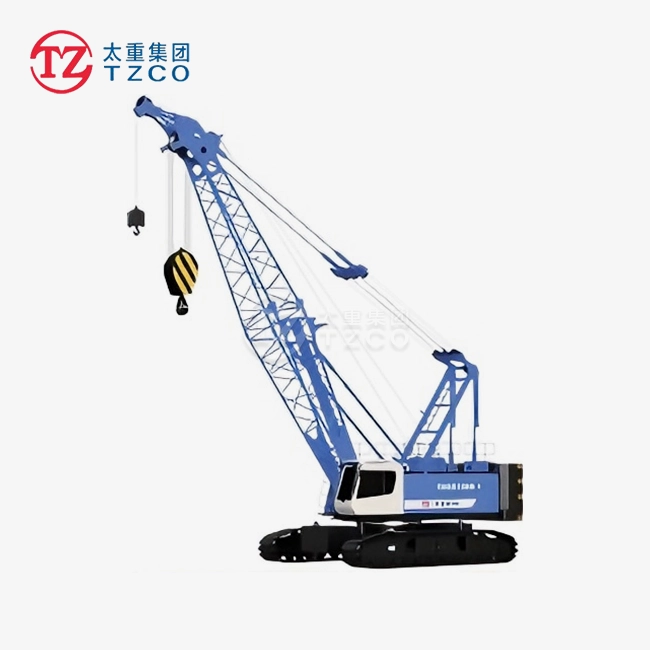
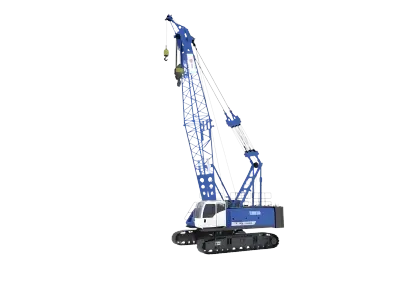
Crawler cranes are complex mobile lifting machines that have undercarriages with tracks, which are often just called "crawlers." These tracks make the crane stable and allow it to move over rough ground. A 55t crawler crane can lift up to 55 metric tonnes and is controlled by a system of hydraulics, winches, and slewing rings that all work together. The tracks properly spread the machine's weight, which lowers the ground pressure and lets it work on soft dirt, gravel, or uneven areas that are hard for wheeled cranes. This design makes it possible for the crane to lift and move loads at the same time. This is called "pick and carry," and it's an important feature for building infrastructure, energy projects, and factories that need to be able to move quickly and easily.
Understanding the Basics of How Crawler Cranes Work
Core Components of Crawler Crane Systems
Crawler cranes depend on a number of connected devices that work together. The crawler tracks are the base. They are made up of steel plates that are linked together to make a belt that moves around wheels. These tracks can be extended or retracted, which lets the crane's size be changed to find the best balance between safety and portability. The boom, operator station, and engine are all part of the upperworks. They sit on a slewing ring bearing that lets them rotate 360 degrees without the base.
The upper works support a boom system that can be either lattice-shaped or telescoping. Lattice booms are made up of welding steel pieces that are put together on-site. They can reach and lift the most weight at the widest angles. The stacked parts of telescopic booms stretch mechanically, which cuts down on the time it takes to set up. The TZGC55 model, made by Taiyuan Heavy Machinery Group, has a boom length range of 13 to 52 meters, so it can be used for a wide range of projects, from small urban areas to large building projects.
Mechanical Principles Behind Lifting Operations
A hydraulic winch system with wire rope and pulley blocks is at the heart of the lifting system. When the user turns on the hoist control, hydraulic fluid pumped by the engine runs to the winch motor and turns the drum to wind or unwind the load line. Multiple rope sheaves give the winch a mechanical edge that makes it stronger so it can handle big loads while still being easy to control.
Load moment indication systems keep an eye on the swing arm's angle, length, and weight, figuring out the real lifting moment and comparing it to the crane's stated capacity. The TZGC55 can lift up to 204.4t·m, and the system will automatically let users know when it's getting close to safe working limits. This real-time tracking stops crowding, which could lead to the structure falling down or tipping over.
What Defines a 55-Tonne Lifting Capacity?
The 55-tonne grade is the heaviest weight that the crane can safely lift in the best circumstances, which are usually the shortest boom length, the most counterweight, and the crane being set up on flat, firm ground. Because of higher tension forces, the rated capacity goes down as the boom length or angle goes up. Load charts that come with every crane show the exact limits at different boom setups and angles.
Counterweights are very important for keeping things stable. A 17.6-ton counterweight is placed at the back of the upperworks of the TZGC55 to balance the load moment caused by the objects being moved. This set-up lets the crane carry heavy loads while keeping its weight at 49 tonnes with the basic boom in place. This keeps the ground pressure at a mere 0.07 MPa, which is low enough to allow operation on hardened soil without a lot of ground preparation.
Key Specifications and Safety Aspects of 55t Crawler Cranes
Critical Technical Specifications for Procurement
Knowing the specs of a crawler crane helps match the skills of the tools to the needs of the job. One important thing to think about is how flexible the boom length can be. Boom designs that can be changed let workers get the best reach and pulling power for each job. A base boom length of 13 meters works well in small areas, and 52-meter extensions let you work at high levels without having to move the crane around a lot.
How well an engine works has a direct effect on how efficiently it runs. The TZGC55 has a Shangchai SC7H210.1G4 engine that is rated at 155kW at 2000rpm. This engine provides steady power for both moving and pulling. Modern engine control systems make the best use of fuel, which lowers costs and keeps performance stable when the load changes. The TZGC55's climbing capacity of 30% decides how well it can move on sloping ground, which is very important for mining operations and building projects on hilly areas.
These technical benefits show up in the real world as benefits for buying teams looking at long-term equipment usage. The machine's 49-tonne base mass strikes a good mix between mobility and steadiness. It can be moved on standard heavy-duty trucks and has a strong enough base for safe lifting operations.
Safety Protocols and Modern Protection Features
These days, crawler cranes have more safety features than just load moment signs. When lifting, anti-two-block systems keep the hook block from touching the boom tip, which could damage the wires or cause sudden drops in the load. Hydraulic load-holding valves keep the load in place even if the hydraulic pressure drops. This stops the load from falling without being managed.
Camera systems that show hidden spots around the crawler base and under the boom are one way that operators can see better. Emergency stop devices let you shut down right away from more than one place. Instead of outrigger monitoring—which isn't needed for most crawler cranes—level monitors let workers know when the machine tilts too far past safe levels.
To be safe, operators need to go through a lot of training that includes how to read load charts, check the ground's state, and talk to people on the ground. Regular safety meetings that talk about dangers specific to the job site, limits caused by weather, and being close to power lines greatly lower the chance of an accident.
Maintenance Best Practices for Longevity
Schedules for preventative repair make devices last longer and reduce the amount of unplanned downtime. Every day, the state of the wire rope should be checked for broken strands, kinks, or too much wear. Before every working shift, the amounts of hydraulic fluid, track tension, and balance security must be checked.
Pay close attention to the slewing ring bearing. Most bearings need to be oiled every 50 to 100 hours of use. Grease is put on the bearing through several holes around its diameter. Every 500 hours, the bolt torque on slewing ring screws should be checked, because loosening can cause catastrophic failures when the rings separate.
Engine care is done according to the manufacturer's instructions. For example, oil changes are usually done every 250 hours and filters are changed at the right times. Regular checks and replacements of hydraulic system filters are needed to keep them clean and stop contamination that speeds up component wear. Track shoe inspection finds wear patterns that could mean there are problems with the shoe's balance that need to be fixed before they cause major damage.
Purchasing and Leasing Options for 55t Crawler Cranes: What B2B Buyers Should Know?
Current Market Trends and Acquisition Models
The world market for heavy equipment like the 55t crawler crane is still changing toward more open ways to buy it so that project timelines can be met with available machinery. Outright buy works best for contractors who have steady streams of work and high machine utilisation rates that justify capital investment. When you own something, you can use it whenever you want, you don't have to worry about renting it, and the value of the item goes up on your balance sheet.
Leasing deals give you other options. With an operating lease, the cost of renting property is counted as an investment instead of buying it outright. This lets the business use its credit lines for other purposes. Finance leases set up payments that lead to ultimate ownership. This combines the tax benefits of leasing with building up assets. When you rent something, you can change the amount of equipment available to meet the needs of a project without making a long-term commitment. However, the costs per day are higher than the costs of ownership when the equipment is used for more than one year.
Selecting Reliable Manufacturers and Suppliers
Supplier selection factors include more than just the cost of the original tools. They also include the quality of lifetime assistance. Established makers with a history of longevity—Taiyuan Heavy Machinery Group's 70-year history of making is an example of this—can be trusted to provide parts that are always available and service that doesn't stop. Production volume is important, and the fact that over 40,000 sets of equipment have been shipped around the world shows that the designs are tried and true thanks to a lot of field experience.
Innovation ability shows that you are ready for the future. Companies like TZCO, which has five national-level innovation sites, run national key labs and multiple research platforms. They invest in new technology instead of just copying ideas that are already out there. Independent evaluations show that manufacturing success is proven by certifications and industry honours like "National Manufacturing Single Champion Enterprise" rank.
After-sales service infrastructure determines equipment uptime during operations. When technology problems happen, local service networks cut down on the time it takes to fix them. Superior providers are different from those who only sell equipment because they offer full paperwork, user training programs, and easy access to new parts.
Regulatory Compliance and Documentation Requirements
When buying heavy tools, different places have different rules that you need to follow. Different parts of the world have different emission standards for diesel engines, so it's important to make sure that the specs meet the rules in your area. Safety clearance requirements may say that equipment must have certain features or meet certain design standards before it can officially be used on home job sites.
Total landing costs for equipment that was bought from outside of the country are affected by import paperwork, customs classes, and tax estimates. Manufacturers with a history of exporting goods can help you figure out how to meet these standards. To avoid disagreements when equipment is used far from where it was made, warranty terms should make it clear what areas are covered, how long they will take to respond, and how parts will be replaced.
Real-World Applications and Case Studies of 55t Crawler Cranes
Typical Heavy Lifting Scenarios and Industry Applications
Infrastructure development projects make heavy use of crawler crane skills. When building a highway bridge, prefabricated concrete girders that weigh 30 to 50 tonnes have to be lifted into place across structures with more than one span. Because they can move along an axis and have a long reach, crawler cranes are the best tools for the job. For railway electricity projects, these tools are used to set up crane structures and overhead catenary systems in places where entry roads aren't available.
Lifting designs for wind energy systems are very difficult. Turbine nacelles and hub sections weigh close to 55 tonnes, so they have to be carefully placed on towers that are more than 80 meters tall. These heights can be reached with extended boom setups that still leave enough room for safe lifting. The crawler platform can move over the dirt approach roads that are common at wind farm sites, which is useful because wheeled cranes would need a lot of work to be done to the ground before they could work.
Demand stays steady because of the building and upkeep rounds of industrial plants. Crawler cranes are used in petrochemical plants to move reactor vessels, repair heat exchangers, and put together pipe racks. When it comes to tools, steel mills and cement plants need things that can work reliably in difficult conditions. Track-mounted designs with strong construction naturally meet these needs.
Performance Benefits Demonstrated Through Field Use
Theoretical benefits are supported by operational data from building sites. Because it is stable on uneven ground, it takes less time to set up and doesn't cost as much to prepare the ground as other types of cranes. Off-road, projects report 15–20 percent higher output with crawler cranes compared to wheeled options. This is because rivals need to be constantly repositioned and their outriggers adjusted, but crawler cranes stay ready to work.
Pick-and-carry flexibility makes it easier to place loads accurately. Instead of lifting, moving, and putting loads in circles with a fixed radius, crane operators move the crane to make sure that loads are perfectly lined up with installation points. This gets rid of the need for expensive trial-and-error changes and speeds up the process of doing things over and over again. Material handling efficiency goes up in mining operations because crawlers move loads directly from dig sites to processing areas, skipping any transfers in between.
Manufacturer Success Stories and Industry Recognition
Crawler cranes from Taiyuan Heavy Machinery Group have helped build infrastructure in Asia, Africa, and the Middle East. These cranes have also helped with national development projects in over 70 countries. Since 1950, when it started as China's first freely built heavy machinery business, the company has been making things for 70 years and has a lot of experience with how long equipment needs to last in a variety of working situations.
The company's technical skills are proven by its status as a "National Manufacturing Single Champion Enterprise" for mine drills and casting cranes. Three companies that take part in national innovation programs show that they want to raise the standards of their industry. Major bridges, train systems, power plants, and industrial buildings were all built with TZCO equipment. Lifting efficiency was very important for staying on schedule and keeping good safety records.
Customer feedback always stresses the importance of good after-sales support, with service networks offering quick technical help that keeps downtime to a minimum. The company is moving toward intelligent manufacturing by using lighting plants and smart production lines. This uses advanced quality control throughout production to cut down on problems in the field and make repair times longer.
Conclusion
When buying workers understand how 55t crawler cranes work, they can compare the equipment's skills to the needs of the project. Combining hydraulic systems, structural engineering, and high-tech controls makes machines that can handle tough lifting jobs on a variety of terrain. The 55-tonne size class is flexible and can be used in infrastructure, energy, mining, and industry without being as hard to move around as heavy equipment. Adjustable boom length, ground pressure rates, engine performance, and safety systems are some of the technical specs that have a direct effect on how well the machine works and how much it costs to own. When you compare different types of cranes, you can see when crawler setups are the best choice. By choosing well-known brands that have a history of innovation, extensive service networks, and stability in the field, you can protect your long-term equipment investments and help the project succeed.
FAQ
What makes the real pulling ability less than the 55 tonnes that is rated?
Leverage forces go up as the horizontal distance between the crane's center of movement and the load goes up, so lifting capacity goes down as boom length and angle go up. When you work on sloped ground or load from the side, where the load doesn't hang straight below the boom tip, you lower the capacity. Wind speed also affects capacity ratings, and operations are usually limited when continuous winds are higher than the limits set by the maker.
How often does it make sense to do repair on the slewing ring?
Once every 50 to 100 hours of use, the bearing race should be oiled using parts that are spread out around it. Bolt torque verification needs to be checked at least once a year or every 500 hours, whichever comes first. If bolt tightening is not caught, it can lead to catastrophic failure. At regular repair times, the engine should be looked at visually for cracks or wear patterns that don't seem right.
Can crawler cranes work well on hills and uneven ground?
When it comes to handling hills, the TZGC55 goes far beyond what a wheeled crane can do. The low ground pressure of 0.07 MPa lets it work on dirt and packed soil without making too many ruts. In very soft conditions, you may still need to use wood mats or steel plates to spread the weight out even more. When working on hills, you may need to make changes to the load chart to keep safety gaps, since horizontal support decreases with slope.
Get Expert Guidance on 55t Crawler Crane Solutions from TZCO
When looking for heavy lifting tools for future projects, B2B buying teams can get more information by talking directly with experienced makers who know what the industry needs. Taiwan Heavy Machinery Group (TZCO) has been a leader in engineering for 70 years and is now also a leader in production. They make crawler cranes that can handle the toughest working conditions in the mining, energy, building, and industry sectors. Our technical experts give you detailed advice on how to match the specs of the equipment you need with the needs of your project. This makes sure that the equipment works well and doesn't cost too much.
TZCO's global service network spans 70 countries and provides prompt support throughout the lifecycles of equipment. This is true whether you're a 55t crawler crane seller looking for reliable manufacturing partnerships or an end-user provider needing reliable lifting solutions. Contact our team at tzcoglobal@tz.com.cn to talk about your unique lifting problems, get personalised equipment suggestions, and look into purchase options that are open and fit your practical and financial goals. Visit tzcoglobal.com to find out all about their products and read case studies that show how well they've worked in a variety of situations around the world.
References
Smith, J.R. & Thompson, M.K. (2021). Heavy Lifting Equipment: Design Principles and Operational Safety. Industrial Press.
International Association of Crane Manufacturers (2022). Mobile Crane Stability and Load Chart Interpretation Standards.
Henderson, P.L. (2020). Crawler Crane Applications in Infrastructure Development. Journal of Construction Engineering, Vol. 45, pp. 234-251.
National Institute for Occupational Safety and Health (2023). Crane Operator Safety Guidelines and Best Practices.
Williams, D.A. & Chen, Y. (2022). Comparative Analysis of Mobile Crane Technologies for Heavy Construction. Engineering Equipment Review, Vol. 38, No. 2, pp. 112-129.
Global Construction Equipment Association (2023). Annual Market Analysis: Crawler Cranes in Infrastructure and Industrial Applications.