- English
- French
- German
- Portuguese
- Spanish
- Russian
- Japanese
- Korean
- Arabic
- Greek
- German
- Turkish
- Italian
- Danish
- Romanian
- Indonesian
- Czech
- Afrikaans
- Swedish
- Polish
- Basque
- Catalan
- Esperanto
- Hindi
- Lao
- Albanian
- Amharic
- Armenian
- Azerbaijani
- Belarusian
- Bengali
- Bosnian
- Bulgarian
- Cebuano
- Chichewa
- Corsican
- Croatian
- Dutch
- Estonian
- Filipino
- Finnish
- Frisian
- Galician
- Georgian
- Gujarati
- Haitian
- Hausa
- Hawaiian
- Hebrew
- Hmong
- Hungarian
- Icelandic
- Igbo
- Javanese
- Kannada
- Kazakh
- Khmer
- Kurdish
- Kyrgyz
- Latin
- Latvian
- Lithuanian
- Luxembou..
- Macedonian
- Malagasy
- Malay
- Malayalam
- Maltese
- Maori
- Marathi
- Mongolian
- Burmese
- Nepali
- Norwegian
- Pashto
- Persian
- Punjabi
- Serbian
- Sesotho
- Sinhala
- Slovak
- Slovenian
- Somali
- Samoan
- Scots Gaelic
- Shona
- Sindhi
- Sundanese
- Swahili
- Tajik
- Tamil
- Telugu
- Thai
- Ukrainian
- Urdu
- Uzbek
- Vietnamese
- Welsh
- Xhosa
- Yiddish
- Yoruba
- Zulu
4 Benefits of Straight Boom Lifts
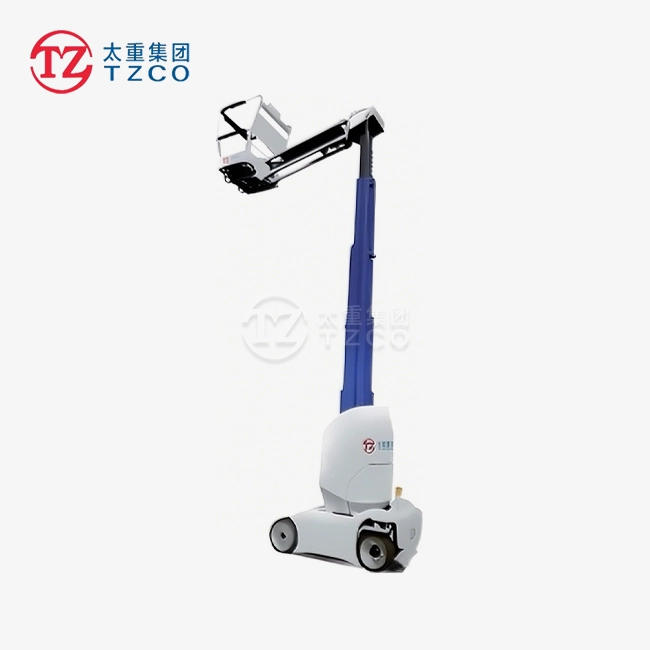
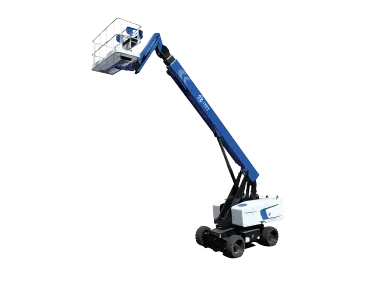
The 22m straight boom lift is an important tool for industrial operations because it helps workers get around tricky job sites where accuracy and vertical reach are very important. With a maximum working height of 24.6 meters and an amazing horizontal reach, this overhead work platform is the best at working at heights. Unlike articulating models that are made to get around obstacles, straight boom lifts focus on direct vertical access and a large load capacity—up to 454 kg in professional-grade units—making them the best choice for a wide range of industries, from shipyard work to power plant maintenance. The linear boom design gets rid of extraneous complexity while making the machine work more efficiently on open land where distance and height determine output.
Enhanced Reach and Accessibility for Complex Industrial Sites
Unmatched Vertical and Horizontal Performance
The best thing about flexible boom lifts is that they are both geometrically simple and highly complex in terms of engineering. Due to its 22.6-meter platform height, our TZPZ22HEF-L model illustrates this idea. It lets workers reach high work areas that are out of reach for scissor lifts or scaffolding systems. The straight boom design has better horizontal reach, usually going out 17 to 19 meters from the base. This is very important when obstacles on the ground make it impossible to place equipment close together.
Solving Real-World Access Challenges
In mining activities, dig holes or transportation systems often get in the way of getting tools from the staging area to the work zone. With the increased reach, repair teams can put the base unit on stable ground and extend the platform over obstacles to get to crusher assemblies, conveyor transfer points, or cable systems above. When compared to moving smaller tools around several times during a shift, this geometry advantage directly means less time spent setting up.
Using this reach feature is especially helpful for building bridges. If inspectors need to look at the bottom of bridge decks that cross rivers or highways, the straight boom design lets the machine stay on the road or riverside while extending the platform under the structure. This gets rid of the problems with logistics and safety that come with putting equipment in traffic lines or on shaky slopes.
Technical Specifications That Define Capability
We made sure that the TZPZ22HEF-L meets the realistic needs of big industrial settings when we designed it. Two workers plus tools, welding equipment, or inspection instruments can fit inside the 454 kg safe working load without affecting the steadiness. The 4WD2WS drive system with a fully moving axle improves off-road performance on rough ground that is common in building zones, mines, and plant growth. The load-sensitive hydraulic control system ensures exact, fast operation while keeping energy efficiency high. This makes the cycle more efficient when placing things over and over for long periods of time.
Safety Features That Minimize Risks in Elevated Work Environments
Integrated Safety Systems for High-Risk Applications
Working at heights above 20 meters comes with risks that need to be carefully thought out and planned for. Modern straight boom platforms have a lot of safety features that work together to keep workers safe in case one of them fails. Stability tracking devices keep an eye on the load distribution, boom angle, and ground slope all the time to make sure activities stay within safe limits. Even if the hydraulic system fails, emergency fall devices allow controlled lowering, making sure that workers can safely get back to ground level.
The 22m straight boom lift TZPZ22HEF-L has tilt alarms that go off when the machine senses that the ground slope is too steep. This keeps the machine from operating accidentally on shaky ground. In the hydraulic system, load sensors track how the weight is distributed in real time and let workers know when they are getting close to the system's capacity limits. Together, these systems and the stabilisation settings change the hydraulic pressure automatically based on the extension and turning angle of the boom. This keeps the platform stable no matter how it is used.
Compliance With Global Safety Standards
International safety standards are very strict when it comes to how we make things. The tools are safe and meet the standards set by ANSI/SAIA A92.20 for Mobile Elevating Work Platforms in North America, as well as EN280 for activities in Europe and ISO 16368 for safety around the world. These certificates are the result of a lot of tests that checked the structure's strength, its ability to stay stable in a certain range of circumstances, and the safety of all its parts.
When purchasing teams look at overhead work platforms, they should give more weight to equipment that is approved to meet the safety standards that apply to their work area. This not only makes sure that the law is followed, but it also lowers the risk of responsibility and the cost of insurance for accidents at work. The approvals show that the equipment has been checked by a third party to make sure that safety-critical design elements and production quality controls were met.
Operational Protocols That Extend Equipment Life
Long-term safety success is determined by more than just the fundamental safety features of a system. We suggest thorough operator training programs that cover things like how to do pre-shift checks, how to figure out loads, and what to do in an emergency. As part of regular maintenance, hydraulic fluid analysis, structural weld checks, and load tests should be done to make sure that the machine is still meeting the manufacturer's requirements. These preventative steps cut down on unplanned downtime and find possible problems before they hurt operators or push back project plans.
Cost-Effectiveness and Maintenance Efficiency for Long-Term Operations
Total Cost of Ownership Analysis
The real economic value of industrial tools can be seen in choices about purchases that go beyond the initial purchase price. The straight boom lift has a simpler mechanical design than flexible types, with fewer pivot points and hydraulic pistons. This means that it needs less upkeep and doesn't need to keep as many extra parts on hand. The TZPZ22HEF-L uses universal tools that work with standard hydraulic parts. This makes it easier to find parts and cuts down on the time it takes to fix problems when they happen on remote job sites.
Energy economy is another important cost factor for running a business. Instead of keeping the maximum pressure steady, the load-sensitive hydraulic control system changes the pump output based on how much work needs to be done. This smart system lowers the amount of fuel used during placement moves and rest times. This increases the working runtime per fuel tank while lowering emissions. The 83.2V/375Ah battery standard includes mixed operation modes that save even more gas when the battery needs to be moved around a lot but only for a short time.
Flexible Acquisition Models for Varied Project Demands
Industrial buying teams for a 22m straight boom lift have to deal with a wide range of budget and time limits. Buying tools outright makes financial sense for businesses that have a lot of work to do on a lot of different projects at the same time. Owned equipment's predictable upkeep and loss schedules help with long-term financial planning and make sure that equipment is available during times of high demand.
Rental agreements give project-based workers who have changing tasks or want to see how well equipment works before buying it the freedom to do so. When you rent equipment for a short time, you don't have to pay for storage or maintenance during slow times, and you can use the newest technology and well-kept equipment that is covered by the rental company's service agreements. Leasing programs are a good compromise because they offer stable monthly costs and the chance to buy at the end of the contract.
Maintenance Strategies That Maximize Uptime
We made the TZPZ22HEF-L so that it is easy to maintain in the field. Important service places can still be reached without taking the whole thing apart, which cuts down on the time needed for regular maintenance like changing fluids and filters. The 180-liter hydraulic oil tank has enough space to cool parts properly and allows for longer periods between service visits compared to smaller reservoir systems. Transportability by normal wreckers makes moving between job sites easy without the need for special hauling equipment. This lowers the cost of mobilisation for contractors who work on more than one site.
Setting up regular preventive maintenance plans that are in line with what the maker suggests keeps you from having to make expensive emergency fixes and increases the life of parts. Boom lifts' most common early component failure is due to pollution in the hydraulic system. Fluid analysis done on a regular basis finds patterns of contamination before they damage the pump or cylinder, and filter replacements on a regular basis keep the system clean. Weld soundness and boom extension devices are checked for wear or rust during structural checks so that they don't affect working safety or need major repairs.
Versatility and Performance Across Multiple Industrial Sectors
Construction and Infrastructure Applications
For highway building jobs, you need tools that can go over rough terrain and provide stable work platforms for checking bridges, putting up overhead signs, and maintaining road lights. The straight boom has better gradeability—often more than 45% on 4WD models—so it can be used on slopes and rough terrain that are common in the early stages of building. For concrete finishing work on bridge piers and abutments, where precise placement is more important than obstacle clearing, the straight vertical reach makes placing easier.
Telescopic boom platforms are very useful for installing and maintaining catenary systems, which are used in railway electricity projects. Technicians can reach high contact lines with the long horizontal reach, while the base unit stays put on nearby access roads or in track repair windows. The platform can hold up to 454 kg, which is enough to fit the specialised tools needed for installing insulators and tensioning systems without having to set up multiple sets of tools.
Energy Sector and Power Generation Facilities
Taking care of power plants with a 22m straight boom lift is hard because of the height restrictions and strict rules about how to get to the sites. The straight boom lets workers work at an angle, so they can check cooling towers, maintain boiler tubes and service transformers while the base unit stays out of safety zones around high-voltage equipment or systems that are under pressure. When moving around pipe racks, wire trays, and structure supports that are common in large industrial buildings, the equipment's ability to get over obstacles is very useful.
When full climbing access isn't needed, wind turbine repair teams use straight boom platforms to check the nacelles and service the towers. The stable boom during long-reach operations gives techs working on gearbox checks or generator maintenance safe places to stand. They can get to these platforms through service doors in the turbine tower. The equipment's ability to move between blades cuts down on the time needed to set up fixed support while still providing a stable work platform.
Port Operations and Shipyard Applications
Shipyards are especially tough places to work because they have toxic sea air, crowded work areas, and uneven ground. For maintenance work on the deck of a ship, like sanding or welding, you need platforms that can be moved along bent ship lines and stay stable on dirt or concrete pads. The long horizontal reach of the straight boom means that equipment doesn't need to be set up on temporary docks or ships. This makes setup easier and increases operating safety.
For repair on container cranes, high work platforms are needed to get to the boom frames, cable systems, and operator cab parts. The flexible boom gives it the high reach it needs for these jobs, and the small size of the base lets it be used between crane rail systems and rows of stacked containers. The working weight of 12,625 kg keeps things stable while they are up high, without going over the normal industrial floor loading limits in repair facilities.
Comparing Aerial Platform Technologies
To figure out when straight boom lifts are the best option, you need to compare them to other technologies. When working in tight areas, articulating booms are the best way to get around obstacles. This makes them ideal for indoor repair in factories with HVAC or pipe systems that go up and over the ceiling. Scissor lifts have a more stable base and can carry more weight, but they can't reach horizontally or over rough ground. Spider lifts have low ground pressure, which is good for sensitive surfaces, but they slow down operations and can't carry as much.
The straight boom is most common in situations where maximum reach, heavy load capacity, and ability to work on rough ground are important. When choosing flying platform technologies, procurement teams should look at how the job site usually is, the needed platform height and spread options, the load requirements (including tools and materials), and the way the ground is. This study makes sure that the tools chosen matches the needs of the business, rather than buying something based on its highest height or low price.
Conclusion
22m straight boom lift straight boom lifts are useful for more than just their amazing high reach. These platforms solve basic entry problems in many different industrial sectors. They also improve working efficiency by making upkeep easier, using less energy, and building strong safety systems. The TZPZ22HEF-L is a great example of modern engineering in an aerial work platform. It combines 70 years of experience making heavy machinery with current clever control systems and energy-efficient operation. Teams in charge of buying things that want long-term value, operational freedom, and proven dependability will find that these platforms offer measured returns through shorter project timelines, better safety performance, and stable running costs over the course of their service life.
FAQ
In real life, what makes straight boom lifts different from flexible models?
The main difference is in the shape of the reach and the attention on the application. Straight boom lifts focus on getting the most vertical height and horizontal reach with a single telescopic arm. This gives them longer reach lengths and more platform capacity. Articulating models have more than one turning point, which lets them move over obstacles and through tight areas, but they lose reach and weight capacity in the process. If you need to reach far and are in an open area, choose a straight boom. If you need to get around a lot of hurdles, choose a flexible model.
How do the working conditions affect how well and how long a straight boom lift lasts?
Environmental factors have a big effect on how long equipment lasts and how often it needs to be maintained. Marine settings that are corrosive speed up the breakdown of parts, which means they need to be inspected and protected more often. Extreme temperatures can change the thickness of hydraulic fluid and the way batteries work, which could mean that fluid needs to be changed every season or extra heating systems need to be put in place. Places with a lot of dust, like mines, need better filtering systems and filter repair more often. When you match the right equipment specifications to the expected working conditions and follow the right repair procedures for that setting, you can extend the equipment's service life and keep it reliable.
What teaching rules make sure that operating a straight boom lift is safe?
Full training for operators should include how to do pre-operational checks, figure out the load capacity using tools and materials, evaluate the terrain, and know what to do in case of an emergency drop. Trainers need to talk about how straight boom guns tailswitch, how fast the wind can blow (usually around 12.5 m/s), and how to use fall protection systems correctly. Regular refresher training helps people remember to be safe while also presenting them to new tools or different ways of doing things. Documentation of training completion protects you from risk and makes sure that everyone on your team is operationally competent.
Partner With a Trusted 22m Straight Boom Lift Manufacturer
TZCO has unique experience making overhead work platforms. They have been making new heavy machinery for over 70 years and have completed big projects in over 70 countries around the world. The TZPZ22HEF-L straight boom lift is the result of advanced engineering, smart manufacturing processes, and a deep understanding of what is needed on an industrial job site. We made this platform with the features that procurement workers care about the most: dependability that keeps downtime to a minimum, flexibility that lets it work with a wide range of apps, and build quality that shows off our National Key Laboratory research capabilities. Our customer-focused approach, full technical support, and global service network make us a reliable choice for procurement teams looking for a 22m straight boom lift provider. Get in touch with us at tzcoglobal@tz.com.cn to talk about how our straight boom platforms can meet your specific operating needs and to find out why top workers trust TZCO tools for their most difficult high-level work tasks.
References
Anderson, J.M. (2021). Aerial Work Platform Safety and Operational Standards in Industrial Applications. Industrial Equipment Press.
Chen, W.H., & Rodriguez, M. (2022). Total Cost of Ownership Analysis for Heavy Construction Equipment. Journal of Construction Engineering and Management, 148(7), 04022056.
International Powered Access Federation. (2023). Global Safety Report: Mobile Elevating Work Platforms. IPAF Technical Publications.
Martinez, R.L. (2020). Hydraulic System Design and Maintenance in Mobile Heavy Equipment. McGraw-Hill Professional Engineering.
Thompson, K.D., & Walsh, P.J. (2022). Comparative Analysis of Aerial Platform Technologies for Industrial Maintenance. Equipment Today Technical Review.
United States Occupational Safety and Health Administration. (2023). Aerial Lift Standards and Compliance Guidelines. OSHA Publication 3150.