- English
- French
- German
- Portuguese
- Spanish
- Russian
- Japanese
- Korean
- Arabic
- Greek
- German
- Turkish
- Italian
- Danish
- Romanian
- Indonesian
- Czech
- Afrikaans
- Swedish
- Polish
- Basque
- Catalan
- Esperanto
- Hindi
- Lao
- Albanian
- Amharic
- Armenian
- Azerbaijani
- Belarusian
- Bengali
- Bosnian
- Bulgarian
- Cebuano
- Chichewa
- Corsican
- Croatian
- Dutch
- Estonian
- Filipino
- Finnish
- Frisian
- Galician
- Georgian
- Gujarati
- Haitian
- Hausa
- Hawaiian
- Hebrew
- Hmong
- Hungarian
- Icelandic
- Igbo
- Javanese
- Kannada
- Kazakh
- Khmer
- Kurdish
- Kyrgyz
- Latin
- Latvian
- Lithuanian
- Luxembou..
- Macedonian
- Malagasy
- Malay
- Malayalam
- Maltese
- Maori
- Marathi
- Mongolian
- Burmese
- Nepali
- Norwegian
- Pashto
- Persian
- Punjabi
- Serbian
- Sesotho
- Sinhala
- Slovak
- Slovenian
- Somali
- Samoan
- Scots Gaelic
- Shona
- Sindhi
- Sundanese
- Swahili
- Tajik
- Tamil
- Telugu
- Thai
- Ukrainian
- Urdu
- Uzbek
- Vietnamese
- Welsh
- Xhosa
- Yiddish
- Yoruba
- Zulu
Advantages of Using the Fuel Hydraulic Excavator
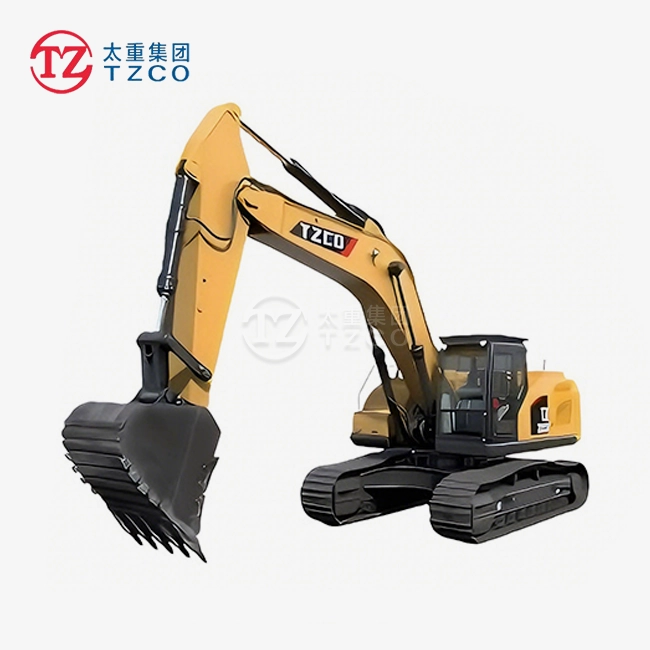
Fuel hydraulic excavators are very useful in mining, building, and other industries because they combine strong fuel power with precise hydraulic control. The 8t fuel hydraulic excavator is a flexible worker that strikes the perfect mix between being small enough to move around easily and having a lot of digging power. This weight class solves important problems: it has enough release force for tough jobs while still being easy to move around without any special permissions, so it can keep working on its own in rural areas where electric options have trouble with infrastructure. These machines make it cheaper to move things around, can work for longer than battery-powered machines, and can easily handle different types of terrain, from digging utility trenches in cities to clearing land for forests. This makes them essential tools for procurement managers looking for reliable, low-cost solutions.
Understanding the Fuel Hydraulic Excavator: Working Principles and Key Benefits
Fuel hydraulic excavators use internal combustion engines to power complex hydraulic pump systems. These systems turn mechanical energy into pressurised fluid that moves the boom, arm, and bucket very precisely. This basic plan gives you a number of business benefits that have a direct effect on your bottom line.
How Diesel-Powered Hydraulic Systems Work?
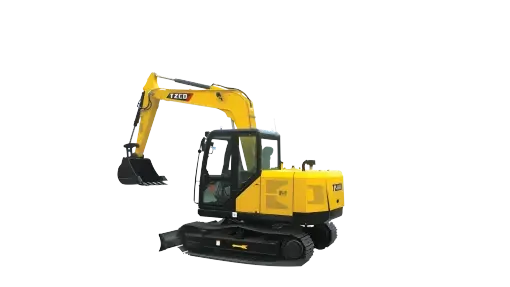
The diesel engine makes spinning force that is sent to axial piston pumps with changeable displacement. These pumps make high-pressure hydraulic fluid, which usually works at 24 to 26 MPa. This fluid moves to hydraulic cylinders through control valves. This efficient power conversion is shown by the TZCO TZ80EXD model, which has a Yanmar 4TNV98C engine that produces 46.3 kW at 2200 rpm. The Hengli hydraulic system of the machine changes flow rates up to 176 L/min automatically based on the load. This way, you never lose fuel on hydraulic output that isn't needed.
This smart load-sensing technology is a big step forward from systems with set movement. The system automatically lowers the flow when workers do light grading work, using as little as 5–6 litres of water per hour. During heavy digging or breaking operations, the amount used rises to about 7 to 9 litres per hour, but the power supply stays the same. The two-stage air intake system, which includes rotary pre-filtering, primary filters, and safety filters, keeps the engine safe from dust and debris that are common in demolition and mining sites. This makes parts last longer and reduces the number of times they need to be serviced.
Environmental and Operational Flexibility
Modern fuel hydraulic excavators have to meet strict pollution standards but can still be used in a variety of ways. Stage III pollution rules are met by the TZ80EXD thanks to improved combustion optimisation and waste treatment. This doesn't hurt performance; the 3.319L capacity engine keeps its strong power traits even when the load changes, which is important for tasks that need steady digging force.
The fuel-based method gives it unmatched operating independence. Diesel-powered machines can work nonstop for 8 to 12 hours shifts with just refuelling, while electric excavators need charging stations. This is very helpful for mining, building pipelines in rural areas, and using technology in forests where access to the power grid is limited or nonexistent.
Performance and Efficiency: Why Choose Fuel Hydraulic Excavators for Construction and Mining?
Metrics for performance directly relate to how profitable a project is. The group of mid-size fuel hydraulic excavators offers real benefits in a number of operating areas that are most important to people who make buying decisions.
Superior Digging Force and Cycle Times
The TZ80EXD small fuel hydraulic excavator has a 56 kN bucket digging force and a 38 kN arm digging force, which means it can dig through hardpan, broken rock, and packed soils without having to first open them. This feature gets rid of the need for extra gear, which lowers the overall cost of the fleet. The machine's working device structure has been optimised to get rid of stress concentration spots. This lets cycle times go faster without wearing out parts.
With a swing speed of 11.6 rpm and movement speeds of up to 4.7 km/h, workers can quickly do the load-dump-return steps. These specs mean that the cycle can be finished about 15 to 20 percent faster than with options that aren't as powerful in the same weight class. The compound action flow system lets the boom be raised and the bucket rolled up at the same time, cutting seconds off of each cycle. Over a full shift, this saves hours of time every day.
Adaptability Across Terrain and Applications
The TZ80EXD can work on soft or sensitive areas with a ground pressure of 33 kPa without causing too many ruts. It can also handle steep hills that are common in road building and drainage projects thanks to its 66.3 kN maximum trip force and 35-degree gradeability. The machine's operating weight of 7,700 kg makes it perfect for urban renovation projects where heavier equipment would damage underground utilities or go over the weight limit for the road. It's also stable enough for hydraulic breaker attachments that deliver 1,000 to 1,500 joules for breaking up concrete.
This flexibility is especially helpful for improving municipal facilities. When putting fibre optic lines under existing sidewalk, the small size means that only one lane needs to be closed instead of the whole road. This keeps traffic moving as smoothly as possible and saves money on costs. For water conservation projects that dig drainage channels or build retention ponds, the 0.34 m³ bucket size is useful for moving materials quickly while the machine moves over uneven, partly wet ground.
Operational Uptime and Reliability
Fuel systems have been shown to work reliably in harsh environments and a wide range of temperatures. Diesel engines regularly start in cold places and keep working well in hot places where batteries quickly lose their power. The TZ80EXD's one-click start feature and touch display make it easier to use, which cuts down on training time and delays caused by starting up.
According to industry guidelines, the engine oil and filter should be changed every 500 hours, the hydraulic return filter should be serviced every 1,000 hours, and the hydraulic fluid should be replaced completely every 2,000 to 5,000 hours, based on the quality of the fluid and how it is being used. Service points are easier to get to than bigger machines, which lets workers do regular upkeep quickly and effectively, which increases working hours.
Procurement Considerations: How to Choose and Buy the Right Fuel Hydraulic Excavator?
Strategic buying weighs the initial investment against the total costs over the product's lifetime, making sure that the equipment's specs match its practical needs. Before buying an 8t fuel hydraulic excavator, you should carefully consider a number of important factors.
Evaluating Technical Specifications and Application Fit
The way you run your business determines certain technology needs. To follow city rules and work in small areas, urban builders put an emphasis on small sizes and low noise levels. The TZ80EXD is designed to fit on small job sites while still keeping structural integrity through high-tensile steel construction that meets Q345B standards. This makes sure that it will last even after being loaded many times.
To deal with coarse dust and long periods of high load, mining and quarries require better filters and cooling systems. Check that the flow rate and pressure of the secondary hydraulic circuit meet the needs of the planned connection. Most hydraulic thumbs, augers, and compaction plates can be used with standard auxiliary circuits that give 120–150 L/min at 24–26 MPa. However, additions like mulcher heads may need more powerful systems.
Supplier Credibility and Support Infrastructure
The history of the manufacturer of the 8t fuel hydraulic excavator has a big effect on the long-term owning experience. TZCO has been making heavy machinery for more than 70 years and has sent more than 40,000 sets of equipment weighing a total of 10 million tonnes to projects in more than 70 countries. This history shows that the company is good at building and making consistent products, which is important for making sure that the equipment works well.
The framework for technical help is just as important. Having access to original spare parts cuts down on downtime when parts need to be serviced. TZCO's network makes sure that parts are available and that expert help is available. It is backed by research and development tools like a National Key Laboratory and a National Technology Center that are supported by 32 innovation platforms. This institutional knowledge leads to ongoing product changes and quick technical help for users who run into tough applications.
Warranty Coverage and After-Sales Service
Full insurance terms protect your investment during the important first few months of use. Check the details of the coverage. guarantees for powertrains usually last between 12 and 24 months or 2,000 to 3,000 working hours. However, guarantees for hydraulic parts may have different coverage terms. Make it clear what breaks the guarantee, like making changes without permission or using the wrong fluid specs, so that workers can keep their coverage.
How quickly you can get help after the sale has a direct effect on how much equipment is used. Check to see if the maker is committed to giving your repair staff professional training, troubleshooting tools are available, and the company can do work in the field. TZCO's customer-centred method puts customer happiness first by providing customised solutions that meet specific business needs. This way, you'll get ongoing help for the entire lifecycle of your equipment.
Fuel hydraulic excavators: how to keep them in good shape and environmental issues to think about
Preventive repair techniques keep technology working well and make it last longer. Structured service methods cut down on mistakes that come up out of the blue and the lost output that comes with them, which can affect project plans and profits.
Essential Maintenance Protocols
The most important part of upkeep is keeping the hydraulic system clean. About 75% of hydraulic system breakdowns are caused by contamination, which damages seals and scores the walls of cylinders and valve parts. It is important to keep hydraulic fluid clean to at least ISO 4406 18/16/13 standards by storing, moving, and filtering it correctly during service. Replace hydraulic filters at the times recommended by the maker, and look into any changes in how the hydraulics work or strange noises that could mean pollution or component wear right away.
Diesel service standards are followed for engine repair on the small fuel hydraulic excavator. Use the oil types and change times recommended by the maker. Usually, this is every 500 hours. The advanced filtering system in the TZ80EXD needs to have both the rotating pre-filter and main filter parts checked on a regular basis. As dusty surroundings make filters load faster, clean or change air filters based on the state of the sign rather than at set times. Keep an eye on the state and quantity of the coolant, especially in places where temperatures change quickly, to stop rust and make sure there is enough freeze protection.
Inspection of the track system keeps the machine stable and saves money on fixes. Track tightness should be checked once a week and adjusted according to the manufacturer's instructions to keep sprockets and wheels from wearing out too quickly. Check your track shoes for damage or too much wear, especially when switching between activities that require different surface conditions. When digging in rocky ground, rubber track pads that are made for work on roads need to be replaced so that they don't wear out quickly and damage the steel parts below.
Environmental Compliance and Sustainability
Emission rules are still changing around the world. The TZ80EXD meets many foreign and current North American standards thanks to Stage III compliance. However, make sure it meets the needs of your area when you buy it. In some places, the law requires more exhaust after-treatment systems called Stage V or Tier 4 Final. Planning for changes to regulations keeps equipment from becoming useless too soon in places where standards are getting tighter.
The choice of fuel affects both efficiency and the damage done to the environment. Biodiesel blends up to B20 (20% biodiesel, 80% petroleum diesel) can be used in modern diesel engines without any changes. This lowers particulate pollution and uses fuels that come from green sources. Check with the manufacturer's instructions to see what kinds of biodiesel are allowed, as low-quality blends can leave deposits in the fuel system or make it hard to start in cold weather.
Beyond pollution, operational methods have an effect on the world. Leaks in hydraulic systems pollute the ground and dirt. Check hoses, valves and tanks visually every day to find possible problems before they cause a lot of fluid loss. Getting rid of used hydraulic oil, engine oil, and filters through approved recycling routes shows that a company cares about the environment and follows the rules for toxic trash.
Conclusion
In a wide range of workplace settings, 8t fuel hydraulic excavator fuel hydraulic excavators have been shown to work well, be flexible, and provide cost-effective options. The 8t category is a great example of the best engineering balance because it offers a lot of digging power and steadiness in a small package that makes it easy to get to tight job sites and move around without special permits. The TZ80EXD model from TZCO has these benefits thanks to its advanced hydraulic technology, solid Yanmar power, and structural optimisation. It also comes with seven decades of industrial excellence to back it up. When strategic procurement managers choose equipment, they look at more than just the cost of the initial purchase. They also look at dependability, support infrastructure, and the total value of the equipment over its entire life. Diesel-powered hydraulic excavators continue to show clear advantages in terms of their ability to work on their own, make maintenance easier, and be flexible in a variety of demanding environments, such as those found in construction, mining, and industry, where uptime and productivity directly affect project profitability.
FAQ
What kinds of fuel can hydraulic excavators use, and how do they change how well they work?
Diesel fuel is what most hydraulic excavators run on because it has a high energy density and burns easily. Biodiesel blends up to B20 can be used in modern engines, which lowers particulate emissions while keeping power output the same. Quality of fuel has a direct effect on performance. Premium diesel with the right cetane ratings makes sure that the engine starts reliably when it's cold and burns completely, which keeps deposits to a minimum. Lower-grade fuels may clog injectors and make them less effective over time.
How can managers get the most out of their fuel use to cut costs?
Use the eco-mode settings for light-duty tasks like grading or adding loose materials. This will lower the engine's RPM while keeping the hydraulic flow at a good level. Avoid sitting for long periods of time—modern diesels warm up more efficiently when they are lightly loaded than when they are not. Match the size of the bucket to the bulk of the material; buckets that are too big use more fuel without producing more. Maintain the correct track tension and the integrity of the hydraulic system. Leaks and too much friction can cause parasitic power losses to rise.
What kind of guarantee and customer service should buyers expect from a good company?
Powertrain guarantees from reputable manufacturers cover a wide range of factors and last for 12 to 24 months or 2,000 to 3,000 hours of use. They also cover hydraulic parts separately. Support after the sale should include expert training for maintenance staff, the ability to get real parts through established distribution networks, and the ability to do service work in the field. TZCO has offices in more than 70 countries, so buyers can always get help, no matter where their projects are located. They also have advanced manufacturing sites with world-class clever production lines and national-level technology centers that are committed to improving their products all the time.
Partner with TZCO: Your Trusted 8t Fuel Hydraulic Excavator Manufacturer
TZCO wants procurement managers and project leads to learn more about the TZ80EXD and all of our other equipment options that are made for tough industrial uses. As a leading producer with more than 70 years of experience in heavy machinery, we offer cutting-edge technology, proven dependability, and quick, friendly help around the world that makes projects successful. Our smart hydraulic systems, high-quality Yanmar powertrains, and well-thought-out structure designs all add up to higher output and lower lifetime costs. Email our tech team at tzcoglobal@tz.com.cn to talk about your unique business needs, ways to customise tools, and open ways to buy things. You can find detailed technical specs, case studies, and our whole line of building and mining tools at tzcoglobal.com. TZCO is ready to provide you with the best 8t fuel hydraulic excavator options that will improve your working skills and give you a competitive edge in today's tough markets, whether you're starting new projects or adding to your current fleet.
References
Society of Automotive Engineers, "Hydraulic Excavator Performance Standards and Testing Protocols," SAE Technical Paper Series, 2022.
Construction Equipment Association, "Diesel Engine Technology in Modern Earthmoving Equipment: Efficiency and Emissions Analysis," Industrial Machinery Review, 2023.
International Standards Organization, "ISO 12117-2: Earth-Moving Machinery - Laboratory Tests and Performance Requirements for Protective Structures of Excavators," 2021 Edition.
American Society of Civil Engineers, "Equipment Selection Guidelines for Infrastructure Construction Projects," ASCE Construction Division Publications, 2023.
National Institute for Occupational Safety and Health, "Hydraulic Systems Maintenance and Safety Protocols in Heavy Construction Equipment," NIOSH Publication Series, 2022.
Environmental Protection Agency, "Off-Road Diesel Engine Emission Standards: Tier 4 Final and Stage V Compliance Framework," EPA Regulatory Guidelines, 2023.