- English
- French
- German
- Portuguese
- Spanish
- Russian
- Japanese
- Korean
- Arabic
- Greek
- German
- Turkish
- Italian
- Danish
- Romanian
- Indonesian
- Czech
- Afrikaans
- Swedish
- Polish
- Basque
- Catalan
- Esperanto
- Hindi
- Lao
- Albanian
- Amharic
- Armenian
- Azerbaijani
- Belarusian
- Bengali
- Bosnian
- Bulgarian
- Cebuano
- Chichewa
- Corsican
- Croatian
- Dutch
- Estonian
- Filipino
- Finnish
- Frisian
- Galician
- Georgian
- Gujarati
- Haitian
- Hausa
- Hawaiian
- Hebrew
- Hmong
- Hungarian
- Icelandic
- Igbo
- Javanese
- Kannada
- Kazakh
- Khmer
- Kurdish
- Kyrgyz
- Latin
- Latvian
- Lithuanian
- Luxembou..
- Macedonian
- Malagasy
- Malay
- Malayalam
- Maltese
- Maori
- Marathi
- Mongolian
- Burmese
- Nepali
- Norwegian
- Pashto
- Persian
- Punjabi
- Serbian
- Sesotho
- Sinhala
- Slovak
- Slovenian
- Somali
- Samoan
- Scots Gaelic
- Shona
- Sindhi
- Sundanese
- Swahili
- Tajik
- Tamil
- Telugu
- Thai
- Ukrainian
- Urdu
- Uzbek
- Vietnamese
- Welsh
- Xhosa
- Yiddish
- Yoruba
- Zulu
The Rise of Electric Macro Excavators in Modern Construction
The building and big machinery business is at a turning point. Electric macro excavators are changing how builders, mine owners, and people building infrastructure do big jobs that move dirt. These machines don't release any pollution, so they can do tough jobs while also being good for the earth. This is something that gas machines can't do. Moving toward electric heavy equipment is both a strategic necessity and a competitive advantage for procurement managers in the construction, mining, energy, and industrial manufacturing sectors that are willing to think ahead. This is because regulations are getting stricter and operational costs keep going up.
Understanding Electric Macro Excavators: Technology and Benefits
Core Technology and Design Architecture
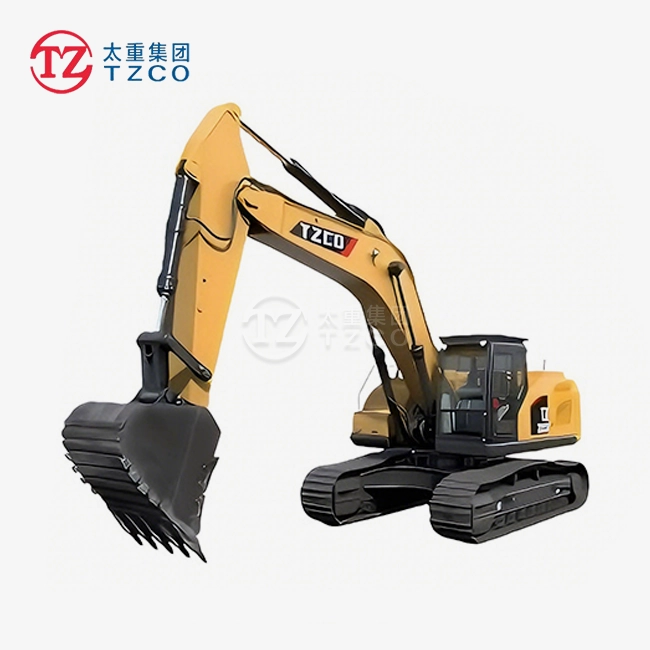
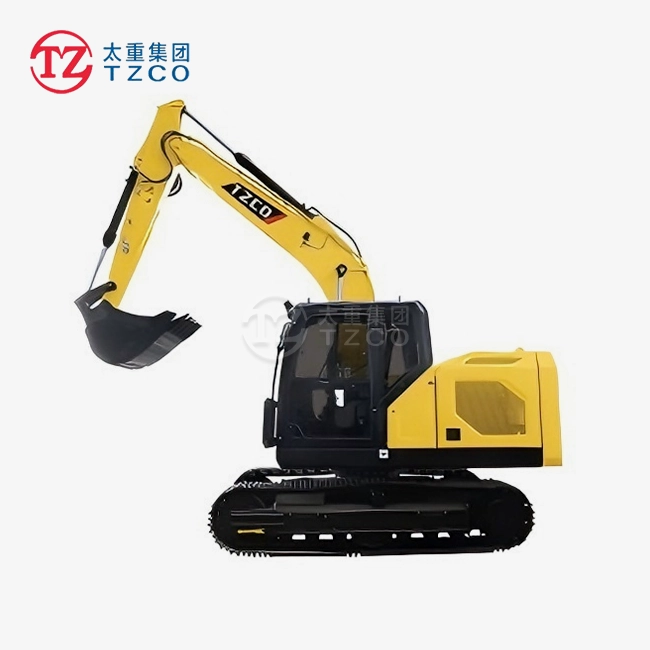
The way their powertrains are set up makes electric macro excavators very different from regular diesel-powered machines. Taiyuan Heavy Machinery Group's TZ60E-TZ350E line is an example of this technology. It has permanent magnet synchronous motors with rated power ranging from 44KW to 250KW. Traditional internal combustion engines are being replaced by these high-efficiency motors, which get their power from modern lithium-based battery systems instead of dirty fuels. With a weight range of 6,200 kg to 35,042 kg, these tools can be used for heavy-duty building and mining tasks as well as light-duty tasks. The 0.23 to 2 cubic metre bucket size makes it useful for a wide range of tasks, such as grading, installing pipelines, running a harbour and building tunnels.
The electrical design usually works on high-voltage systems that are between 600V and 1000V. This lets energy move quickly and power be delivered right away. Battery management systems keep an eye on performance measures, cell temperatures, and charge states all the time to get the most power out of the batteries and make them last as long as possible. Diesel engines need to slowly increase RPM, but electric powertrains give maximum torque right away. This means that they have better breaking force and fast cycle times, which experienced operators can see within minutes of starting to use them.
Environmental and Operational Advantages
The most obvious benefit is that there are no local releases of particulate matter, nitrogen oxides, or carbon monoxide at the job site. This feature is very important in confined spaces like tunnel building and underground mines, where diesel equipment normally needs a lot of air systems. Because there is no pollution, workers are also in better conditions, which lowers the long-term health risks that come with being around gasoline for a long time.
Besides producing fewer pollution, these machines are also much quieter than diesel peers, being about 10 to 15 decibels quieter. Because this makes the noise better, workers can work longer hours in cities and neighbourhoods where noise laws normally limit traditional equipment. It's now possible to work nights without bothering people in nearby neighbourhoods, which means that the project can be finished faster and with the same amount of work.
When compared to diesel operations, fuel costs drop by up to 60%. This is a big savings when you consider how hard heavy mining work is. The TZ60E-TZ350E line has fast-charging technology that restores full power in just two hours, so there is little break between jobs. With a constant run time of 6 to 8 hours per charge, these tools work well with normal work plans in building. Electric drivetrains don't need as much maintenance as diesel engines do because they don't need oil changes, fuel filters, air intake systems, or exhaust after-treatment parts on a regular basis.
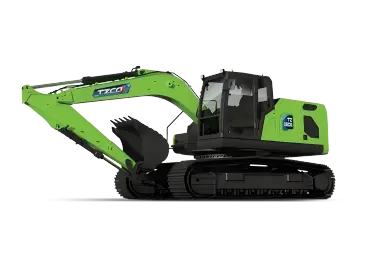
Electric Macro Excavators vs Traditional Excavators: A Comparative Analysis
Cost Structure and Total Ownership Economics
When figuring out how much electric earthmoving equipment like an engineering excavator costs, you have to think about more than just the initial buy price. The initial cost of capital for battery-electric models is usually 20 to 40 percent higher than gasoline models of the same type, but the total cost of ownership figure shows a different picture. Diesel fuel prices are unstable and can go up or down depending on global events. On the other hand, power prices are steady and easy to predict. The fuel savings alone often make up for the original price over the course of an average equipment lifespan of 8 to 10 years and 10,000 working hours.
Compared to gas-powered models, electric models have much lower maintenance costs. Traditional hydraulic excavators need regular engine maintenance, such as changing the oil and filters every 250 to 500 hours, regenerating the diesel particulate filter, and replacing wear parts like turbochargers and injection systems on a regular basis. With an electric engine, routine maintenance is limited to checking the cooling system, the hydraulic fluid, and the grease spots. According to figures from the industry, upkeep costs drop by about 50 to 60% when the system runs on electricity. This directly improves project margins and the availability of tools.
Environmental Compliance and Site Safety
More and more, carbon emissions and particle pollution are being punished by regulations in developed markets. The Stage V pollution guidelines in the European Union and related rules in California make it hard for diesel trucks to follow the rules. These worries go away completely with electric equipment, which makes sure that investments will be safe in the future and will stay legal even if rules get stricter. Contracts for public infrastructure projects are increasingly including environmental terms and carbon reduction goals. This means that zero-emission equipment is not only preferred, but it is sometimes required in order to be eligible for bidding.
The safety picture gets better in a number of ways. Lower noise levels help workers stay more aware of their surroundings, hear danger signs, and talk to people on the ground more clearly. Since there are no hot exhaust systems, there are no burn risks in small areas. Less shaking going through the operator station keeps them from getting tired during long shifts, which helps keep accidents from happening because of operator mistake or lack of awareness.
Procurement Insights: Buying and Maintaining Electric Macro Excavators
Supplier Selection and Distribution Channels
Finding reliable makers with a history of making big gear is the best way to make sure that an asset works well for a long time. Taiyuan Heavy Machinery Group was founded in 1950 as China's first company to create and build its own heavy machinery. Its electric excavators are the result of more than 70 years of technical experience. The company has shipped more than 40,000 sets of equipment to more than 70 countries, showing that it has the global reach and technical know-how that big building firms need. One National Key Laboratory and 27 innovation platforms are part of their advanced production sites. These give them the study base they need to keep making their products better.
When buying managers look at possible providers, they should make sure of a few important things. Certifications for manufacturing show that the quality system is mature. For example, TZCO's digger goods have earned them "National Manufacturing Single Champion Enterprise" title, which confirms their position as an industry leader. Distribution network breadth affects parts availability and service response times, particularly for international projects. Whether equipment is down for days or just a few hours depends on how close there are local repair centers, authorised sellers, and factory-trained techs. TZCO offers full support through a technical advice number that is open 24 hours a day, seven days a week, as well as online video guidance and quick on-site service reaction for complicated problems. This ensures that operations stay uninterrupted throughout all project stages.
Financing Structures and Warranty Considerations
Financing for construction equipment like electric macro excavators has changed over time to account for the unique features of electric machines. In the past, loans were mostly based on plans for decline and resell prices. Modern financing options increasingly take into account the lower running costs of electric equipment. They set up loan terms so that monthly payments are in line with the amount of money saved on fuel and upkeep. Some companies and banks offer special "energy-as-a-service" plans that group battery capacity and charging facilities together, which lowers the original cost of capital.
When buying something, you should carefully look over the warranty benefits. The most valuable part of an electric digger is its battery system, and how long it lasts has a direct effect on the lifecycle costs. Industrial-grade lithium iron phosphate batteries can usually handle 3,000 to 5,000 charge cycles before losing 80% of their original power. This is equal to 8 to 10 years of normal building use. Battery warranties are usually different from frame and hydraulic system warranties, so knowing the terms will keep you from having to pay extra for replacements when you don't need to. Options for longer warranties and services that check the health of your batteries protect your big purchases even more.
Maintenance Protocols and Battery Management
Planning maintenance for electric machines is different from planning maintenance for gasoline machines. Extreme temperatures can hurt both the performance and the life of a battery, so managing its temperature becomes very important. The TZ60E-TZ350E line has advanced battery management systems that warm up cells before they are used in cold conditions and actively cool them down during heavy use. However, workers must still keep an eye on the environment and change their work schedules when temperatures drop or rise. Planning is needed for charging infrastructure on the job site. Things like the amount of electricity available, where to put the charging stations, and backup power all affect how flexible the system can be used.
Fewer, more specialised systems are the focus of preventive upkeep. Hydraulic parts need to be serviced at regular times, which includes checking the fluid and the seals. Electrical lines need to be checked for rust and safe closure on a regular basis, especially in places that are dusty or wet. High-voltage safety rules mean that operators and technicians need more training than usual to work with the equipment. When working on the high-voltage system, strict lock-out/tag-out rules must be followed at all times. Even with these unique needs, the total number of repair hours needed each year is usually 30 to 40 percent less than for diesel versions.
Leading Brands and Models of Electric Macro Excavators in 2026
TZCO TZ60E-TZ350E Series Specifications
The TZ60E-TZ350E line shows that TZCO is committed to building solutions with no emissions. Models range from 6.2 tonnes, which is good for utility work, to 35 tonnes, which can do basic drilling in mining and quarrying. The range covers light to heavy-duty tasks. Motor power specs that range from 44KW at 2,000 rpm to 250KW at 1,800 rpm make sure that all of the products work well. Attachments that work with buckets that hold 0.23 to 2 cubic meters of material can be used, so workers can use their own buckets, thumbs and speciality tools.
The modern cab design with built-in touchscreens, CAN-bus control systems, and radio systems that were added at the plant makes the user more productive. This focus on the customer makes operators less tired during long shifts, which directly improves safety and efficiency. The soft-loading hydraulic system gives you more control when you're doing precise work like trenching and finishing the grade, but it still has the power you need for heavy digging and adding materials. Three separate power systems with parts from well-known industrial names provide the flexibility and dependability that mission-critical projects need.
Application Versatility Across Industries
These engineering excavator tools work great in places where gas equipment is limited or doesn't work as well. There are no exhaust fumes inside building sites, so they don't need portable air systems. Cutting down on the number of ventilation shafts needed can save a lot of money for underground mining operations. One of the biggest energy costs in deep mining is cleaning diesel particulate matter. The low noise profile is used by urban rebuilding projects to keep good relationships with the community and get permission to operate for longer hours.
To meet environmental goals and lower pollution in marine areas that are already fragile, the harbour and port transportation industry is using more and more electric equipment. Modern electric excavators are powerful, accurate, and good for the environment. They are useful for building railway tunnels, installing pipelines, and agriculture projects that save water. Being able to work in areas with strict pollution limits puts companies in a position to get jobs that don't allow diesel equipment at all, giving them access to market chances that rivals with only standard trucks can't get.
Future Trends and Strategic Implications of Electric Macro Excavators
Regulatory Momentum and Market Acceleration
Environmental rules are getting stricter in all big building markets. The Advanced Clean Fleets rule in California requires certain fleets to buy zero-emission vehicles. Similar rules are starting to appear in northeastern states. Low Emission Zones are enforced in European cities, which means that gas building equipment can't be used on city projects. These changes in regulations put companies who use diesel engines at risk of not meeting the rules and give early adopters of electric tools a competitive edge. Companies that plan ahead for these changes instead of reacting to them are more likely to get contracts from both the public and private sectors that include sustainability standards.
The United States' federal infrastructure spending, such as the Infrastructure Investment and Jobs Act, give priority to projects that show they care about the environment. Contractors who offer zero-emission tools are often rewarded with grants and higher scores in competitive bids. This system of financial incentives shortens the time it takes for investments in electric machinery to pay for themselves, which makes the business case strong even for buying managers who are focused on costs. Companies that are making electric tools can now get ahead of their competitors in the market and win high-value projects where green qualities are used to choose contractors.
Technology Evolution and Smart Integration
Battery technology is changing quickly. Each year, the energy density improves by 5 to 8%, which makes the batteries lighter and longer-lasting. When solid-state batteries hit the market within the next ten years, they will likely offer even better performance, and they might even be able to get rid of range restrictions for building uses completely. Charging infrastructure is growing at the same rate that electric vehicles are. For example, you can find more and more high-power CCS (Combined Charging System) points at building supply yards and places where you rent tools. Opportunity charging during shift changes and lunch breaks becomes a normal part of the project's process instead of something that can't be done because of practical limits.
Real-time monitoring and predicted repair made possible by the Internet of Things change how technology is managed. Modern electric tractors send performance data all the time. This lets fleet managers make the best use of their equipment, plan repair before it breaks down, and look at how operators act to make training programs better. This connection makes equipment-as-a-service business models possible, in which makers keep control and ensure access. This shifts financial risk while still ensuring the best performance of the equipment. These kinds of deals are especially helpful for workers working on short-term jobs or testing out electric technology without committing all of their own money.
Conclusion
Moving earthmoving equipment like electric macro excavators from diesel-powered to electric-powered is more than just a step forward in technology; it also changes the way building and mining businesses work economically and environmentally. Electric macro tractors in the TZ60E-TZ350E line offer direct practical benefits like less noise, zero pollution, and lower running costs. They also offer strategy benefits in terms of meeting regulations and placing themselves in the market. As battery technology keeps getting better and charging stations are built in more places, the performance gap between electric and gasoline equipment goes away. At the same time, the environmental and economic benefits get bigger. When purchasing heavy machinery today, procurement managers need to think about not only the needs of current projects but also the rules and competition that will shape the next ten years of building work.
FAQ
How long does it take to charge, and does it get in the way of work?
The TZ60E-TZ350E line uses fast-charging technology, which takes about two hours to fully restore the battery. This schedule works well with lunch breaks, shift changes, or overnight charges for businesses with only one shift. Contractors who are working on jobs with multiple shifts can use battery-swapping systems or keep up with multiple tools to make sure they can keep digging. Opportunity charging during short breaks in work also increases the amount of time that can be used without having to charge formally.
How much will it cost to maintain these machines compared to gasoline ones?
Over the course of their useful life, electric excavators save 50 to 60% on repair costs. Most of the money saved comes from not having to change the engine oil, maintain the fuel system, repair the air filters, and service the exhaust after-treatment system. The main maintenance tasks are checking the hydraulic systems, greasing the structure, and checking the electrical connections. These tasks are done less often and with less work than diesel engine needs. Monitoring is about all that needs to be done with battery systems; current battery management systems do the optimisation for you.
When the weather is really bad, do these tools still work well?
When properly set up, electric tractors work well in a wide range of temperatures. Integrated battery temperature management systems pre-heat cells before operation, which improves performance in cold weather. This is different from diesel engines, which have trouble starting when it's cold outside. When operating in hot weather, it's important to keep the battery cool, but smart temperature management keeps performance high during long work cycles. During the buying process, contractors should talk to makers about specific climate conditions to make sure they get the right system specs. This is especially important for projects in harsh locations like cold building or mining operations in the desert.
Partner with TZCO for Your Zero-Emission Excavation Needs
By switching to environmentally friendly heavy machinery, your company can meet regulations, cut costs, and stand out in a market that is becoming more concerned with the environment. TZCO's electric macro excavators give your projects the performance they need without the pollution that traditional equipment causes. Our research team is ready to talk to you about your unique application needs, site conditions, and project timelines in order to suggest the best TZ60E–TZ350E equipment setups. As a top electric macro excavator maker with over 70 years of experience in heavy machinery, we offer more than just equipment. Throughout the life of your equipment, we provide full support, including training for operators, plans for upkeep, and technical advice. You can email our team at tzcoglobal@tz.com.cn to set up a trial, talk about your funding options, or get full technical specs that are specific to your needs.
References
International Energy Agency (2023). "Global EV Outlook 2023: Electric Construction Equipment Market Analysis." IEA Publications, Paris.
Construction Equipment Magazine (2024). "Total Cost of Ownership Analysis: Electric vs Diesel Heavy Machinery." Cygnus Business Media, Milwaukee.
Society of Automotive Engineers (2023). "Battery Management Systems for Heavy-Duty Electric Vehicles: Technical Standards and Best Practices." SAE International, Warrendale.
Environmental Protection Agency (2024). "Advanced Clean Fleets Regulation: Compliance Guide for Construction Equipment." EPA Office of Transportation and Air Quality, Washington DC.
Journal of Construction Engineering and Management (2023). "Operational Performance and Economic Viability of Electric Excavators in Large-Scale Infrastructure Projects." American Society of Civil Engineers, Reston.
Mining Technology Review (2024). "Ventilation Cost Reduction Through Electric Equipment Adoption in Underground Mining Operations." Progressive Media Group, London.