- English
- French
- German
- Portuguese
- Spanish
- Russian
- Japanese
- Korean
- Arabic
- Greek
- German
- Turkish
- Italian
- Danish
- Romanian
- Indonesian
- Czech
- Afrikaans
- Swedish
- Polish
- Basque
- Catalan
- Esperanto
- Hindi
- Lao
- Albanian
- Amharic
- Armenian
- Azerbaijani
- Belarusian
- Bengali
- Bosnian
- Bulgarian
- Cebuano
- Chichewa
- Corsican
- Croatian
- Dutch
- Estonian
- Filipino
- Finnish
- Frisian
- Galician
- Georgian
- Gujarati
- Haitian
- Hausa
- Hawaiian
- Hebrew
- Hmong
- Hungarian
- Icelandic
- Igbo
- Javanese
- Kannada
- Kazakh
- Khmer
- Kurdish
- Kyrgyz
- Latin
- Latvian
- Lithuanian
- Luxembou..
- Macedonian
- Malagasy
- Malay
- Malayalam
- Maltese
- Maori
- Marathi
- Mongolian
- Burmese
- Nepali
- Norwegian
- Pashto
- Persian
- Punjabi
- Serbian
- Sesotho
- Sinhala
- Slovak
- Slovenian
- Somali
- Samoan
- Scots Gaelic
- Shona
- Sindhi
- Sundanese
- Swahili
- Tajik
- Tamil
- Telugu
- Thai
- Ukrainian
- Urdu
- Uzbek
- Vietnamese
- Welsh
- Xhosa
- Yiddish
- Yoruba
- Zulu
Crawler Cranes vs Mobile Cranes: Which Is Right for Your Project?
The path of your heavy lifting job can depend on whether you choose a crawler crane or a mobile crane. When looking for heavy-duty lifting options, the 150t crawler crane stands out as a smart choice for projects that last a long time and are done in rough terrain. Tracked undercarriages provide the best ground pressure distribution, which makes crawler models perfect for working in wet dirt for things like building pipelines and bridge supports. On the other hand, mobile cranes offer speed and highway movement, making them ideal for building infrastructure in cities and installing things quickly. Before you spend money on tools, you need to make sure that it fits your working needs, the limitations of the place, and your long-term cost structure.
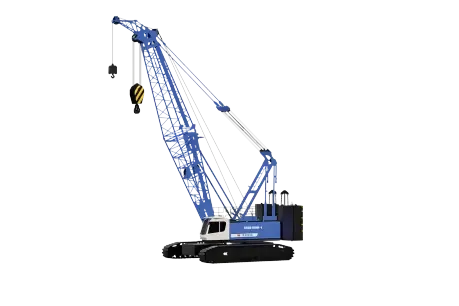
Introduction to Crawler Cranes and Mobile Cranes
Understanding Crawler Crane Design and Capabilities
Crawler cranes move along steel tracks that spread the weight of the machine out over a large area. This style lowers the ground bearing pressure by a large amount, sometimes to as low as 0.107 MPa in types like the TZGC150H-1. This low ground pressure makes it possible to work on rough areas like the edges of marshes, mine sites, and boat decks. The lattice boom frame, which on a standard 150-ton class machine can stretch from 16 to 76 meters, offers better lift height and radius than flexible hydraulic booms. Pick-and-carry operations are possible with the tracked frame, which means that loads can stay in place while moving across the job site. This is a huge benefit for tasks that need to be done in a certain order, like installing wind farms or turning around refineries.
Mobile Crane Characteristics and Operational Strengths
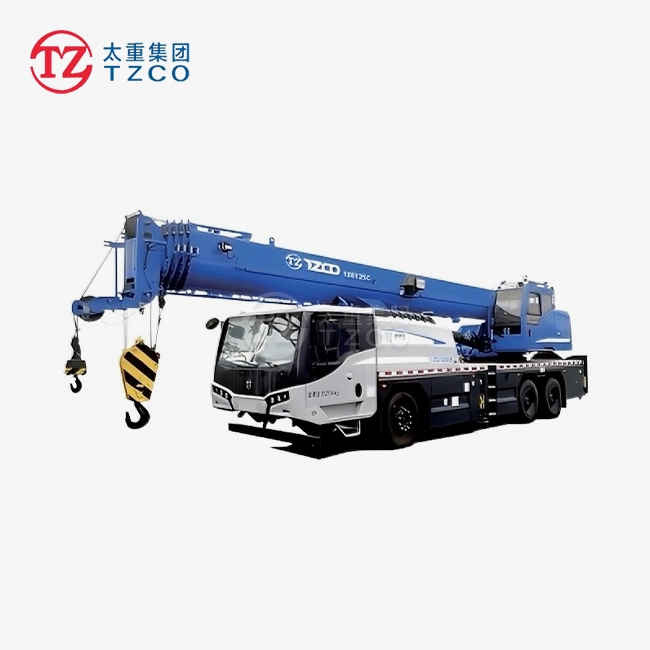
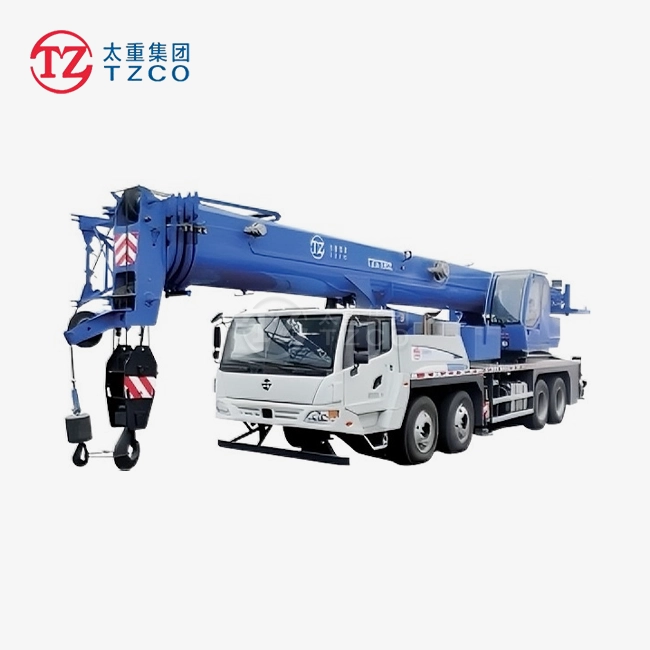
Mobile cranes, whether they are all-terrain or rough-terrain, are stable because they are mounted on wheeled chassis with hydraulic outriggers. These tools can move quickly between multiple places in the same day, travelling at fast speeds. Their hydraulic flexible arms can be extended and retracted quickly, making setup and takedown easy. Urban builders like mobile cranes because they are easy to move around in crowded areas and can meet road transport rules without having to be taken apart in large pieces.
Why Equipment Selection Directly Impacts Project ROI?
Buying something affects not only the initial cost of buying it, but also the total cost of running it, which includes things like fuel use, transportation, setup time, and crew needs. If you choose crawler equipment for places with soft ground, you can avoid expensive ground repair works. On the other hand, using mobile cranes in small cities saves time and effort when moving crawler parts that have been taken apart. Matching the equipment's powers to the needs of the job site ensures safety, cuts down on downtime, and boosts handling efficiency, all of which have a direct effect on project timelines and profits.
Key Performance Dimensions: 150t Crawler Crane vs Mobile Cranes
Lifting Capacity and Load Moment Analysis
Even though both crawler crane and mobile cranes can lift up to 150 tonnes, they act very differently in real life. The TZGC150H-1 has a maximum pulling moment of 840 t·m, which lets it lift big things at large angles. Most of the time, mobile cranes can only reach similar capacities when their outriggers are fully extended and they are on flat, firm ground. Mobile cranes rely on four separate outrigger points to keep their lifting stable on uneven ground, but crawler cranes' full track area works as the support base. This built-in steadiness is very important when moving uneven loads or working on hills with allowed gradients.
Terrain Adaptability and Ground Pressure Considerations
Where tools can be used safely is based on the ground holding pressure. Outriggers on mobile cranes apply pressure to specific areas. On soft soils, steel mats or specially designed pads are often needed to keep the cranes from sinking. Crawler types spread the weight of the machine out over tracks that are several square meters in size, which greatly reduces point loads. With its basic boom setup, the TZGC150H-1 keeps the ground pressure at 0.107 MPa, which lets it work on areas that would cave in under wheeled crane outriggers. This feature is very helpful for mine areas, old industry zones, and seaside building projects.
Mobility, Transport Logistics, and Operational Costs
Mobile cranes can go from job site to job site on their own at speeds of up to 80 km/h and don't need much extra equipment. Crawler cranes need to be taken apart into movable parts like tracks, counterweights and boom sections. This requires more than one flatbed trailer and assembly teams who can work on-site. There are big differences in how fuel is used: mobile cranes use most of their fuel while moving, while crawler machines use power all the time while crawling. The length of the project affects which plan is the most cost-effective. When working on multiple sites for a short time, mobile cranes are better, but when working on a single site for a long time, crawlers are better, even though they cost more to move.
The operating flexibility of moving equipment is clear when you look at how it can be put together on its own. Modern crawler cranes, like the TZGC150H-1, use hydraulic systems to move their own track frames and counterweights into place. This means they don't need as many helper cranes to set up. This feature speeds up site planning and lowers the cost of renting extra equipment. It's especially helpful on distant sites where help cranes aren't easily accessible.
Maintenance, Safety, and Operational Guidelines for 150t Crawler Cranes
Routine Inspection Protocols for Maximum Uptime
Systematic check schedules are needed to keep performance at its best. Every day before the operation, the hydraulic fluid levels, track tension, state of the wire ropes, and functioning of the load moment indicators are all checked. Track pin and bushing wear should be checked every week, because too much wear can cause the track to become misaligned or stall under load. As part of the monthly maintenance, the slewing ring is oiled, the boom chord weld is checked, and the engine is given diagnostic tests. Documenting all upkeep tasks proves agreement with ISO 4301 and ANSI B30.5 standards, which is important for insurance claims and government inspections.
Safety Protocols and Risk Mitigation Strategies
Following safety rules very carefully is necessary when using a 150t crawler crane. Overload situations can be avoided by checking the load chart before every lift. When boom lengths go over 50 meters, it's important to keep an eye on the wind speed; operations are usually limited above 9.8 m/s wind speed. Ground-level workers must keep avoidance zones under hanging loads clear. These zones must be enforced with barrier systems and loud warning devices. Multiple alternative safety systems are built into the TZGC150H-1, such as overload shutdown devices and emergency lowering settings. This gives the user peace of mind during difficult lifts. Third-party checks of tools and regular updates of operator certifications help to support a mindset of safety.
Operational Optimization Techniques for Extended Reach Applications
To get the largest pulling range while still keeping safety gaps, you need to understand the details of the load chart. Using luffing jib extensions increases the horizontal reach without making the boom longer, which is helpful when there are things in the way of the boom's vertical movement. Changing the design of the counterweights changes the stable factors. Adding extra counterweights makes it possible to lift bigger loads beginning at certain angles. Setting up specialised hardstands stops changes in soil pressure that could threaten support during long-term projects. Lift managers, structural engineers, and equipment workers work together to make sure that each lift process takes into account dynamic factors like load swing, wind effects, and the placement of machinery.
Procurement Considerations: Buying, Leasing, or Renting a 150t Crawler Crane
Evaluating New versus Used Equipment Acquisition
When you buy new equipment like the TZGC150H-1, you get the newest technology, full manufacturer warranties, and compliance with current emissions standards like Tier 4 Final or EU Stage V. The TZGC150H-1 has Cummins L9-C325-EU5 engines that can be added for markets with strict environmental regulations. Used equipment costs less up front, but it needs to be carefully checked for damage, including trying structure welds without damaging them, checking the pressure in the hydraulic system, and measuring chassis parts. Calculations of remaining service life must take into account the cost of replacing parts and the fallout of new technologies. For contractors with a steady stream of long-term projects, buying new equipment is usually a good idea. However, for one-off projects that are very specific, buying quality used equipment from a reliable dealer may be a better option.
Financial Models: Leasing, Renting, and Direct Purchase
Rental agreements give you the most freedom, which makes them perfect for projects with set deadlines and occasional tool needs. Maintenance is covered by daily or monthly rental rates, but costs add up quickly for longer periods of time. Operating or capital leases are types of leasing that combine low monthly payments with the chance to own the vehicle in the future. Direct buy requires a large amount of money up front, but it gets rid of ongoing rental costs and gives you full power over the asset. When doing a financial study, it's important to include the potential cost of capital, depreciation, and the total cost of ownership over the expected number of hours of use.
Selecting Reliable Manufacturers and Service Networks
When buying equipment, people don't just look at the specs; they also look at the image of the maker and the system for extra support. TZCO was founded in 1950 and was China's first company to make large machinery. They bring more than 70 years of building experience to the TZGC150H-1 technology. TZCO has built and shipped more than 40,000 pieces of equipment to projects in more than 70 countries. They also have large service networks that make sure parts are always available and expert help is always available. Competing makers like Liebherr, Caterpillar, and Komatsu offer similar specs but have different price systems, parts logistics, and support skills in different regions. The procurement team should check the qualifications of authorised dealers, read through the guarantee terms carefully, and see how long it takes for field service operations to be completed.
Comparative Case Studies: When to Choose Crawler Cranes Over Mobile Cranes
Heavy Lifting Scenarios Favoring Crawler Equipment
Maintenance shutdowns at refineries are a great example of the benefits of a crawler crane. During a recent shutdown at a petroleum plant on the Gulf Coast, workers had to replace 140-ton distillation columns in places that were already very crowded. The site's old asphalt surface, which had been damaged by hydrocarbons for decades, couldn't hold outrigger loads. A 150-ton class crawler crane drove right on top of the damaged pavement. Its wide tracks spread the weight out enough to keep the surface from breaking. Because the column could be suspended and moved 50 meters to the installation site by passing between pipe racks and existing structures, a makeshift road had to be built, which would have slowed down the key path by two weeks.
Onshore wind energy projects are another great use for wind energy. To change the nacelle of a 2.5 MW turbine, 90-ton parts have to be lifted to hub heights that are close to 80 meters. Mobile cranes need a lot of site preparation, like dirt pads that are packed down and support mats, and the gear has to be completely taken down between turbines. With 70-meter booms, crawler cranes can move between towers on existing service roads. This cuts the time it takes to set up each turbine from eight hours to less than two hours. This efficiency gain cuts the time it takes to maintain 20 turbines by almost three weeks, which saves a lot of money on crew costs and wind farm downtime.
Conditions Where Mobile Cranes Excel
Fixing up urban bridges in well-known cities shows off the best of mobile cranes. In order to fix highway overpasses, lanes often have to be closed at night, with workers coming, finishing, and leaving within six-hour windows. Mobile cranes go straight from storage yards to job sites, set up their outriggers, do the lifting, and then go back before the morning rush hour. Because it's not possible to move and set up crawling equipment in such short amounts of time, mobile cranes are the only choice that makes sense. Because they can be moved quickly, their hourly rates seem high compared to crawler rentals, but they're actually very low when you look at the total time it takes to finish a job.
Hybrid Deployment Strategies and Emerging Technologies
Progressive companies are using tandem lifting setups more and more, which pair crawler cranes with mobile units to do heavy lifting that is more complicated. New developments in load-sharing control systems make it possible for synchronised dual-crane lifts, which evenly distribute forces between machines. These mixed methods use the security of crawlers to support the main load, and mobile cranes to precisely position and align the load. When sensors and real-time load tracking systems are combined, they work better together and lower the risk of these complex processes. These technological advances blur the lines between traditional types of equipment, which encourages buying strategies that keep their fleets with a variety of types of equipment that can meet the needs of different projects.
Conclusion
Whether to use a crawler crane or a movable crane depends on the specifics of the project, such as the site conditions, length of time, lifting profiles, and organisational issues. The 150t crawler crane is great for situations where it needs to work for a long time on rough ground and have a long reach and pick-and-carry capabilities. Mobile cranes meet the needs for quick deployment, movement between sites, and easy entry in cities. Smart purchasing choices weigh the prices of purchases against how well they work, knowing that the choice of tools has a direct effect on how safely the project is completed, how on time it is completed, and how much money it makes in the end.
FAQ
What factors have the biggest impact on the 150t crawler crane's lifting capacity?
Lifting power changes based on the length of the boom, the load radius, and the arrangement of the counterweights. The TZGC150H-1 can lift up to 150 tonnes at its smallest radius and with its basic boom. According to the manufacturer's load chart, capacity goes down as radius goes up or boom extends to 76 meters. Safe working loads are also affected by the ground. For example, when working on soft earth, the capacity may need to be lowered to keep the stable gaps. When wind loads are put on hanging goods, the actual capacity goes down even more, especially when the loads have a lot of surface area.
How are the upkeep needs for crawler cranes and mobile cranes different?
Crawler cranes need a lot of upkeep on their track systems. For example, the tension needs to be adjusted regularly, the rollers and idlers need to be oiled, and pin-bushing wear needs to be watched closely. Because they move around on the road, mobile cranes need to have their tires checked, their outrigger hydraulic systems serviced, and their brakes checked often. Because they are made of lattices, crawler boom structures need to have their bolt strength and weld checks done on a regular basis. Most of the time, crawler equipment needs 15-20% more upkeep hours overall. However, newer designs with centralised lubricating systems close this gap.
When it comes to a 150-ton crawler crane, is it cheaper to rent or buy?
The best financial plan is based on how long the project will take. Rental is cheaper for jobs that last less than six months because you don't have to commit to cash and rental companies take care of upkeep. When use goes over 1,200 hours a year over several years, the purchase becomes beneficial. The leftover asset worth, tax retirement benefits, and opportunity cost of capital must all be taken into account in a break-even study. Contractors who have a steady flow of projects usually find that owning is more cost-effective than renting, while contractors who only need big equipment sometimes benefit from renting.
Partner with TZCO for Your Heavy Lifting Equipment Needs
To find the best 150t crawler crane source, you need to look at more than just the equipment specs. You also need to see what kind of help the seller can offer throughout the asset's lifecycle. In 1950, TZCO was China's first freely developed heavy machinery company. The company now has cutting-edge production facilities that have been recognised at the national level as examples of clever manufacturing. With a 16–76-meter boom range and an 840 t·m lifting moment, our TZGC150H-1 has been tested and proven to work. It is also backed by a global service system that spans over 70 countries. Whether you're looking to place wind turbines, expand an industrial plant, or work on a big building project, our engineering team can help you come up with ideas that are perfect for your needs. You can email us at tzcoglobal@tz.com.cn to talk about the details of your project, get full technical paperwork, and get custom quotes that include low maker prices. We're ready to help you with your buying process by communicating clearly, giving you a range of finance options, and providing the reliable after-sales service that large industrial projects need.
References
American Society of Mechanical Engineers (2023). ASME B30.5: Mobile and Locomotive Cranes Safety Standard, New York: ASME Press.
Crane Institute of America (2022). Crawler Crane Operations: Technical Manual for Heavy-Lift Applications, Clermont, Florida: Crane Institute Certification.
European Committee for Standardization (2021). EN 13000: Cranes – Mobile Cranes Standard, Brussels: CEN Publications.
International Organization for Standardization (2020). ISO 4301: Cranes – Classification, Geneva: ISO Standards Catalogue.
National Commission for the Certification of Crane Operators (2023). Practical Examiner Guide: Lattice Boom Crawler Cranes, Fairfax, Virginia: NCCCO Publications.
Peurifoy, R.L., Schexnayder, C.J., and Shapira, A. (2021). Construction Planning, Equipment, and Methods, Ninth Edition, New York: McGraw-Hill Education.