- English
- French
- German
- Portuguese
- Spanish
- Russian
- Japanese
- Korean
- Arabic
- Greek
- German
- Turkish
- Italian
- Danish
- Romanian
- Indonesian
- Czech
- Afrikaans
- Swedish
- Polish
- Basque
- Catalan
- Esperanto
- Hindi
- Lao
- Albanian
- Amharic
- Armenian
- Azerbaijani
- Belarusian
- Bengali
- Bosnian
- Bulgarian
- Cebuano
- Chichewa
- Corsican
- Croatian
- Dutch
- Estonian
- Filipino
- Finnish
- Frisian
- Galician
- Georgian
- Gujarati
- Haitian
- Hausa
- Hawaiian
- Hebrew
- Hmong
- Hungarian
- Icelandic
- Igbo
- Javanese
- Kannada
- Kazakh
- Khmer
- Kurdish
- Kyrgyz
- Latin
- Latvian
- Lithuanian
- Luxembou..
- Macedonian
- Malagasy
- Malay
- Malayalam
- Maltese
- Maori
- Marathi
- Mongolian
- Burmese
- Nepali
- Norwegian
- Pashto
- Persian
- Punjabi
- Serbian
- Sesotho
- Sinhala
- Slovak
- Slovenian
- Somali
- Samoan
- Scots Gaelic
- Shona
- Sindhi
- Sundanese
- Swahili
- Tajik
- Tamil
- Telugu
- Thai
- Ukrainian
- Urdu
- Uzbek
- Vietnamese
- Welsh
- Xhosa
- Yiddish
- Yoruba
- Zulu
Fuel Hydraulic Excavator Maintenance: Tips to Minimize Wear and Tear
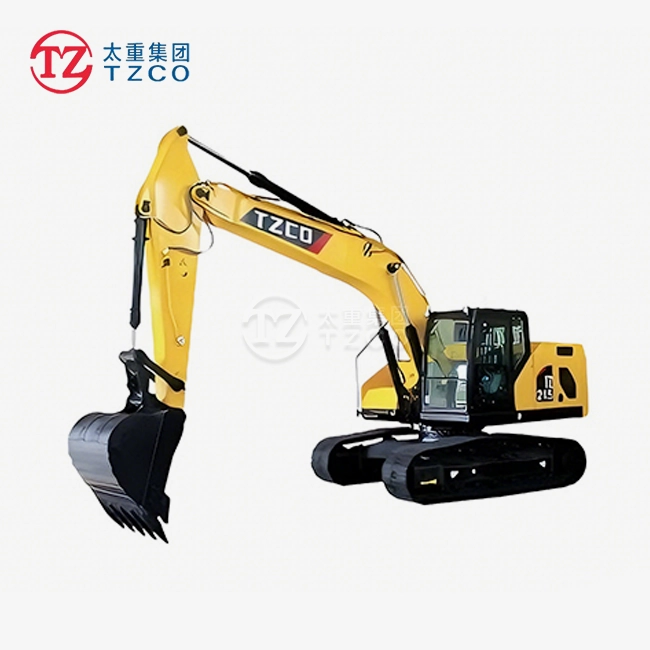
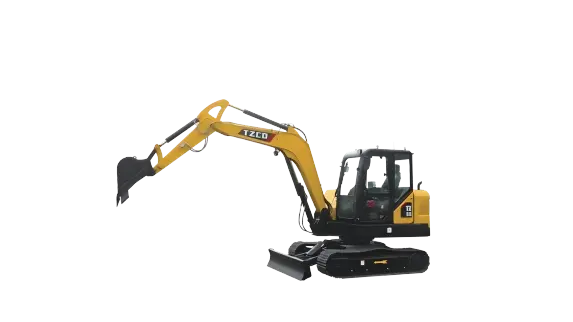
6t fuel hydraulic excavators, especially those in the 6t class, need to be properly maintained so that they work at full capacity, projects are finished on time, and the business makes money overall. These medium-sized excavators are good for workers in the mining, building, and construction industries because they are both powerful and easy to move. Knowing how to keep wear to a minimum saves capital investments and makes tools last longer. This guide talks about maintenance tips for people who work with excavators like the TZ60EXD, which has a Yanmar 4TNV94L engine that produces 36.3 kW at 2100 rpm and hydraulic systems that can flow up to 144 L/min of oil. With planned care, you can keep up performance and cut down on unplanned breaks.
Understanding Common Wear and Tear Issues in Fuel Hydraulic Excavators
Components on hydraulic tractors that work in harsh settings wear out faster. By spotting early warning signs, you can stop major fails that stop activities.
Hydraulic System Degradation and Fluid Contamination
Your excavator's movements, like extending the boom and turning the bucket, are all powered by hydraulic fluid. Ingress of dirt, buildup of wetness, or heat breakdown can change the viscosity of a fluid and speed up wear. When used in mining, excavators often get contaminated more quickly because flying particles get through seals during constant boom cycles. The TZ60EXD works at 24.8 MPa in the implement circuit, which is a high pressure. Even small amounts of contamination make sharp particles that damage pump parts and score the walls of the cylinder. Studies show that if you don't fix tainted hydraulic fluid, it can lower the system's efficiency by up to 20% in the first 500 hours of use. Regular oil analysis shows how contaminated the oil is before it starts to lose function. This lets you change the fluid before it starts to leak, which protects the pump and motor.
Seal Wear and Hydraulic Leakage Patterns
One of the most common upkeep problems with fuel loaders is that the seals wear out. Changing temperatures, high pressures during heavy digging, and being exposed to contaminants in the environment are all things that can damage cover materials. When seals fail, you can see hydraulic fluid leaking from the cylinder rods, the digging force drops, or the boom moves slowly. The TZ60EXD's 42 kN bucket digging force and 35 kN arm digging force depend on the hydraulic pressure staying stable. A mine contractor in Montana reported a 15% drop in output over three months because seals kept failing on different cylinders. At first, the operator thought that the small amount of seepage was just standard wear and tear. But as the fluid loss got worse, six hydraulic seals had to be replaced quickly, which caused four days of unexpected downtime during peak project delivery.
Engine Strain from Fuel System Degradation
Diesel engines that power hydraulic pumps are put under a lot of stress. The TZ60EXD's Yanmar 4TNV94L engine makes steady power thanks to its 3.054L size, but the performance is directly affected by the quality of the fuel and how well it is filtered. Water in fuel tanks, biofuel breaking down, and particle pollution all block injectors, which makes burning less efficient. Operators say that signs include starting problems, using more fuel, and less hydraulic action. Because of how fuel is stored, fuel filters on excavators that work in remote mining sites often need to be changed more often. One infrastructure contractor with a mixed fleet found that excavators with well-maintained fuel systems used an average of 4.8 litres of fuel per hour, while units that weren't taken care of used 6.2 litres of fuel per hour for the same amount of work. This is a 29% loss in efficiency that adds up over thousands of hours of use.
Essential Maintenance Practices to Prolong Excavator Lifespan
Systematic maintenance routines keep small problems from getting worse and needing expensive fixes. These rules make sure that daily checks by operators are balanced with planned technology interventions.
Daily Inspection Protocols for Critical Systems
By doing a regular eye check at the start of each shift on a small fuel hydraulic excavator, problems can be found before they become too big to fix. Check for hydraulic fluid leaks under the cylinders, loose track tension and broken lines as you walk around your digger. Once the machine is cold and level, check the engine oil level. The tester should show a reading within the safe range. Check the air filter limit signs on engines like the Yanmar 4TNV94L, which has a two-stage filtration system with a fine filter element and a rotating pre-filter. If the filters show that they are getting clogged, you should clean or change them to keep the burning air source working right.
Check the fluid level in the hydraulic tank through the sight glass and look for discolouration or foaming that could mean pollution or air entry. Before you start working, make sure all of the controls work properly and record any slow responses or strange noises from hydraulic pumps that are working at their highest flow rate of 144 L/min. At high-stress connection points, grease all of the pivot points on the boom, arm, and bucket coupling. This stops metal from rubbing against metal. Write down these daily checks in the operator's logs to create a repair history that will be useful when the equipment is sold or when a warranty claim is made.
Scheduled Component Service and Replacement Intervals
Manufacturers set service intervals based on both working hours and date time. The service interval that comes first is used. Under standard conditions, the TZ60EXD needs to have its hydraulic fluid changed every 2,000 hours. If the equipment is used less often, it only needs to be changed once a year. For the best pump performance and seal fit, only use hydraulic fluid that meets the ISO viscosity grade standards. Fluid that is contaminated speeds up the wear on the variable displacement pump in the custom hydraulic system. This pump automatically adjusts flow to load needs.
Diesel engines that work in dusty building sites usually need to have their oil changed every 500 hours. For longer component life, the Yanmar engine uses high-quality oil that meets API standards. Replacing the fuel filter every 500 hours keeps the injectors from getting dirty. Air filters, on the other hand, need to be serviced when they show signs of restriction or at most 1,000-hour intervals. When you change the oil, you should also replace the hydraulic filter elements so that particles are caught before they go through the system. Adjusting the tracks should be done every 100 hours to keep the right tension on the rollers, idlers, and track links that support the 6150 kg working weight over different types of terrain.
Optimizing Fuel System Performance and Emissions Compliance
Precision timing of fuel input and full burning are how modern diesel engines meet Stage III pollution guidelines. Keeping the fuel system in good shape makes sure that regulations are followed and increases economy. Properly store fuel in tanks that are clean and dry, and fill up tractors with fuel through nozzles that filter the fuel. This will stop contamination at the source. In wet places where mist builds up in tanks, water filters in fuel systems need to be drained once a week.
Fuel injectors break up diesel into tiny particles so that it burns more efficiently, but carbon deposits from bad fuel or incomplete burning make spray patterns less clear. Power output and fuel economy are kept up by having the filter professionally cleaned or replaced at times set by the maker. The TZ60EXD's 36.3 kW of power rests on all of its cylinders getting the right amount of fuel input. Keep an eye on how much fuel is being used during normal activities to get a standard. Sudden increases in fuel use are a sign of problems that need to be looked into. Biodiesel blends need extra care because they break down faster than regular diesel and may need to have their filters changed more often to keep the 3.054L engine's injectors from getting clogged.
Maintenance Challenges and Risk Mitigation Strategies
Common maintenance mistakes that hurt the safety and dependability of equipment happen to even the most skilled workers.
Risks of Non-Certified Parts and Improper Servicing
Aftermarket parts for a 6t fuel hydraulic excavator that save you money often hurt your car's long-term dependability. Low-quality hydraulic seals don't last long when exposed to the 24.8 MPa working pressures that are common in backhoe circuits. This causes repeated breakdowns and high repair costs. Fake filters use worse media that lets bigger particles pass through, which speeds up the wear on carefully made pump and motor parts. One builder saved 40% on hydraulic filter costs by using non-certified replacements. However, the pump broke down catastrophically after 1,800 hours, which meant the whole hydraulic system had to be rebuilt, which cost 15 times the savings from the filters.
Repairs are ruined by mistakes made by unqualified service workers who haven't had the manufacturer's training. Reliability issues happen when hydraulic fluid specs are wrong, structural bolt torque values are wrong, and hydraulic circuits are not bled of air after service. Factory-trained techs know what each system needs. For example, the TZ60EXD's pilot circuit, which works at 3.5 MPa, needs different bleeding steps than higher-pressure implement circuits. Manufacturer service networks offer fixes that are backed by a guarantee and use original parts that were designed to work with that model.
Safety Hazards from Deferred Maintenance
Putting off fixes that need to be done makes the operation more dangerous. Boom pins that are worn out and have too much play make it hard to move loads, which is especially dangerous when moving things close to people. When hydraulic lines are under a lot of pressure and are getting old, they can quickly break and spray hot fluid that can burn you very badly. Weak bottom parts can break without notice, which could cause the track to derail or the rollers to separate from the frames while the machine is running.
Neglecting the brake system puts people in serious danger when they are transporting things or working on hillsides. The TZ60EXD can handle grades up to 35 degrees, which means that the trip brakes must work well to keep the vehicle from running off of hills. A regular check of the thickness of the brake pads, the state of the hydraulic brake lines and the working of the parking brake can help avoid crashes. Set up check procedures that must be followed before every shift, and give workers the power to take dangerous equipment out of service until it can be fixed by a qualified repair professional.
Implementing Systematic Risk Reduction Programs
Structured repair plans have many levels of checks that find problems as they start to happen. Make thorough inspection guides for excavator systems that cover things like hydraulic circuits, engine operation, the condition of the undercarriage, and the strength of the structure. Make sure that the boss signs off on finished repair work orders that include photos of the parts that were changed and proof that they were installed correctly. Set up regular third-party checks by manufacturer-certified techs who can give you an unbiased opinion without relying on daily workers.
Keep detailed records of all repair work, including when parts are replaced, serviced, and how many hours the machine has been used. Digital maintenance management systems let leaders know when planned maintenance is coming up and mark problems that keep happening as signs of widespread problems that need to be looked at by engineers. The collected data helps fleet managers figure out if certain types of parts fail too soon on multiple machines. If they do, they can suggest changes to the specifications or the way the machines are run that will make the parts last longer across the whole fleet.
Leveraging Authorized Support and Procurement Insights for Optimal Maintenance
Strategic relationships with companies that make tools and qualified service providers offer more benefits than just basic repair services.
Value of Manufacturer-Backed Service Networks
Technicians at authorised service places for a small fuel hydraulic excavator are taught directly by the companies that make the equipment, so fixes are sure to meet factory standards. These places keep original substitute parts that are designed to work with each model, so there are no problems with compatibility that can happen with generic parts. Protecting your investment with warranty coverage through authorised networks is important because maker warranties usually don't cover problems caused by non-certified parts or unauthorised changes. Technical support hotlines filled by plant experts help with fixing problems that are too complicated for local technicians to handle.
The TZ60EXD benefits from TZCO's extensive support network that spans more than 70 countries and is based on more than 70 years of experience making heavy machinery. This global presence makes sure that parts and expert support are always available, no matter where the project is located. This is especially helpful for foreign workers who are in charge of handling tools in more than one area. Certified service partnerships give you access to factory service notes that list known problems and suggested fixes. This keeps your equipment up to date with the newest technological advances.
Criteria for Evaluating Maintenance Service Providers
When choosing upkeep partners, you need to look at more than just fix prices. Check someone's technical skills by looking at certifications from equipment makers and industry groups that show they've completed official training. Visit service centers to look at troubleshooting tools, methods for keeping track of parts, and how the shops are set up to make sure they are running professionally. Ask for customer examples from companies that use similar excavators in similar situations, and make sure that the quality and response times are always the same.
Test the service provider's speed by asking about parts availability and schedules and keeping track of how quickly they give you correct information. Talk about how the guarantee will be managed and make sure that the service provider follows the standards for paperwork that makers accept. Geographic coverage is important for workers whose job sites are spread out. Service providers with multiple locations or mobile service options keep repair costs low by reducing the need to move equipment. Checking a business's credit to see if it is financially stable guards against service interruptions caused by a company going out of business in the middle of a contract.
Optimizing Procurement Through Strategic Supplier Relationships
When you build long-term ties with digger makers, you can get benefits that you can't get when you just buy tools. Volume buying programs offer better terms for companies who decide to use the same types of equipment across all of their teams. This lowers the cost per unit and makes it easier to keep track of parts and train technicians. TZCO offers flexible financing options to help buy tools that are in line with project cash flows. This makes growing contracting businesses more capital efficient. Certified pre-owned programs from well-known manufacturers are a cost-effective way to add to your fleet. They come with factory-backed warranties and inspection certificates that give you peace of mind about the state of the equipment.
Rental and lease programs give businesses the freedom to change the size of their equipment fleets to meet the needs of specific projects, without having to commit to long-term ownership. These deals usually include regular repair as part of the rental agreement. This means that the equipment provider is responsible for upkeep while still providing professional service. When purchasing 6t fuel hydraulic excavators, procurement managers should look at both the base equipment features and the full range of services that are available. They should do this because the total cost of ownership goes far beyond the original purchase price.
Conclusion
To keep 6t fuel hydraulic excavator in good shape, they need to be serviced regularly by qualified techs using certified parts and operators who are trained to be careful every day. Investing in proper care pays off in a way that can be measured: longer machine life, higher selling value, and less unexpected downtime that throws off project plans. Modern condition-based maintenance strategies, which are made possible by oil analysis and forecast tracking, find the best times for services and cut down on actions that aren't needed. Strategic relationships with makers like TZCO give businesses access to technical know-how, original parts, and large support networks that protect the tools they've bought for use around the world. When contractors put an emphasis on upkeep quality, their equipment works reliably and meets project promises and client standards, giving them a competitive edge.
FAQ
What is the best time to change the hydraulic oil in a 6t excavator?
If everything works as it should, you should change the hydraulic fluid every 2,000 hours, or once a year if the equipment only works a few hours a year. Heavy-duty uses, like mines, or places with high temperatures may need to be changed more often than every 1,500 hours. Always analyse the oil before removing to make sure the fluid is in good shape and to spot problems before they get worse.
What are some signs that your hydraulic system needs fixes right away?
Fluid leaks from cylinders that can be seen, less digging force than usual, slow control reaction, and strange noises from hydraulic pumps are all signs that something needs immediate attention. If you can see discoloured or foamy hydraulic fluid in the reservoir sight glass, it means that there is serious contamination that needs to be fixed right away before a catastrophic component failure happens.
Can new tools for upkeep cut down on fuel use?
Condition-based repair that improves engine performance through proper fuel flow and burning efficiency can cut fuel use by 10 to 15 percent compared to equipment that isn't well taken care of. Regular upkeep on the fuel system, air filters, and injectors keeps engines running efficiently, which is how makers make them meet current pollution standards while getting the most mileage.
Partner with TZCO for Superior Excavator Performance and Support
Established in 1950, TZCO has been making high-quality heavy machinery that is known in more than 70 countries around the world. Our company makes the TZ60EXD 6t fuel hydraulic excavator, which has a reliable Yanmar 4TNV94L engine and clever load-sensing hydraulics that instantly improve performance while lowering fuel use. The 6150 kg working weight and 42 kN bucket digging force of this digger make it suitable for a wide range of tasks, from building infrastructure in cities to mining. Contact our technical team at tzcoglobal@tz.com.cn to talk about your unique working needs and learn more about our full range of service programs, which include flexible funding, training for qualified technicians, and the sale of genuine parts backed by research from our National Key Laboratory. Visit tzcoglobal.com to see full product details and get in touch with local experts who are ready to help you get the most out of your tools.
References
International Society of Fluid Power. "Hydraulic Fluid Contamination Effects on System Component Life." Journal of Fluid Power Systems, Volume 28, 2021.
Construction Equipment Maintenance Council. "Best Practices for Heavy Equipment Preventive Maintenance Programs." Annual Technical Report, 2022.
American Society of Mechanical Engineers. "Condition-Based Maintenance Implementation in Construction Equipment Fleets." ASME Technical Paper Series, 2023.
Institute of Diesel Engine Technology. "Fuel System Maintenance and Performance Optimization for Construction Equipment." Technical Bulletin 447, 2022.
National Association of Equipment Distributors. "Total Cost of Ownership Analysis for Mid-Size Hydraulic Excavators." Industry White Paper, 2023.
Society of Automotive Engineers. "Predictive Maintenance Technologies for Hydraulic Systems in Mobile Equipment." SAE International Journal of Commercial Vehicles, Volume 16, 2023.