- English
- French
- German
- Portuguese
- Spanish
- Russian
- Japanese
- Korean
- Arabic
- Greek
- German
- Turkish
- Italian
- Danish
- Romanian
- Indonesian
- Czech
- Afrikaans
- Swedish
- Polish
- Basque
- Catalan
- Esperanto
- Hindi
- Lao
- Albanian
- Amharic
- Armenian
- Azerbaijani
- Belarusian
- Bengali
- Bosnian
- Bulgarian
- Cebuano
- Chichewa
- Corsican
- Croatian
- Dutch
- Estonian
- Filipino
- Finnish
- Frisian
- Galician
- Georgian
- Gujarati
- Haitian
- Hausa
- Hawaiian
- Hebrew
- Hmong
- Hungarian
- Icelandic
- Igbo
- Javanese
- Kannada
- Kazakh
- Khmer
- Kurdish
- Kyrgyz
- Latin
- Latvian
- Lithuanian
- Luxembou..
- Macedonian
- Malagasy
- Malay
- Malayalam
- Maltese
- Maori
- Marathi
- Mongolian
- Burmese
- Nepali
- Norwegian
- Pashto
- Persian
- Punjabi
- Serbian
- Sesotho
- Sinhala
- Slovak
- Slovenian
- Somali
- Samoan
- Scots Gaelic
- Shona
- Sindhi
- Sundanese
- Swahili
- Tajik
- Tamil
- Telugu
- Thai
- Ukrainian
- Urdu
- Uzbek
- Vietnamese
- Welsh
- Xhosa
- Yiddish
- Yoruba
- Zulu
Mastering Scissor Lift Safety: 5 Tips for Contractors
When working at heights in mines, building, or factories, you have to know how to use a scissor lift safely. Contractors who use mobile lifting work platforms, especially types like the 8m scissor lift, face unique problems when working at mid-height, such as human mistake and problems with steadiness. These platforms are used to do work in places like power plants, steel mills, port hubs, and roads that can't have low-level entry tools or bigger boom lifts. But because they are used so often, safety rules must be strictly followed, rules must be followed, and tools must be managed proactively. This guide gives procurement managers, site engineers, and project workers five useful tips they can use right away to make sure operations run smoothly and safely while reducing downtime and risk.
Understanding the Safety Challenges of 8m Scissor Lifts
When it comes to safety, mid-height overhead work platforms are different from both small access lifts and tall boom lifts. At platform heights of up to 8 meters and working heights of up to 10 meters, these machines work in an area where safety risks are higher, especially when the ground is uneven or there is a lot of wind. Overloading, putting things in the wrong place on slopes, and forgetting to do pre-shift checks are all common mistakes that operators make that can cause equipment to fail or tip over.
Regulatory Compliance and Industry Standards
Safety rules that are followed protect both workers and project partners. OSHA rules in the US say that workers must get the right training and that tools must meet ANSI A92.20 standards for mobile lifting work platforms. These rules say what guardrails, emergency lowering systems, and platform capacity limits must have. Similar rules are set by the European EN 280 standards, which make sure that equipment goes through strict tests to make sure it is stable and has good structure. Contractors who work across borders need to make sure that their scissor lifts have the right regional certifications to stay out of trouble with the law and their insurance companies.
Impact on Procurement and Site Management
Knowing about safety issues helps you make better buying choices. When buying equipment for EPC companies, mines, and factories, it's important to look at more than just the lift's capacity and reach. They should also look at the safety features, how easy it is to maintain, and the manufacturer's support networks. Documented compliance records and full insurance coverage on scissor lifts lower long-term operating risks and help with site safety checks and regulatory inspections.
Tip 1 – Comprehensive Pre-Operational Inspections
Daily pre-operational checks are the best way to keep tools from breaking down and accidents at work from happening. Hydraulic problems, electrical problems, and structure flaws can't put workers at risk when thorough checks are done.
Critical Inspection Checkpoints
Before each shift, workers should make sure the hydraulic system works by looking for fluid leaks, broken lines, and cylinders that don't need to be adjusted. Both the ground-level and internal controls of the platform must answer correctly to directions, and the emergency stop buttons must be tried to make sure they work right away. Guardrails, gate latches, and strap anchor points are all safety features that need extra care. By making sure the lift doesn't go over its safe working load of 300 kg, you can avoid dangerous overloads that threaten its safety.
Manufacturer Guidelines and OEM Support
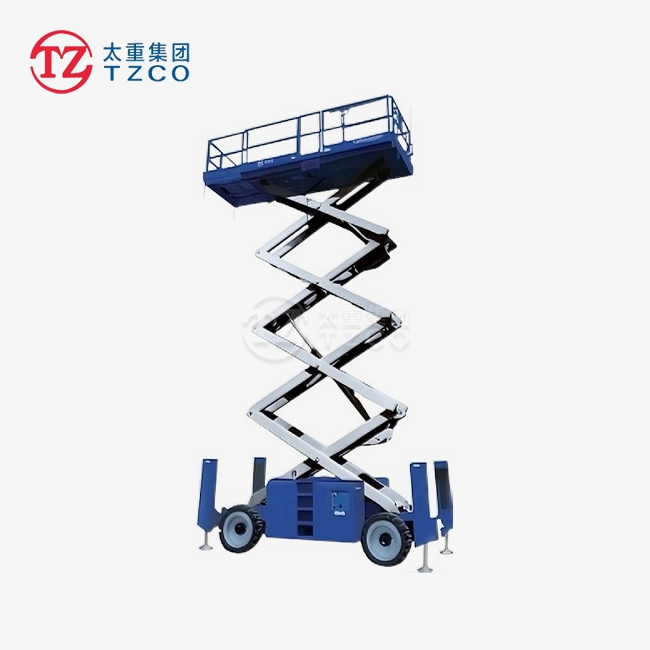
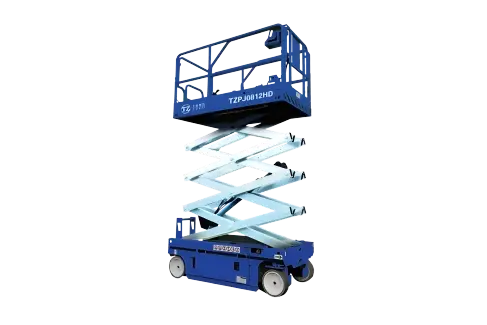
Inspections for the 8m scissor lift meet proven safety standards when they follow the steps set by reputable makers. Taiyuan Heavy Machinery Group's TZPJ0812HD model was made with more than 70 years of technical experience. It comes with thorough cleaning checks for its 24V/230Ah battery system, dual DC24V motors, and 20L hydraulic tank. Working with authorised distributors makes sure you can get original replacement parts and technical information, which protects your insurance and keeps your equipment running smoothly. When contractors write down the results of inspections, they make audit trails that meet government rules and show they did their job properly during safety reviews.
Tip 2 – Proper Training and Qualification for Operators
Safety results are directly related to how skilled the operator is. Even the most powerful overhead work platforms can be dangerous if they are used by people who haven't been trained properly.
Comprehensive Training Components
Certification standards, hands-on working practice, and emergency reaction procedures are all important parts of good training programs. Operators need to know how to distribute loads, spot outdoor dangers like power lines in the sky, and learn smooth control inputs that keep moves from happening all at once. Electric and diesel-powered types work in different ways, so training should be able to tell the difference between them. Electric scissor lifts like the TZPJ0812HD are better for indoor spaces like warehouses and factories because they are quieter and produce no pollution. However, you need to know how to handle the batteries and charge them properly.
Building a Safety-First Culture
As equipment technology changes, refresher classes keep people's skills up to date and make them more aware of safety. Setting up accounting systems where operators sign off on daily safety talks can help contractors working on long-term building projects. Manufacturers often offer training materials, such as user guides and on-site demos, to help with compliance and lower the number of accidents. Teams are more productive and less likely to make mistakes when they see safety rules as normal behaviour instead of rules that have to be followed because they're the law.
Tip 3 – Leveraging Advanced Safety Features and Technology
Modern scissor lifts use new engineering techniques that actively stop accidents from happening instead of just lessening their effects. Putting money into tools with improved safety systems pays off in the form of less downtime and lower insurance costs.
Key Safety Technologies
Active tilt sensors find platform angles that are too high for safe operation. To keep the platform from tipping over, they instantly sound an alarm or stop movement. Overload monitoring systems keep an eye on the weight of the platform in real time and let workers know when it goes over the 300 kg limit. When there is a power outage or an emergency stop, the automatic brakes lock the platform in place at its height. Better fence designs with self-closing gates keep people from falling when they enter or leave. The TZPJ0812HD has emergency descent systems that let it be lowered safely even if the hydraulics or electricity go out. This is a very important backup for power plant repair or shipyards.
Electric Versus Diesel Considerations
The choice of power source for an 8m scissor lift affects both the merging of safety features and the usefulness of the system for operation. Electric models work best in small areas where fumes could be harmful to your health, while diesel models can run for longer on rural building sites that don't have access to electricity. Electric scissor lifts usually work more smoothly and reliably because the motors are precisely controlled. This makes it easier for operators to work long shifts without getting tired. By comparing the needs of the project with the technologies that are already available for safety, buying teams can choose equipment that really improves site safety rather than just meeting the minimum requirements.
Long-Term Value Proposition
Even though improved safety measures may cost more at first, they save a lot of money over the life of the car. When there are fewer crashes, workers' compensation claims go down, machine damage goes down, and project plans stay the same. On big building projects, equipment downtime due to accidents can cost over a thousand dollars per day. This is why investing in stability is a smart financial move. Purchasing managers at steel plants and cement companies know that equipment with better safety saves both workers and the production process.
Tip 4 – Routine Maintenance and Safety Checks
Regular repair makes tools last longer and stops major problems before they happen. When scissor lifts are used in tough places like mine sites or port platforms, they need proactive service plans that address wear trends before they become unsafe.
Essential Maintenance Practices
Scheduled checks should happen at the times suggested by the maker, usually every 150 hours of use or every three months, whichever comes first. Changing the hydraulic fluid keeps the system working well and keeps it from getting dirty, which wears out valves and cylinders. For electric models, battery evaluations include checking the liquid levels, the links between the terminals, and the performance of the charge system. Finding early signs of wear, like strange noises, slow operation, or shifting pulling speeds, lets you fix the problem before a part fails. Keeping detailed service logs helps with warranty claims and shows that you're following the rules during workplace checks.
Authorized Service Provider Advantages
When you work with qualified service networks, you can be sure that the repair will use OEM-approved extra parts and real tools. The TZPJ0812HD's 2,320 kg weight and strong construction mean that its parts must be precisely designed; using aftermarket parts could void guarantees and weaken the structure. Authorised experts get ongoing training on how to use new tools, which lets them figure out problems that regular workers might miss. This knowledge is especially helpful for workers who are in charge of trucks that are used on multiple project sites. When repair schedules are organised, they help keep operations running smoothly.
When you take care of your 8m scissor lift properly, it lasts longer and is more useful for longer, which increases your return on investment. Standardised repair procedures help contractors accurately bid on projects and assign resources because they make running costs and availability predictable. These methods work well with the needs of EPC companies who provide full solutions, where the dependability of the equipment has a direct effect on how happy the client is and how often the contract is renewed.
Tip 5 – Selecting the Right 8m Scissor Lift for Your Project
To pick the right overhead work platforms, you need to compare the specifics of the job with the skills of the tools. When choices don't match, it wastes time, puts safety at risk, and costs go up.
Project-Specific Evaluation Criteria
Baseline compatibility is based on the required working height. The TZPJ0812HD's 10-meter working height is good for most MEP setups, building upkeep, and facility management jobs. Smaller 6-meter types are better for smaller uses and budgets. The terrain determines which power source to use. Smooth concrete floors in factories like electric cars with tires that don't leave marks and no pollution. Rough outdoor places need strong buildings that can handle all kinds of weather and have high ground clearance. The ability of the platform must take into account people, tools, and supplies all at the same time. The 300 kg safe working load can support two workers using normal tools. It's good for electrical work and light building, but it might not be enough for big steel production jobs that need to lift extra materials.
Rental Versus Purchase Decisions
The length of the project affects the purchase approach. Short-term contracts like renting agreements because they don't require upkeep or capital costs. Long-term infrastructure growth makes it necessary to buy equipment, which spreads costs over longer periods of time and builds up stocks of owned assets. Fleet managers for port officials and terminal companies often use a mix of methods, keeping their own equipment in good shape and renting units when demand is high.
Brand Selection and Dealer Support
You can trust that the equipment will work when it comes from a reputable maker with a history of safety. The fact that Taiyuan Heavy Machinery Group has been in business for 70 years and serves over 70 countries shows that they are good at building and can provide global support. Intelligent manufacturing sites at the national level and support from the National Key Laboratory make sure that the company strictly controls quality throughout production. When equipment breakdowns threaten project goals, it's important to buy from authorised sellers to make sure you get insurance protection, a large collection of parts, and quick expert support. The people in charge of buying things for mining operations and power generation projects give more weight to sellers with complete after-sales service networks that can support places far away.
Conclusion
To master 8m scissor lift safety, you need to make sure that pre-operational checks, operator training, advanced technology, regular repair, and smart equipment selection are all part of site safety programs that work together. Contractors who follow these five tips will protect their workers, improve working efficiency, and stay in line with regulations. The TZPJ0812HD is a great example of how engineering innovation, along with decades of excellent manufacturing, can lead to reliable helicopter access solutions for tough industrial settings. By following these safety rules, scissor lift operations can go from being a possible risk to a competitive benefit. This helps projects get completed successfully in the mining, energy, transportation, and building industries.
FAQ
What are the main reasons why scissor lift crashes happen?
The most common types of accidents are tip-overs caused by uneven surfaces, platforms that are loaded beyond their rated capacity, and operator mistake from not having enough training. Accident data also include a lot of information about falls from poor harness use and collisions with buildings above.
When should professional repair be done on scissor lifts?
Professional maintenance should be done every 150 hours of use or every three months, whichever comes first. Places that get a lot of use, like busy building sites, may need to be inspected more often. No matter what their professional service plans are, operators must do daily pre-shift checks.
Do people who want to use scissor lifts need to get any special training?
Yes, OSHA requires companies to train workers and make sure they know how to do their jobs. Even though OSHA doesn't give out licenses for scissor lifts, users must get training on how to use the controls, follow safety rules, and spot hazards. Documentation of training completion helps companies stay safe during checks of compliance.
What makes electric scissor lifts different from gasoline ones?
Electric types don't produce any pollution and are quieter when they're running, which makes them perfect for places that are sensitive to noise. Diesel versions last longer and have more power for use in rough ground situations outside. Diesel units can handle rougher ground conditions, while electric platforms tend to run more smoothly.
Partner with TZCO for Reliable Scissor Lift Solutions
Taiyuan Heavy Machinery Group Co., Ltd. (TZCO) is the company to talk to if you need reliable aerial work platforms that are backed by a history of excellent engineering. TZCO is a top 8m scissor lift maker with more than 70 years of experience in heavy machinery. They offer the TZPJ0812HD model, which has a 10-meter working height, a 300-kilogram capacity, and energy-efficient electric drive systems. Our smart factories make sure that the quality always meets international standards, and our service network, which spans more than 70 countries, offers quick expert help. Whether you're in charge of building projects, mining operations, or industry setups, TZCO can help. They offer unique solutions with full guarantee coverage and access to real OEM parts. Email our team at tzcoglobal@tz.com.cn to talk about your project needs and find out how TZCO scissor lifts can help you be safer and get more done in tough situations.
References
American National Standards Institute. (2018). ANSI/SAIA A92.20: Design, Calculations, Safety Requirements and Test Methods for Mobile Elevating Work Platforms (MEWPs).
Occupational Safety and Health Administration. (2020). Aerial Lifts: OSHA Safety Standards for Aerial Work Platforms and Scissor Lifts.
European Committee for Standardization. (2013). EN 280:2013+A1:2015 Mobile Elevating Work Platforms - Design Calculations - Stability Criteria - Construction - Safety - Examinations and Tests.
Smith, J., & Patterson, R. (2021). Preventing Falls and Tip-Overs: Best Practices for Mobile Elevating Work Platform Safety. Industrial Safety Review Quarterly.
International Powered Access Federation. (2022). Global Safety Report: Analysis of MEWP Incident Data and Risk Mitigation Strategies.
Construction Industry Research and Policy Center. (2019). Operator Training Effectiveness: Impact on Aerial Work Platform Safety Outcomes in Heavy Construction Environments.