- English
- French
- German
- Portuguese
- Spanish
- Russian
- Japanese
- Korean
- Arabic
- Greek
- German
- Turkish
- Italian
- Danish
- Romanian
- Indonesian
- Czech
- Afrikaans
- Swedish
- Polish
- Basque
- Catalan
- Esperanto
- Hindi
- Lao
- Albanian
- Amharic
- Armenian
- Azerbaijani
- Belarusian
- Bengali
- Bosnian
- Bulgarian
- Cebuano
- Chichewa
- Corsican
- Croatian
- Dutch
- Estonian
- Filipino
- Finnish
- Frisian
- Galician
- Georgian
- Gujarati
- Haitian
- Hausa
- Hawaiian
- Hebrew
- Hmong
- Hungarian
- Icelandic
- Igbo
- Javanese
- Kannada
- Kazakh
- Khmer
- Kurdish
- Kyrgyz
- Latin
- Latvian
- Lithuanian
- Luxembou..
- Macedonian
- Malagasy
- Malay
- Malayalam
- Maltese
- Maori
- Marathi
- Mongolian
- Burmese
- Nepali
- Norwegian
- Pashto
- Persian
- Punjabi
- Serbian
- Sesotho
- Sinhala
- Slovak
- Slovenian
- Somali
- Samoan
- Scots Gaelic
- Shona
- Sindhi
- Sundanese
- Swahili
- Tajik
- Tamil
- Telugu
- Thai
- Ukrainian
- Urdu
- Uzbek
- Vietnamese
- Welsh
- Xhosa
- Yiddish
- Yoruba
- Zulu
How Crawler Cranes Do the Heavy Lifting?
Crawler cranes can lift big things because they have strong fixed undercarriages and strong hydraulic systems that make them very stable on a wide range of terrains. For commercial uses, the 55t crawler crane is the best choice because it has the right amount of pulling power and operating freedom. The track-mounted machines' crawler base spreads the weight evenly, resulting in a very low ground pressure of about 0.07MPa. This lets them do difficult lifts on soft soil, hills, and uneven areas where wheeled cranes can't safely work. Because they can move while holding loads—this is called "pick and carry"—they don't have to set up and take down over and over again. This cuts down on the time it takes to complete projects in the mining, energy, manufacturing, and building industries.
Understanding the 55t Crawler Crane: Key Specifications and Operating Principles
Core Technical Specifications
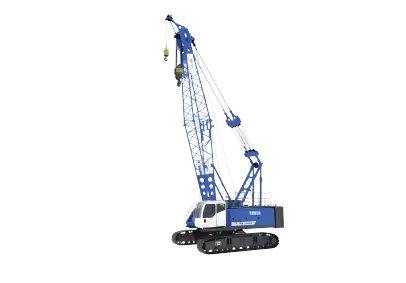
Crawler cranes in the 55-ton capacity class have a few features that make them unique and decide how they can be used. The TZGC55 from Taiyuan Heavy Machinery Group is a great example of modern engineering in this field. It meets industry standards while also having modern design features.
Lifting capacity is the heaviest load that these tools can easily move in ideal circumstances. The TZGC55 can lift up to 55 tonnes and has a maximum pulling moment of 204.4t·m. This gives it a lot of power for tasks like placing structural steel, setting up equipment, and moving materials. The true lifting capacity at different boom angles and lengths is found by multiplying the load weight by the horizontal distance from the crane's center of spin.
The design of the boom has a big effect on how versatile it is for use. The TZGC55 has a movable boom system that can go from 13 to 52 meters. This lets workers change the length to fit the needs of each job. This flexibility is very useful for a wide range of tasks, from small urban building sites that need shorter boom setups to large infrastructure projects that need the longest reach possible.
Crawler cranes are fundamentally different from wheeled cranes in how their undercarriages are built. The 49-ton base mass of the machine is spread out over a bigger surface area by track-mounted systems, which results in ground pressure of only 0.07MPa. This low ground pressure lets them work on soft soils, marshes, and places that have just been filled in, where wheeled cranes would sink or need a lot of work to prepare the ground.
Operating Mechanisms and Safety Systems
Modern crawler cranes have hydraulic systems that are built in and give exact control over the functions of lifting, slewing, and travelling. The TZGC55 has a Shangchai SC7H210.1G4 engine that gives it 155kW of maximum power at 2000rpm and all of its moves are powered by hydraulic pressure. This hydraulic design works more smoothly than mechanical ones, and the changeable speed control makes it easier to place loads correctly.
Safety factors are built into the design of crawler cranes. Load moment signs keep an eye on lifting operations all the time, figuring out the load moments in real time and comparing them to charts of estimated capacity. When the system notices that conditions are getting close to being dangerous, it alerts workers visually and audibly and stops the crane from moving in ways that would be risky.
Anti-two-block devices keep the hook block from touching the boom tip, which is dangerous and can lead to a complete failure of the structure. When the hook gets close to the boom head, these systems use proximity sensors or cable-based devices to stop the hoist from moving before contact happens.
Maintenance Requirements for Optimal Performance
Proactive repair practices for a crawler crane have a direct effect on how long equipment lasts and how reliably it works. Crawler cranes need regular maintenance on a number of important devices. The underside needs to be checked regularly for track shoe wear, roller condition, and track tension. The best ground contact and early wear can be avoided by making sure the track is properly tensioned. Damaged rollers or old track shoes, on the other hand, make it harder to move around and stay stable.
The slewing ring bearing, which is the big round bearing that lets the machine turn 360 degrees, needs to be oiled every 50 to 100 hours of use. Every 500 hours or once a year, the torque on the slewing ring fixing bolts should be checked to make sure the link doesn't loosen, which could cause the split to fail completely.
Regularly tasting the oil to check for pollution, replacing the filter as directed by the maker, and checking the seal integrity of the hydraulic cylinders are all parts of hydraulic system upkeep. When hydraulic fluid is contaminated, it speeds up the wear on parts and lowers the efficiency of the system. Also, when seals are broken, fluid leaks and pressure is lost.
Advantages and Practical Applications of the 55t Crawler Crane in Modern Projects
Superior Stability and Terrain Adaptability
The main advantage of crawler cranes comes from the fact that their undercarriages are tracked. Compared to wheeled options, this design is much more stable, and it doesn't need outriggers, which need level, hard ground and take time to set up. The continuous track system spreads the machine's weight evenly, which lets it work on slopes of up to 30% grade. This is very useful when working on highway embankments, pipeline lines that go through different types of terrain, or foundation work on building sites that are sloped.
This ability to adapt to different types of land directly leads to lower project costs. When it comes to sites that need a lot of work to get ready for wheeled cranes, like compacting, sanding, and putting down crane pads or mats, crawler cranes can often go right in. The lower ground pressure keeps the surface from getting damaged and the dirt from rutting. This is especially important when working on finished planting or areas with underground utilities.
Operational Efficiency in Real-World Applications
Crawler cranes are great for jobs that need to be moved around a lot or need to reach far. Because they can move while carrying loads—keeping things stable while moving short distances—they don't have to do the same rigging over and over again. When building a bridge, this feature lets the crane place girders one after the other along the span without stopping to move, which speeds up the building plan by a lot.
Additionally, installing wind turbines is another task where crawler cranes clearly shine. Extended boom designs give a lot of reach, which lets nacelles and rotor units be placed at hub heights higher than 80 meters. The machine's safety on the natural soil that is common at wind farm sites cuts down on the cost of preparing the site, and the low ground pressure has little effect on farming land.
Crawler cranes are used to place heavy equipment precisely and with a lot of pulling power in industrial and power generation plants. It is important to carefully control the load on heat exchangers, pressure tanks, transformer banks, and generator parts because they often weigh 30 to 50 tonnes and have size restrictions. The smooth hydraulic operation and quick control systems make it possible for workers to move these expensive, fragile loads safely through crowded plant areas.
Fuel Efficiency and Environmental Considerations
Modern designs for 55t crawler crane use technologies that make them more fuel-efficient while still meeting performance standards. The clever power management system in the TZGC55 adjusts the engine's output to meet practical needs. This lowers fuel use during light-duty shifts and times of inactivity. This economy is especially important for long-term projects, where fuel costs make up a big part of the equipment's running costs.
Low ground pressure helps reach environmental sustainability goals because it lessens ground disturbance. For projects that go through marshes, farmland, or environmentally sensitive areas, tools that keep the ground from compacting and the surface from being disturbed are helpful. Some rules now limit the ground pressure that equipment can handle, which means that crawler cranes are the only choice for some jobs.
Comparing 55t Crawler Cranes: Making the Right Choice for Your Business
Capacity Considerations and Equipment Sizing
To choose the right pulling ability, you need to carefully look at what the project needs. The 55-ton class is in the middle of the heavy 80-100-ton machines built for industrial plant work and big building projects and the smaller 35-50-ton units that are good for general construction. This medium-sized ability can handle most structural steel parts, poured concrete walls, mechanical equipment, and utility infrastructure parts that are used in a variety of settings.
When comparing the TZGC55 to other options that can hold 50 tonnes, the extra five tonnes of capacity gives it a lot of working space. Some of the maximum capacity is used up by rigging gear like slings, chains, spreading beams, and hook blocks. A 50-ton crane that has five tonnes of gear and a 45-ton load works at full capacity with no safety cushion. The 55-ton unit, on the other hand, keeps a reasonable spare capacity that increases safety and allows for unexpected changes in the load.
On the other hand, switching to machines that weigh 80 tonnes or more means that the costs of buying, transporting, mobilising, and running them will go up significantly. The bigger machines need more counterweights, parts that are stronger, and a more complicated way to take them apart for transport. The 55-ton class is the most cost-effective choice for tasks where the maximum lift regularly falls below 45 tonnes.
Comparing Crane Types for Your Application
Knowing how crawler cranes stack up against other types of cranes can help you choose equipment that fits your needs. Truck-mounted cranes are easier to move along highways because they can go from job places quickly and easily without needing special transportation. But because they are on wheels, they need to have outriggers set up, they need to be on hard, level ground, and they can't move while carrying things. Even though they move more slowly, crawler cranes are better for projects that need to be moved around a lot or that need to be used on rough ground.
Rough terrain cranes are a good compromise because they can handle muddy job sites because they have four-wheel drive and outrigger stabilisation. They can also be set up faster than crawler units. Even so, they can't be used on soft ground like crawler cranes can because they need outriggers and the ground pressure is higher. All-terrain cranes are easy to move on highways and can lift heavy loads, but they are very expensive and often cost more than the project budget allows.
The TZGC55 can compete with these other options thanks to its 55-ton capacity, 13-52 metre boom range, and 30% climbing ability. It can work in places where other types of cranes need a lot of site preparation because its ground pressure is only 0.07MPa. This means it can be moved faster and costs for other things are lower.
Brand Reputation and Support Infrastructure
Reliability of a crawler crane has a direct effect on project plans and profits. Taiyuan Heavy Machinery Group has been making machines for more than 70 years and has shipped more than 40,000 pieces of equipment all over the world. This long history of use gives trust in the design's age and the dependability of its parts that is hard for younger makers to match.
Long-term ownership costs are greatly affected by the availability of expert help, extra parts, and repair skills. TZCO has a global service network that covers more than 70 countries and areas. This makes it easy to get factory-trained techs and original new parts. This support system cuts down on the time that equipment needs to be taken out of service for fixes or upkeep, keeping projects on schedule and lowering the cost of lost output.
When buying something, warranty terms and service agreements should be carefully looked over. Full insurance covering for main parts like the engine, hydraulic pumps, slewing bearings, and structural elements protects against early breakdowns and saves money. Extended protection choices and regular maintenance contracts put some of the practical risk on the maker while making sure that maintenance plans are followed to get the most out of the equipment.
Procurement Considerations: Acquiring Your 55t Crawler Crane
Evaluating Purchase Versus Rental Options
Whether to buy or rent crawler cranes depends on how often they will be used, how long the job will last, and how much money is available. When technology stays in high demand across multiple projects that last for months or years, purchasing it results in lower per-day costs. Ownership gives you more control over your schedule, takes away the worry of not being able to find a rental during busy building times, and increases the value of your assets on your company's balance sheets.
Rental agreements are helpful for situations where you only need something occasionally, for specific tasks, or because your business is having trouble making ends meet. Rental models are good for short-term jobs because they don't require a large upfront investment and give you access to well-kept tools with upkeep coverage. Rental prices depend on the local market, the type of tools, and the length of the contract. Usually, prices range from daily to monthly, with savings for longer agreements.
Many businesses find that they can save the most money by using a mixed approach: they buy core equipment that they use all the time and rent specialised or extra capacity for times when demand is high. This approach keeps operational freedom while keeping capital costs low and making sure that equipment doesn't sit idle during slow times.
Navigating Supply Channels and Financing Solutions
Finding dependable equipment sellers is an important part of the buying process. Authorised sellers and makers sell equipment that comes with factory guarantees, original parts, and a system for expert support. When you work directly with a maker, like through TZCO's global marketing network, you can often get better prices and get access to engineering help and customisation options.
Online business-to-business (B2B) markets have sprung up as extra outlets for 55t crawler crane that let you compare prices and get in touch with many providers. These platforms make it easier to do preliminary research and get quotes, but you need to carefully check each seller to make sure the equipment is real, the guarantee is valid, and the vendor can provide help after the sale. Established companies that do their own sales usually offer more responsibility and consistent service.
Financing options affect the availability of tools, especially for businesses that are limited on cash or need to keep credit lines open for working needs. Traditional bank loans, company credit programs, equipment leasing agreements, and lease-to-own models are all ways to pay for equipment. Each option has different tax effects, ownership timelines, and total cost factors that make it important to talk to financial experts.
After-Sale Support and Long-Term Asset Management
Premium equipment providers are different from transactional vendors because they offer full help after the sale. TZCO's support system includes help with installation, training programs for operators, schedules for preventative maintenance, and services for fixing technology problems. This ongoing relationship method helps customers get the most out of their tools while keeping downtime to a minimum.
With maintenance contract choices, regular service is taken care of by the manufacturer or authorised service providers. This makes sure that the manufacturer-recommended maintenance times are met with legitimate parts and factory-trained techs. Even though these contracts raise running costs, they provide stable budgets for upkeep, make management easier, and often include faster service reaction times during breaks.
The supply of spare parts has a big effect on how much time equipment is used. Keeping a stock of important wear parts like hydraulic filters, track shoes, wire rope, and electrical parts lets you fix things quickly without having to wait for parts to arrive. TZCO's parts delivery network and help with inventory management help customers get the most out of their extra parts stocking by letting them know how often they are used and what their operations need.
Conclusion
Crawler cranes with a capacity of 55 tonnes are very useful in building, infrastructure, energy, and industry settings. Their unique mix of high lifting capacity, better stability on rough ground, and operating freedom makes them the best choice for a wide range of heavy lifting needs. The TZGC55 from Taiyuan Heavy Machinery Group is a great example of modern engineering in this field. It has advanced hydraulic systems, smart power management, and a strong build that makes it reliable in harsh conditions.
To buy a 55t crawler crane successfully, you need to carefully consider its specs, how it will be used, and how it can be supported in the long run. Knowing how tracked platform design and powerful hydraulic systems help crawler cranes lift big loads lets you make smart comparisons with other types of cranes. Paying close attention to repair methods, user training, and support infrastructure helps get the most out of equipment investments while keeping project deadlines and safety goals in mind.
FAQ
What factors affect how much a crawler crane can actually lift?
The actual pulling capacity depends on how the boom is set up, the working radius, the state of the ground, and how the counterweights are arranged. Load charts show the most weight that can be carried at different boom directions and lengths. When compared to hard areas, soft ground has less capacity. Also, a wider working radius (the horizontal distance from the crane's center to the load) lowers the possible capacity. Safe lifting limits are also affected by wind speed and how the load moves while it is being lifted.
How often should big repairs be done on crawler cranes?
Routine maintenance is done at set times based on the number of hours the machine is used. It usually includes daily checks, 250-hour engine service, and 500-hour maintenance on the hydraulic system. Full checks are done once a year to look at structure parts, safety systems, and wear items. Every 2,000 to 5,000 hours of use, based on the amount of work and the quality of the upkeep, major overhauls like replacing the wire rope, rebuilding the hydraulic cylinders, and overhauling the engine happen.
Is it safe for crawler cranes to work on hills and uneven ground?
Crawler cranes can work well on rough ground that makes wheeled options difficult to use. They can handle hills of up to 30% grade. Their moving base makes them more stable and lowers the ground pressure. Operators must look at the conditions of the site, make the necessary adjustments to the counterweights, and look at load charts to account for activities that aren't flat. Safety rules say that ground compaction must be checked and that moving actions must be constantly watched.
Partner with TZCO: Your Trusted 55t Crawler Crane Manufacturer
TZCO wants you to experience the dependability and performance that have made us a trusted crawler crane provider in more than 70 countries around the world. Our TZGC55 blends 70 years of excellent production with cutting-edge engineering to give your projects the lifting solutions they need. Whether you're in charge of building infrastructure, installing energy systems, or industrial construction, our expert team is ready to make sure that the tools you use meets your unique needs. Check out our full line of heavy lifting tools to see why top builders choose TZCO as their 55t crawler crane maker of choice. Email our expert team at tzcoglobal@tz.com.cn to talk about your project needs, get full specs, or set up on-site equipment demos. You can find professional tools, see what we can make, and get in touch with area reps at tzcoglobal.com.
References
American Society of Mechanical Engineers (ASME). Mobile and Locomotive Crane Standards: Safety Requirements for Crawler Crane Operations. ASME B30.5-2018.
Construction Industry Research and Information Association (CIRIA). Ground Bearing Pressure and Stability Requirements for Heavy Lifting Equipment in Civil Engineering Applications. CIRIA Publication C754, 2019.
International Organization for Standardization (ISO). Crawler Cranes: Design Specifications and Performance Testing Protocols. ISO 4305:2014.
National Commission for the Certification of Crane Operators (NCCCO). Crawler Crane Operator Certification: Technical Knowledge Requirements and Best Practices. NCCCO Reference Manual, 2022.
Peurifoy, R.L., Schexnayder, C.J., and Shapira, A. Construction Planning, Equipment, and Methods: Heavy Lifting Operations and Equipment Selection. McGraw-Hill Education, 9th Edition, 2018.
Society of Automotive Engineers (SAE). Hydraulic Systems for Mobile Cranes: Performance Standards and Efficiency Optimization. SAE J1063 Technical Paper Series, 2020.