- English
- French
- German
- Portuguese
- Spanish
- Russian
- Japanese
- Korean
- Arabic
- Greek
- German
- Turkish
- Italian
- Danish
- Romanian
- Indonesian
- Czech
- Afrikaans
- Swedish
- Polish
- Basque
- Catalan
- Esperanto
- Hindi
- Lao
- Albanian
- Amharic
- Armenian
- Azerbaijani
- Belarusian
- Bengali
- Bosnian
- Bulgarian
- Cebuano
- Chichewa
- Corsican
- Croatian
- Dutch
- Estonian
- Filipino
- Finnish
- Frisian
- Galician
- Georgian
- Gujarati
- Haitian
- Hausa
- Hawaiian
- Hebrew
- Hmong
- Hungarian
- Icelandic
- Igbo
- Javanese
- Kannada
- Kazakh
- Khmer
- Kurdish
- Kyrgyz
- Latin
- Latvian
- Lithuanian
- Luxembou..
- Macedonian
- Malagasy
- Malay
- Malayalam
- Maltese
- Maori
- Marathi
- Mongolian
- Burmese
- Nepali
- Norwegian
- Pashto
- Persian
- Punjabi
- Serbian
- Sesotho
- Sinhala
- Slovak
- Slovenian
- Somali
- Samoan
- Scots Gaelic
- Shona
- Sindhi
- Sundanese
- Swahili
- Tajik
- Tamil
- Telugu
- Thai
- Ukrainian
- Urdu
- Uzbek
- Vietnamese
- Welsh
- Xhosa
- Yiddish
- Yoruba
- Zulu
A Comprehensive Overview of Electric Mining Dump Trucks
Electric mining dump trucks are a big change in the way heavy materials are moved in mining operations. They combine clean technology with a strong ability to pull. These battery-powered cars get rid of the need for gasoline engines and provide constant speed and load-bearing performance on rough terrains. Modern electric haul trucks meet both environmental requirements and worries about total cost of ownership. They have powerful battery systems ranging from 350 to 770 kWh and can carry up to 80 tonnes. As mines around the world move toward more environmentally friendly methods, equipment managers, project engineers, and procurement specialists who are in charge of updating mining infrastructure need to know about the technical details, operational benefits, and buying factors of electrified fleets.
Understanding Electric Mining Dump Trucks: Technology and Key Features
Battery-electric haul trucks use complex engine designs that turn saved electrical energy into motorised motion without producing any waste heat. Lithium iron phosphate (LFP) or lithium-ion battery packs, permanent magnet synchronous motors, and clever energy management systems that make the best use of power distribution during operating cycles make up the main parts.
Pure Electric Powertrain Architecture
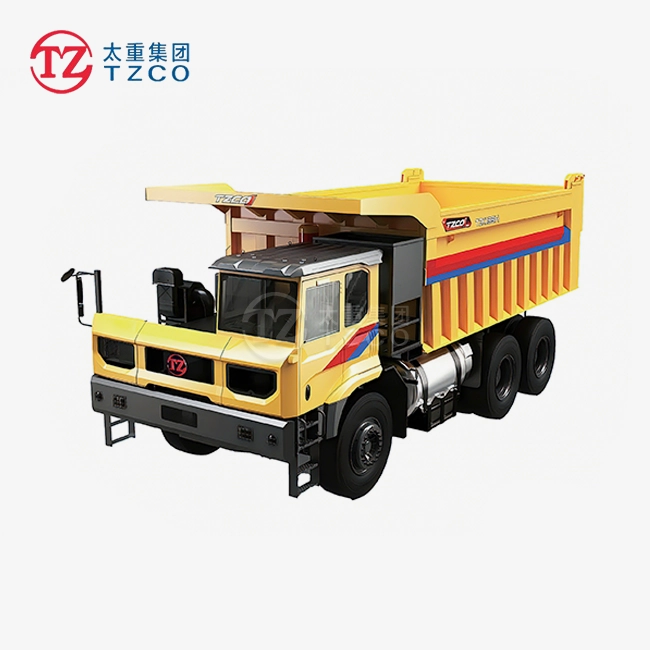
Diesel-electric combinations still have internal combustion engines, but pure electric versions don't use any polluting fuels at all. The TZK90E and TZK120E types from TZCO are good examples of this method. Their batteries can hold 350–420 kWh and 481–770 kWh, respectively. When the engine stops, these systems give it quick power, which makes it better at climbing hills on steep haul roads that are popular in open-pit operations. The all-steel frame can handle the rough conditions of mine sites, and heat management systems keep the batteries working well even when the temperature drops or rises.
Regenerative Braking and Energy Recovery
By using regenerative brakes, electric haul trucks are able to store kinetic energy when going downhill. Together, hydraulic retarders and electric motor resistance turn the energy of going downhill into electricity that can be charged. This gravity-fed energy recovery is especially useful in deep open-pit situations where trucks carry heavy loads down to crusher stations. It could save 20–30% of the energy used on trips back uphill. Compared to traditional friction-based systems, these systems increase the operating range while lowering the wear on the brakes.
Embedded Safety and Monitoring Systems
Modern electric mining trucks have sensors that prevent collisions, stable control algorithms, and battery tests that happen in real time. Ergonomic design in operator booths improves vision, and active cooling systems keep battery units from overheating. Built-in telematics allow for online tracking of performance, alarms for preventative maintenance, and fleet optimisation data that can be accessed through cloud-based apps. These features cover safety rules that are needed for both open-pit and deep mining licenses.
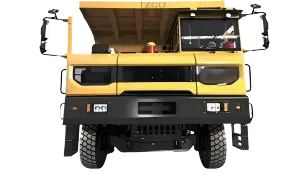
Comparative Analysis: Electric vs. Diesel Mining Dump Trucks
When buying a mining dump truck, it's important to look at working performance, lifetime costs, and how the equipment will work with other systems. When switching from diesel to electric powertrains, there are trade-offs that depend on the place, how it is used, and what the building can already do.
Metrics for Performance and Efficiency
Electric powertrains are 90–95% efficient at turning energy into motion, while diesel engines are only 35–45% efficient. This means that it costs less to move a tonne of energy, especially if the power comes from green sources. Noise reductions of 10 to 15 decibels make workers more comfortable during long shifts and make it easier to follow health and safety rules at work. Load limits stay the same. For example, TZCO's TZK120E can carry 80 tonnes of cargo, the same as mid-range diesel engines. Because diesel particulate matter (DPM) isn't present, there are no costs for air systems in underground uses. This could cut capital costs by 30 to 40 percent in confined mine areas.
Total Cost of Ownership Considerations
Even though electric cars cost more to buy at first, the total cost of ownership (TCO) formula changes because you don't have to buy gasoline fuel, change the oil, or maintain the exhaust system. Batteries usually need to be replaced every 5 to 7 years, based on 3,000 or more charge cycles. When they're dead, the packs can be used again in stable energy storage. Even though the market isn't fully developed yet, resale prices are still unclear. However, battery decline measures can be used to estimate the leftover value. More and more, practical saves are factored into financing structures. For example, lease plans match payments with actual drops in fuel costs.
Operational Constraints and Infrastructure Requirements
Battery limits add range issues that aren't present in gas operations. Infrastructure for fast charging or battery swapping stations need to be built and run with teamwork. In places that are below -20°C, active battery heating devices are needed to keep the batteries' capacity. Conditions of haul roads have a big effect on how much energy is used; routes that aren't well taken care of have higher rolling resistance. To see if fleet electricity is possible without lowering output, procurement teams have to look at site-specific job cycles like average haul lengths, shift patterns, and charging windows.
Leading Manufacturers and Market Solutions
On the global market for battery-electric mining trucks, there are both well-known heavy equipment firms and newcomers to the field of electrification. Knowing what a seller can do helps you make choices about where to buy things that meet business needs and allow access to service networks.
Established Heavy Equipment Producers
Caterpillar, Komatsu, Hitachi, and Volvo have all shown off examples of electric or hybrid mining trucks that use their decades of hydraulic and mechanical knowledge. These companies stress maintaining payloads and making sure that upgrades work with fleet environments that are already in place. Their distribution networks make parts and field service support available in most mining areas, which is very important for keeping downtime to a minimum in rural operations. Powertrain parts usually come with warranties that last between 3 and 5 years, and battery promises cover things like capacity retention limits.
Specialized and Regional Manufacturers
TZCO has been making heavy machinery like the electric mining dump truck for more than 70 years and has sold more than 40,000 sets of equipment around the world since 1950. TZCO was one of the first companies in China to work in heavy industry, and it now runs national-level smart manufacturing sites that are certified for green production. The TZK90E (90 tonnes machine weight, 60 tonnes payload) and TZK120E (120 tonnes machine weight, 80 tonnes payload) show that the company is dedicated to providing mining solutions with no emissions. These models have advanced power management systems that work best for both coal mines that need to keep the air quality in the confined spaces clean and open-pit metals ore mines that want to cut costs. TZCO's expert support is available 24 hours a day, seven days a week, and online analysis can be used to help foreign clients with service issues.
Supplier Evaluation Criteria
Procurement experts should look at how well a maker has done with mining-specific uses instead of general electric car experience. When operational problems happen during production shifts, how quickly expert help responds is very important. Fleet modernisation pilots can get the money they need more easily with flexible financial choices like operating leases and performance-based contracts. Parts that are compatible with current equipment make repair training and inventory management easier. This is especially helpful for companies that are keeping fleets of both diesel and electric vehicles during changeover periods.
Procurement Guide: Implementing Battery-Electric Haul Trucks
For electricity projects to be successful, they need to carefully look at what the place needs, plan their finances, and build the necessary infrastructure. This organised method lowers the risks of execution while setting performance standards that can be measured.
Operational Needs Assessment
First, figure out how to measure the factors of the haul cycle, such as the average distance travelled per trip, changes in slope, material density, and daily tonnage goals. Compare these numbers to what the maker says about the battery's size, how long it takes to charge, and how much power it can keep putting out. Sites with mostly downhill heavy hauls get the most out of renewable benefits and could even reach energy-neutral operations. On the other hand, activities with long sections of heavy uphill loads need bigger battery backups or charging chances in between. Long-term practical modelling should take into account environmental policies, especially any plans for pricing carbon.
Infrastructure Planning and Charging Strategy
Dual-gun fast-charging systems let you charge during shift changes, and it usually takes 30 to 60 minutes to restore 80% of the battery's power. Downtime is cut down to 5–10 minutes with battery-swapping technology, but it costs more to keep extra batteries on hand. Electrical grid capacity studies find out if the substations that are already there can handle the charging loads or if the utilities need to be upgraded. Adding solar or wind power can lower your energy costs and make your business look more environmentally friendly. Maintenance shops need to train technicians on how to use high-voltage systems and special troubleshooting tools that aren't used in diesel service bays.
Financial Analysis and Procurement Pathways
Make lifetime cost models that compare gasoline basic cases to electric options over a period of 10 years. Include estimates about how fuel prices will change, how much the carbon tax will cost, and how often batteries need to be replaced. A lot of places give tax breaks, faster depreciation, or grant programs to people who buy zero-emission equipment. Leasing arrangements from manufacturers or outside lenders spread out the amount of capital needed and keep operating capital safe. Pilot programs with one or two units set up practical proof points before committing to a whole fleet. They collect performance data from specific sites that helps improve business cases.
Conclusion
Electric mining dump truck battery-electric mining trucks are a game-changing technology that takes into account both environmental concerns and the need to keep costs low in modern mining. With no pollution from the tailpipes, less upkeep needed, and the ability to collect energy, these cars can be used instead of diesel trucks in a variety of mining situations. For adoption to go well, job cycles that are specific to the site must be carefully looked at, infrastructure must be strategically invested in, and relationships with makers who offer proven technical support must be formed. The TZK90E and TZK120E types from TZCO show how safe electricity solutions can be made from known heavy machinery knowledge. As battery technology keeps getting better and charging infrastructure gets better, buying teams that use structured review models set up their businesses to be competitive in a global market that cares more and more about carbon.
FAQ
How long do mine haul truck batteries usually last?
Modern lithium iron phosphate (LFP) batteries used in mines can be fully charged 3,000 to 5,000 times before their capacity drops below 80% of what it was when it was first made. Based on normal mine job rounds of two to three charges per day, this means that it will work for five to seven years. Battery management systems balance cell levels and control temperature to make the batteries last as long as possible, and predictive analytics figure out when they need to be replaced based on how they're breaking down, not how old they are in days.
How do electric trucks stack up against gas trucks when it comes to how much they can carry?
Due to how the batteries are weighted, current battery-electric mine trucks can carry about the same amount of weight as gasoline versions. The TZK120E from TZCO can hold up to 80 tonnes and weighs 120 tonnes all together, which is about the same as diesel units of the same size. Payload efficiency, which is the ratio of cargo weight to gross vehicle weight, is between 50 and 55% for electric models and 55 to 60% for diesel models. The difference is getting smaller as better lithium chemistry formulations make batteries more energy dense.
What safety features make electric mine trucks different?
Electric powertrains get rid of the fire risks that come with storing diesel fuel and having hot exhaust systems. Battery cages have thermal runaway control systems that separate cells that are getting too hot before they cause other problems. Less noise makes it easier for workers to see when equipment isn't working right or when there are signs close by. Anti-collision systems and automated stop actions work better with electric drive controls. This will make it possible for vehicles to operate themselves in the future, once the rules are clear.
Partner with TZCO for Sustainable Mining Solutions
TZCO has been making high-quality heavy machinery like the electric mining dump truck for 70 years and now uses cutting-edge electric technology to make reliable battery-electric haul trucks that are perfect for modern mining operations. As a reliable provider with customers in more than 70 countries, we know the unique problems that equipment managers face when they switch to zero-emission fleets. Our TZK90E and TZK120E types have been used successfully in coal mining, metal ore extraction, and tunnelling, all of which need to be done in a way that is both environmentally friendly and efficient.
Our full support system includes online diagnosis, expert training on-site, and flexible purchasing options that are meant to make application as easy as possible. TZCO is ready to help you update your fleet. They have national-level innovation tools and smart manufacturing certifications to back them up. You can email our buying experts at tzcoglobal@tz.com.cn to set up demos of tools, talk about unique setups, or get full technical offers. Visit tzcoglobal.com to see our full selection of environmentally friendly mining equipment and learn how working with an expert maker can help you make the switch to profitable, eco-friendly operations faster.
References
International Council on Mining and Metals (2022). Pathways to Decarbonization: The Mining and Metals Sector's Role in Energy Transition. London: ICMM Publications.
Parker, R. and Chen, L. (2021). Battery-Electric Heavy-Duty Mining Equipment: Performance Analysis and Total Cost of Ownership Models. Journal of Sustainable Mining, 40(3), 217-234.
Global Mining Research Institute (2023). Electric Mining Truck Technology Assessment: Global Market Analysis and Forecast 2023-2030. Denver: GMRI Press.
Zhang, W., Müller, S., and O'Connor, K. (2022). Regenerative Braking Systems in Off-Highway Electric Vehicles: Efficiency Gains in Open-Pit Mining Operations. International Journal of Heavy Vehicle Systems, 29(2), 156-178.
Anderson, T. and Kowalski, M. (2023). Infrastructure Requirements for Fleet Electrification in Large-Scale Mining Operations. Mining Engineering, 75(4), 42-51.
World Economic Forum (2023). Decarbonizing Mining: Technologies and Business Models for Net-Zero Operations. Geneva: WEF Industry Publications.