- English
- French
- German
- Portuguese
- Spanish
- Russian
- Japanese
- Korean
- Arabic
- Greek
- German
- Turkish
- Italian
- Danish
- Romanian
- Indonesian
- Czech
- Afrikaans
- Swedish
- Polish
- Basque
- Catalan
- Esperanto
- Hindi
- Lao
- Albanian
- Amharic
- Armenian
- Azerbaijani
- Belarusian
- Bengali
- Bosnian
- Bulgarian
- Cebuano
- Chichewa
- Corsican
- Croatian
- Dutch
- Estonian
- Filipino
- Finnish
- Frisian
- Galician
- Georgian
- Gujarati
- Haitian
- Hausa
- Hawaiian
- Hebrew
- Hmong
- Hungarian
- Icelandic
- Igbo
- Javanese
- Kannada
- Kazakh
- Khmer
- Kurdish
- Kyrgyz
- Latin
- Latvian
- Lithuanian
- Luxembou..
- Macedonian
- Malagasy
- Malay
- Malayalam
- Maltese
- Maori
- Marathi
- Mongolian
- Burmese
- Nepali
- Norwegian
- Pashto
- Persian
- Punjabi
- Serbian
- Sesotho
- Sinhala
- Slovak
- Slovenian
- Somali
- Samoan
- Scots Gaelic
- Shona
- Sindhi
- Sundanese
- Swahili
- Tajik
- Tamil
- Telugu
- Thai
- Ukrainian
- Urdu
- Uzbek
- Vietnamese
- Welsh
- Xhosa
- Yiddish
- Yoruba
- Zulu
How Electric Macro Excavators Improve Efficiency on Construction Sites?
Electrical macro excavators are increasing output on building sites by lowering fuel costs by a lot, getting rid of harmful pollution, and offering faster power response than diesel machines. These high-tech machines use permanent magnet synchronous motors and high-capacity battery systems to get energy efficiency rates of over 95% while lowering operating downtime by making upkeep easier. The switch to electric earthmoving equipment solves some of the industry's biggest problems, like unstable fuel prices, strict emission rules, and high costs for air systems in small work spaces.
Understanding Electric Macro Excavators: Features and Operation
Defining the Technology Behind Zero-Emission Earthmoving
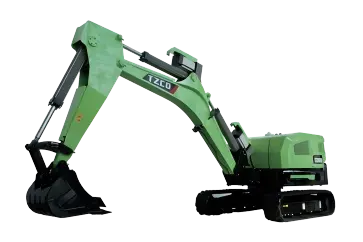
Compared to traditional diesel-powered equipment, modern electric mining equipment is very different. Lithium Iron Phosphate battery packs that can hold 300 to 700 kWh of energy are paired with high-voltage electric powertrains that usually run between 600V and 1000V. This progress can be seen in the TZ60E-TZ350E line from TZCO, which has total weights from 6,200 kg to 35,042 kg and bucket sizes from 0.23 m³ to 2 m³. The motor's rated power ranges from 44kW at 2000rpm to 250kW at 1800rpm, giving it the power to do tough dig work in a wide range of building settings.
Core Components Driving Performance
These tools' high-tech battery-powered systems make them reliable for current jobs. The high-power permanent magnet stepper motors keep working at the same level for long workdays, and the battery design lets them run continuously for 6 to 8 hours on a single charge. Charging infrastructure has changed a lot. With fast-charging technology, devices can be fully charged in just two hours, which increases their usefulness and output. This quick return keeps project plans from getting thrown off and lets workers stick to tight deadlines without breaking their environmental promises.
Operational Principles That Transform Worksites
The practical benefits come from the way power is delivered being fundamentally different. Diesel engines need to ramp up their RPM, but electric motors give you instant peak power, which means they have better breaking force and cycle response. When used together, load-sensing hydraulic systems and variable frequency drives make the best use of energy, wasting as little as possible when the machines are not in use. The gentle loading hydraulic system in TZCO's equipment makes it easier to use and gives you more choices for how to set it up. The three-power system uses well-known brand parts to make sure safe and reliable operation. These technology traits directly lead to gains in productivity that can be seen and measured on busy building sites.
Breaking Bottlenecks: Current Challenges in Construction Excavation
Fuel Dependency and Cost Volatility
Changing diesel prices put constant pressure on construction companies' budgets. Diesel prices can change a lot depending on global events and problems in the supply chain. Traditional hydraulic excavators use a lot of fuel while they're working, and the costs add up over the course of long-term building projects. Fuel costs are hard to predict, which makes it harder to bid on projects and figure out profit margins. This creates financial instability that hurts competition in contract contracting. Because of these economic risks, buying teams are looking for options that offer more stable and predictable costs.
Maintenance Demands and Equipment Downtime
A lot of repair work needs to be done on diesel and hydraulic engineering excavator, which directly affects project plans. Maintenance tasks like changing the engine oil, replacing the fuel filter, cleaning the air filter, and keeping up with the exhaust after-treatment system cost money and cause delays in operations. Complex machines with lots of moving parts are more likely to break down, so you need to keep new parts on hand and be able to get in touch with skilled techs. When all of these maintenance tasks are added up, they cut down on available work hours and put a strain on project budgets through direct fix costs and lost output.
Environmental Compliance and Regulatory Pressure
Across North America, emission rules are getting stricter. For example, many places have put in place Low Emission Zone laws that limit or ban gasoline equipment from working in cities. Noise laws mean that construction projects near residential areas can only be used during certain hours. This makes it harder to do important ground work during those hours. Building inside, mining underground, and digging tunnels are all more difficult because diesel smoke needs a lot of ventilation to keep the air quality standards. These rules and regulations add a lot of costs and restrictions on operations that hurt the project's economy.
How Electric Macro Excavators Optimize Construction Site Efficiency?
Switching to electric earthmoving equipment offers overall performance gains across a wide range of operating areas. The benefits go beyond just lowering pollution; they also include basic changes to the cost structure and higher output.
Energy Consumption and Operating Cost Reduction
If you compare electric tractors to gasoline ones, they use up to 60% less fuel and don't put out any dangerous fumes at all. Electric motors are more efficient than diesel engines because they can turn saved energy into mechanical work at rates higher than 95%, while diesel engines can only do this 40% of the time. This huge step forward in energy exchange directly lowers the total cost of ownership over the life of the equipment. Modern energy recovery systems collect potential energy during the boom-down and swing-braking moves. They then put 20–30% of that energy back into the battery system, which increases the runtime and lowers the number of times it needs to be charged.
Acoustic Performance and Worksite Flexibility
The sound level of electric equipment is usually less than 72 dB(A), which is a lot quieter than the 95+ dB(A) sound level of gasoline equipment. Because this process is quieter, workers can work in noise-sensitive areas like cities and neighbourhoods without bothering people who live nearby. It's now possible to work the night shift, which means more busy hours and faster project completion dates. When the workplace is quieter, operators don't get as tired, which leads to better safety results and higher quality work executed over longer shifts.
Maintenance Simplification and Reliability Enhancement
With electric powertrains, maintenance costs drop by about 50 to 60 percent. Getting rid of oil changes, fuel filters, air filters, and exhaust after-treatment systems cuts down on upkeep times and the number of parts that need to be kept on hand. Checking water levels, grease spots, and hydraulic fluids are some of the most basic upkeep tasks that don't take a lot of specialised knowledge. Because the machines aren't as complicated, they are more reliable and don't need to be serviced as often. This means that unexpected downtime doesn't happen as often, which is better for project plans and client relationships.
Integration with Smart Construction Technologies
Predictive repair plans for electric macro excavators stop problems before they happen with the help of real-time tracking systems and automation. TZCO's new generation cabs have a tablet interface, a center control box, and a combined radio system that make operating the equipment more comfortable and effective. This easy-to-use design keeps operators from getting tired and boosts the general efficiency of the job. Skilled operators can use remote operation to manage multiple tools or work from a safe distance in dangerous areas. This makes the best use of workers and improves safety in all building projects.
Decision-Making Insights: Choosing the Right Electric Macro Excavator
Performance Benchmarking Against Traditional Equipment
To choose the right electric mining tools for a project, you need to carefully look at performance measures that are important to that project. Electric models have better quick power response than designs with internal combustion engines, which means they can do repeated mining jobs faster. The operating runtime is based on the battery's capacity. With today's technology, heavy-duty operation can go on for 6 to 9 hours straight, with charging during breaks or battery changing systems recovering capacity in less than an hour for multi-shift processes. Contractors should figure out whether connected grid links or self-driving battery operation work better for their spot and the power infrastructure that is available.
Investment Analysis and Return Considerations
Procurement pros have to weigh the cost of an initial investment in capital against the saves they will make in the long run. Even though the original costs may be higher than gasoline alternatives, the significantly lower running costs, which include no longer needing fuel, less upkeep, and longer component lifecycles, usually make the investment worthwhile within 3 to 5 years. Leasing agreements and other financing choices give businesses the freedom to use new technologies even when they don't have a lot of money. Incentives from the government for tools with no emissions can make projects even more cost-effective, especially for public building projects that need to be environmentally friendly.
Evaluating Manufacturers and Support Infrastructure
As China's first company to create its own heavy machinery, TZCO has more than 70 years of experience making high-quality products and has sent more than 40,000 sets of equipment to more than 70 countries. The company has 27 innovation platforms and one National Key Laboratory that support its advanced intelligent manufacturing facilities. These facilities use world-class production lines and cutting-edge technology that has been shown to work reliably. Operational trust is built through technical advice hotlines that are open 24 hours a day, seven days a week, as well as online video help and quick on-site service reaction for complicated problems. "National Manufacturing Single Champion Enterprise" rank for digger goods shows that the company is an expert in its field and that its products are the best on the market.
Warranty Coverage and After-Sales Service
Heavy engineering excavator uses industrial-grade LFP batteries that are recommended for 3,000 to 5,000 cycles, which is about 8 to 10 years before they lose 80% of their power. Manufacturers who offer extra guarantee deals for battery kits that are not part of the machine body also lower the risk. Safe packing and quick shipping options to more than 70 countries around the world make sure that equipment gets there on time and safely. Logistics teams with a lot of experience set up shipping and transport times that keep project mobilisation delays to a minimum.
Future Trends and Strategic Benefits of Electric Macro Excavators
Alignment with Corporate Sustainability Goals
There is more and more pressure on the building business to cut down on carbon emissions and show environmental awareness while projects are being built. With electric dig tools, builders can cut Scope 1 emissions in a way that meets both client standards and company green goals. This connection is becoming more important as environmental performance factors are added to the review models for public buying processes. Companies that take the lead in green buying policies improve their chances of getting future contracts and build their image in markets that care about the environment.
Technological Advancement Trajectory
New battery technologies offer higher energy efficiency and faster charging options that will make operations even more flexible. Combining smart site operations and artificial intelligence allows for self-driving drilling, better coordination of equipment, and predictive analytics that boost output in difficult building sites. When electricity and digital building management platforms come together, they create data-rich environments where the success of machines helps with planning projects, allocating resources, and making improvements all the time. Early acceptance gives companies a chance to take advantage of these new features as the technology develops.
Supply Chain and Business Model Evolution
Electrification improves the efficiency of the supply chain by making it less dependent on uncertain fossil fuel markets and making it easier to move parts around. The move toward environmentally friendly gear helps new business models based on the circular economy. In these models, managing the lifespan of equipment, reusing batteries, and remanufacturing parts all become ways to make money. When contractors invest in electric cars, they become more competitive in markets where clients value environmental responsibility and the overall sustainability performance of a project over minimising costs.
Conclusion
Electric macro excavators are a smart move for building companies that are feeling the strain of rising fuel costs, pollution rules, and complicated upkeep. The technology makes things more efficient by lowering energy costs by a lot, making upkeep easier, and giving workers more freedom on the job site. The TZ60E-TZ350E series from TZCO is a great example of the performance capabilities that are available today. It combines strong specs with zero-emission operation, making it ideal for a wide range of tasks, such as grading projects, installing pipelines, running a harbour, and building tunnels. As rules get stricter and clients demand more environmentally friendly building methods, the business case gets stronger. When contractors are thinking about updating their tools, they should think about how adding electricity fits in with their long-term business goals and place in the market.
FAQ
For how long can an electric digger run on a single charge?
With today's battery technology, most building equipment can run continuously for 6 to 8 hours. Heavy-duty apps may cut down on runtime, but charging during breaks can help you get more done each day. Fast-charging systems can recover full power in about two hours, and ongoing multi-shift operations are possible with dual-gun setups or battery changing when projects require longer hours.
How much should we expect to save on upkeep costs?
When compared to gasoline tools, electric powertrains usually save 50 to 60% on repair costs. Most of the money saved comes from not having to change the engine oil, maintain the fuel system, and service the exhaust after-treatment system. Maintenance mostly deals with hydraulic fluids, lubrication points, and cooling systems, which are easy tasks that don't need a lot of specialised knowledge or spare parts.
Can electric tractors work in harsh conditions?
Unlike diesel engines, which have trouble starting in cold weather, electric equipment has built-in Battery Thermal Management Systems that can pre-heat the batteries so they can work reliably even when it's cold outside. Manufacturers should share data from cold-soak tests to show that range retention is still good at temperatures below zero. IP67 grades for high-voltage parts make sure they will last in the dusty and wet conditions that are common in building sites.
Partner with TZCO for Advanced Electric Excavator Solutions
With our complete TZ60E-TZ350E electric digger line, TZCO is ready to help you switch to building equipment that doesn't release any pollution. Our engineering team has decades of experience with heavy machinery and can help you look at equipment specs, decide if a project is a good fit, and set up financial options that make the best use of your cash. As a well-known company that makes electric macro excavators and can ship them all over the world, we offer full support, from the initial meeting to ongoing expert service.
Get in touch with our purchasing agents at tzcoglobal@tz.com.cn to talk about how our electric macro excavators can help you meet stricter environmental standards while also lowering your costs. You can look at full specs, application case studies, and expert tools at tzcoglobal.com to help you make smart choices about equipment. Our technical advice number is open seven days a week, twenty-four hours a day. This way, you can get quick help with any practical questions that come up, which protects your project timelines and equipment investments.
References
International Journal of Construction Engineering and Management (2023). "Economic Analysis of Electric Heavy Equipment in Large-Scale Infrastructure Projects."
Society of Mining Engineers Technical Conference Proceedings (2022). "Battery-Electric Mining Equipment: Performance Evaluation and Total Cost of Ownership Analysis."
Construction Industry Institute Research Report (2023). "Emission Reduction Strategies for Urban Construction Projects: Technology Assessment and Regulatory Compliance."
Journal of Construction Equipment and Technology (2022). "Comparative Performance Study of Electric versus Diesel Excavators in High-Duty Cycle Applications."
National Institute for Occupational Safety and Health (2023). "Noise Reduction Benefits of Electric Construction Equipment on Worker Health and Productivity."
International Council on Clean Transportation (2022). "Decarbonization Pathways for Heavy Construction Equipment: Technology Readiness and Market Analysis."