- English
- French
- German
- Portuguese
- Spanish
- Russian
- Japanese
- Korean
- Arabic
- Greek
- German
- Turkish
- Italian
- Danish
- Romanian
- Indonesian
- Czech
- Afrikaans
- Swedish
- Polish
- Basque
- Catalan
- Esperanto
- Hindi
- Lao
- Albanian
- Amharic
- Armenian
- Azerbaijani
- Belarusian
- Bengali
- Bosnian
- Bulgarian
- Cebuano
- Chichewa
- Corsican
- Croatian
- Dutch
- Estonian
- Filipino
- Finnish
- Frisian
- Galician
- Georgian
- Gujarati
- Haitian
- Hausa
- Hawaiian
- Hebrew
- Hmong
- Hungarian
- Icelandic
- Igbo
- Javanese
- Kannada
- Kazakh
- Khmer
- Kurdish
- Kyrgyz
- Latin
- Latvian
- Lithuanian
- Luxembou..
- Macedonian
- Malagasy
- Malay
- Malayalam
- Maltese
- Maori
- Marathi
- Mongolian
- Burmese
- Nepali
- Norwegian
- Pashto
- Persian
- Punjabi
- Serbian
- Sesotho
- Sinhala
- Slovak
- Slovenian
- Somali
- Samoan
- Scots Gaelic
- Shona
- Sindhi
- Sundanese
- Swahili
- Tajik
- Tamil
- Telugu
- Thai
- Ukrainian
- Urdu
- Uzbek
- Vietnamese
- Welsh
- Xhosa
- Yiddish
- Yoruba
- Zulu
4 Easy Ways to Improve Excavator Fuel Efficiency
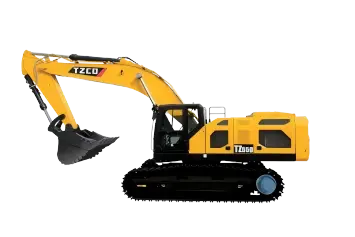
Problems with big hydraulic excavators' fuel economy have a direct effect on your project's revenue and running costs. TZCO's 55t fuel hydraulic excavators can use 35 to 45 litres of diesel per hour when they are working with a lot of dirt. Using systematic optimisation strategies to cut down on this use—such as improving engine management, operator training, and preventative maintenance schedules—can lead to cost savings of 12 to 18% per year in mining, construction, and industrial settings. When buying managers know about these ways to make things better, they can make choices that combine output with business efficiency.
Understanding Fuel Efficiency Challenges in Heavy Excavators
Using a big digger has its own problems when it comes to fuel waste that smaller machines don't have to deal with. These problems come from the complicated way that engine performance, hydraulic system design, and the needs of mining and heavy building operations all work together.
Engine Performance and Load Management
Heavy tractors with high-displacement engines have to deal with changing loads all the time. The TZ550EXD's Cummins X12S3A375 engine, which makes 280 kW at 2100 rpm, has to deal with different amounts of digging resistance during each work cycle. When the engine is not running in its best power range, which is usually between 1400 and 1900 rpm, it uses a lot more fuel than it should. The Society of Automotive Engineers has found that engines that aren't running at their best can waste 15 to 22 percent more fuel for every cubic metre of stuff they move. This waste gets worse in tasks like iron ore mining or overburden stripping, where the density of the material and the resistance to digging change all the time.
Hydraulic System Energy Losses
In excavators, the hydraulic system is the main way that energy is changed. Due to its two pumps, the TZ550EXD can move up to 414 litres per minute. This means that any system failure directly results in fuel being lost. Traditional fixed-displacement pumps keep running at full pressure even when the user isn't changing the controls, which wastes energy all the time. Also, internal leaks in old hydraulic parts, drops in pressure across broken valves, and heat production from friction all make the system less effective. According to a study in the International Journal of Fluid Power, these routes cause hydraulic systems to lose 20 to 30 percent of the energy that is put into them over time.
Operator Habits and Control Precision
The way an operator works has a big effect on how much fuel they use. Too much time spent idle between work cycles, quick moves of the joystick that cause pressure spikes, choosing the wrong gears during travel, and not matching the engine speed to the load requirements all lead to higher fuel burn rates. Modern cabs have tablet controls that give operators real-time input. However, many operators get into bad habits that put speed over efficiency without getting the right training. Observations made in the field across mining operations show that differences in fuel use of 18–25% can be caused by differences in how the tools are operated by different people in similar situations.
Four Practical Ways to Improve Fuel Efficiency
By making smart changes to key working areas, you can save a lot of fuel while keeping or increasing productivity. These methods get rid of the main problems that keep big loaders from working as efficiently as they could.
Optimize Hydraulic System Performance
The most important thing you can do to improve productivity in a large fuel hydraulic excavator is to optimise your hydraulic system. Load-sensing hydraulic systems change the pump's output based on what the system actually needs. This gets rid of the need for steady high-pressure pumping, which older designs lose fuel for. Advanced filter systems in the TZ550EXD keep the hydraulic fluid clean to ISO 4406 standards. This cuts down on internal leaks and wear on parts. When your hydraulic oil has the right density and the level of contamination stays below the 18/16/13 cleaning codes, the pump's efficiency stays above 92%. In systems that aren't well taken care of, it drops to 78–82%.
Variable displacement pumps are another way to make things more efficient. Instead of always providing maximum flow and sending extra oil through relief valves, these pumps instantly change their displacement volume to meet the flow needs of active hydraulic functions. The Hydraulic Institute says that this technology cuts fuel use by 12 to 17 percent during normal drilling rounds. Machines like the TZ550EXD have two pumps, which separate the tool and trip functions. This way, neither system can take flow away from the other, making processes easier and more fuel-efficient.
Regular hydraulic system inspections identify efficiency-robbing problems before they escalate. During daily walkarounds, look for leaks on the outside around cylinder seals and hose connections. Keep an eye on the temperature of the hydraulic oil. Readings that stay above 80°C for a long time mean that there is too much friction or not enough cooling capacity. Instead of waiting for bypass signs, replace hydraulic filters according to the manufacturer's instructions. This is because partly clogged filters make pumps work harder, which uses more fuel. These preventative steps keep the system running smoothly and stop it from slowly losing its effectiveness, which workers usually don't notice until fuel costs have gone up a lot.
Implement Advanced Engine Management Strategies
Engine control technology changes how tractors use fuel by perfectly matching the amount of power to the amount of work that needs to be done. Modern computer control units constantly check the load on the engine, the hydraulic pressure, and the operator's inputs to find the best time and volume for fuel injection. The Cummins X12S3A375 engine has high-pressure common rail fuel injection, which provides multiple injection events per combustion cycle. This makes the combustion process more efficient and improves fuel atomisation while lowering emissions.
Telematics systems collect data that can be used to make speed changes that are well-informed. These systems keep track of how much fuel is used for certain tasks, which lets you figure out when and why fuel use goes up. You'll find out if the machine's high fuel use is caused by the factors of the job site, the workers, or problems with the machine's performance that need to be fixed by repair. Because TZCO can make clever products, excavators like the TZ550EXD have monitoring systems that send real-time performance data to workers and repair teams. This way, problems with efficiency can be fixed right away.
The ability to choose an engine mode lets workers fit the power output to the needs of the job. When compared to full-power modes, economy modes lower the engine's top speed and limit hydraulic flow for smaller tasks like grading or truck placing. This cuts fuel use by 8–15%. Automatic engine shutdown abilities stop the engine from running when it's not needed, like when you're waiting or taking a break. By properly calibrating these systems for your individual needs, you can make sure that you're not losing output to save a little fuel, and you can still get efficiency gains during the right work phases. The important thing is to teach workers how to figure out which modes are best for each job during their shift.
Enhance Operator Training and Technique
Improving the skills of operators leads to instant and long-lasting fuel economy gains without the need for capital investment. Full training programs teach operators to understand the connection between the things they do with the controls and how much fuel they use. This turns vague goals for efficiency into specific actions that operators can take.
Letting your 55t fuel hydraulic excavator idle for less time is the best way to save fuel. When they're not working, excavators use 4 to 7 litres of fuel per hour. This loss can be avoided by teaching workers to turn off equipment during breaks longer than 5 minutes or while waiting for cars during loading operations. Some companies say that idle control alone cut their total fuel use by 6–10%. Modern cabs like the TZ550EXD have automotive-grade instruments that show real-time rest length. This helps drivers stay aware of this often-overlooked fuel drain.
Smooth, intentional moves of the controls make the machine more efficient by lowering hydraulic pressure jumps and stopping the engine from stalling. When operators "feather" their joystick inputs instead of making sudden movements, the hydraulic system works at its best pressure range, and the engine keeps its rpm steady without the fuel-wasting cycles of speeding up and slowing down that happen when the machine is operated aggressively. Proper bucket loading methods should be emphasised in training. Filling buckets gradually along the digging circle instead of trying to load all at once lowers the amount of digging force needed and the fuel used. These methods also make parts last longer, which adds to the financial benefits beyond just saving money on fuel.
Planning and placing methods for work make things even more efficient. By showing workers how to place the backhoe so that it has the least amount of swing angles, cycle times and fuel use per loaded truck are cut down. Using gravity to help empty the bucket instead of hydraulic power to force the material out saves energy. The best fuel-to-output ratio is reached by choosing the right journey speeds based on the environment and avoiding both too fast of speeds that use too much fuel and too slow speeds that waste time and money. When managers understand these ideas and see their performance measures go up, they stop just using equipment and start actively optimising its efficiency.
Establish Rigorous Preventive Maintenance Programs
The fuel economy that was built into tractors is directly protected by preventative maintenance. Systematic repair stops systems from losing efficiency over time as parts wear out and systems stop working as they should. The design of the TZ550EXD includes large-capacity filters and strong parts that, when properly kept, keep working at their best for long periods of time without needing to be serviced.
Maintaining the air filter is one of the most important things you can do to improve performance. When engines can't get enough air in, they have to work harder, which increases fuel use by 3–8 percent when entry limit hits modest amounts. In dusty places like quarries and mines, air filters need to be checked every 50 to 100 hours and replaced when the limit signs light up. Using original equipment manufacturer (OEM) filters ensures proper filtration without putting too many limits on airflow. Aftermarket filters may fit physically, but they often lower the quality of filtration or the way air flows, which ends up costing more in fuel than the initial saves on filter price.
Keep the fuel system clean to keep the injectors working well and the combustion process running efficiently. Diesel fuel with water and particles in it changes the flow patterns of the injectors, which makes the fuel less atomised and the burning less complete. This leads to more black smoke, more fuel use, and carbon buildup on the injector tips, which makes the engine even less efficient. Modern engines depend on precise fuel injection systems. To protect these systems, fuel filters should be installed at storage tanks, tanks should be drained properly to get rid of water buildup, and filters should be replaced at regular intervals. For the TZ550EXD's Cummins engine to meet Stage III emission standards, it needs very clean fuel to keep working at its best.
Through its effect on rolling resistance, track and chassis repair can change how much fuel a vehicle uses. When track tension is too low, it increases the area of ground contact and friction. When tension is too high, it stresses the end drive components and raises parasitic losses. Maintaining the right tightness according to the manufacturer's instructions is the best way to get the best rolling resistance. Also, old track shoes, broken rollers, and track frames that aren't lined up right all make it more difficult for the machine to move, which has a direct effect on how much fuel is used during the moving and shifting stages. Regular checks of the undercarriage find wear patterns early, so parts can be replaced before they lose a lot of efficiency. Because the TZ550EXD has a unique four-wheel belt system with double support, following TZCO's care instructions keeps the low ground pressure and efficient journey features that were built into the machine.
Selecting Fuel-Efficient Excavators for Your Operations
It's not enough to just compare standard sheets when making a procurement choice for a large fuel hydraulic excavator. To buy heavy equipment that uses less fuel, you need to carefully consider its technical specs, the manufacturer's support system, and the total costs over its entire useful life. This should be done in a way that makes sense for your business.
Defining Your Efficiency Requirements
Start by figuring out how much fuel you're using now and setting reasonable goals for how much you want to cut down. Look at past fuel use records for all of your vehicles to find out how much fuel they normally use in different situations and uses. This study finds out if high usage is caused by inefficient tools, bad operating practices, or problems unique to the application. By knowing where you are now, you can set realistic goals for improving efficiency, which is usually between 10 and 15 percent through equipment changes and operations optimisation.
Which saving tools are most valuable depends on the needs of the application. Operations that use their equipment a lot (4,000 hours or more a year) and have regular work schedules benefit the most from improved efficiency features, which save fuel quickly. Simpler, cheaper tools may be more cost-effective for projects with changing work needs or fewer hours worked each year, even if they use a little more fuel. The TZ550EXD's 280 kW Cummins engine and modern hydraulic system make it perfect for difficult ongoing operations where dependability and efficiency have a direct effect on how much money the project makes. Because TZCO has been making machines for over 70 years, they make sure that their machines use tried-and-true technologies instead of new ones that might not work as well.
Instead of just looking at the purchase price, budgeting should take into account the total cost of ownership. More fuel-efficient machines cost more, but they usually pay for themselves in less than three years in high-use situations, when they save money on fuel over 8,000 to 12,000 hours of use. In your economic analysis, you should look at things like part availability, resell value, upkeep costs, and the quality of maker support. TZCO is present in more than 70 countries, so tools and expert help are always available, no matter where the project is located. This protects your investment throughout the entire ownership cycle.
Evaluating Manufacturer Capabilities and Support
Choosing the right manufacturer is just as important as choosing the right type. Companies that have been around for a while and can do a lot of study come up with saving solutions that are based on technical principles instead of marketing claims. TZCO runs one National Key Laboratory and 27 innovation tools that help them keep making new products. This study infrastructure makes sure that the economy features in machines like the TZ550EXD are based on tried-and-true technologies that have been tested extensively, not on ideas that haven't been tested yet.
Whether efficiency on the specification sheet translates to results in the field depends on the quality of the manufacturing process. Robotic welding and precision cutting are two examples of advanced manufacturing processes that make sure that measurements are correct and that the machine works efficiently for its entire life. TZCO's clever manufacturing facilities are known across the country as showcase plants. They use quality control methods that reduce variations in parts and mistakes in assembly. When machines come from makers who don't have current production tools, they often have quality problems and higher error stacks that make them less efficient as parts wear out randomly.
Long-term economy is protected by infrastructure for after-sales support. For fuel-efficient operation, machines need to be kept in good shape by using legitimate parts and doing regular repair. Manufacturers with large networks of dealers and expert support teams can provide quick service and correct repair. TZCO's status as a Manufacturing Single Champion Enterprise for excavators shows that the company has maintained high quality and is well known in the market. When looking at different makers, make sure they offer real parts, professional training for your repair staff, and warranties that protect your investment. If you have a good support system, your tools will keep working at the same level of efficiency year after year, instead of slowly breaking down because of bad service.
Conclusion
How well 55t fuel hydraulic excavator big tractors use fuel has a direct effect on how profitable your business is in mining, building, and other industries. When used in a planned way, the four ways to make things better—optimizing the hydraulic system, improving engine management, training operators, and doing preventative maintenance—show real results. With each method supporting the others, these techniques work together to make things more efficient than any one method could do on its own. When paired with strict operating practices, modern machines like the TZ550EXD are designed to be as efficient as possible. This means that less fuel is used per tonne of material moved while still meeting project plans.
FAQ
What factors have the biggest effect on how much fuel a digger uses?
The main factors are managing the engine's load, making sure the hydraulic system works well, and the operator's method. When you run your engine outside of its best speed range, it uses 15-20% more fuel. 20–30% of the energy that goes into a hydraulic system is wasted because of parts that are worn out or fluids that aren't of good quality. Too much downtime, harsh control inputs, and bad work positioning are some of the operator habits that add another 18–25% inconsistency. When you choose the right tools, keep it in good shape, and train people on how to use it, you can improve effectiveness in all three areas.
How often should routine repair be done to keep fuel economy high?
Every day, you should check the state of the air filter, the amount of hydraulic fluid, and the track tension. Every 250 hours, the hydraulic oil needs to be sampled, the filters need to be changed, and the chassis needs to be inspected. At 1,000-hour intervals, major works should include checking the fuel system, trying the injectors, and fully checking the hydraulic system. Using legitimate parts at times set by the maker keeps performance levels at the right level throughout the equipment's lifecycle.
Can tractors that are already in use be modified to use less fuel?
There aren't many modification choices. When you switch to expensive synthetic hydraulic fluids, friction costs drop by 3–5%. Idling is avoided by installing tools that shut down the engine automatically. But major technologies for improving efficiency, such as variable displacement pumps and advanced engine controls, are built into machines and can't be added later. More cost-effective efficiency gains can be made with current equipment by teaching operators and keeping up with regular upkeep.
Partner with TZCO for Industry-Leading Excavation Efficiency
Problems in operations need answers that are based on years of experience in engineering and industry. TZCO has been a star in the 55t fuel hydraulic excavator business for 70 years. Their products are designed to be efficient without sacrificing the sturdiness and performance your projects need. With the TZ550EXD, we're showing that we want to help you cut costs while keeping up output in the toughest situations. Our expert team helps you choose the right equipment and run it for its entire life, making sure you get the most out of your heavy equipment investment in terms of fuel economy. Email us at tzcoglobal@tz.com.cn to talk about how our fuel-efficient mining options can help your business. You can find full specs, application help, and real parts support at tzcoglobal.com. This will help you get the best long-term efficiency performance.
References
Society of Automotive Engineers, "Engine Load Management and Fuel Efficiency in Heavy Equipment," SAE Technical Paper Series, 2021.
International Journal of Fluid Power, "Hydraulic System Efficiency Losses in Mobile Equipment," Vol. 18, No. 3, 2020.
Hydraulic Institute, "Variable Displacement Pump Technologies for Mobile Applications," Technical Standards Publication, 2022.
American Society of Mechanical Engineers, "Operator Influence on Heavy Equipment Fuel Consumption," ASME Conference Proceedings, 2019.
National Institute of Standards and Technology, "Preventive Maintenance Impact on Equipment Efficiency," NIST Special Publication 1247, 2021.
Construction Equipment Magazine, "Total Cost of Ownership Analysis for Large Excavators," Industry Research Report, 2023.