- English
- French
- German
- Portuguese
- Spanish
- Russian
- Japanese
- Korean
- Arabic
- Greek
- German
- Turkish
- Italian
- Danish
- Romanian
- Indonesian
- Czech
- Afrikaans
- Swedish
- Polish
- Basque
- Catalan
- Esperanto
- Hindi
- Lao
- Albanian
- Amharic
- Armenian
- Azerbaijani
- Belarusian
- Bengali
- Bosnian
- Bulgarian
- Cebuano
- Chichewa
- Corsican
- Croatian
- Dutch
- Estonian
- Filipino
- Finnish
- Frisian
- Galician
- Georgian
- Gujarati
- Haitian
- Hausa
- Hawaiian
- Hebrew
- Hmong
- Hungarian
- Icelandic
- Igbo
- Javanese
- Kannada
- Kazakh
- Khmer
- Kurdish
- Kyrgyz
- Latin
- Latvian
- Lithuanian
- Luxembou..
- Macedonian
- Malagasy
- Malay
- Malayalam
- Maltese
- Maori
- Marathi
- Mongolian
- Burmese
- Nepali
- Norwegian
- Pashto
- Persian
- Punjabi
- Serbian
- Sesotho
- Sinhala
- Slovak
- Slovenian
- Somali
- Samoan
- Scots Gaelic
- Shona
- Sindhi
- Sundanese
- Swahili
- Tajik
- Tamil
- Telugu
- Thai
- Ukrainian
- Urdu
- Uzbek
- Vietnamese
- Welsh
- Xhosa
- Yiddish
- Yoruba
- Zulu
Electric Macro Excavator Reduce CO2 Emissions
By swapping diesel engines with advanced electric powertrains, electric macro excavators are changing the way heavy work is done. They produce no CO2 on-site while still having the strong performance needed for large-scale building projects. These machines use permanent magnet synchronous motors and high-voltage battery systems to give fast power while getting rid of dangerous pollution gases that add to climate change. For companies that are in charge of roads, tunnels, mines, and ports, using electric dig technology is both good for the environment and good for business because it helps them meet stricter rules on work sites across the United States.
Understanding Electric Macro Excavators and Their Environmental Impact
What Defines Electric Macro Excavators?
There is a changing point in the building business. Heavy-duty earthmoving equipment now has electric power systems that change the way we do large-scale mining jobs in a basic way. These machines, which range in weight from 6 tonnes to 35 tonnes, are meant to do tough jobs that are usually only possible with diesel-powered machines. Unlike small models that are good for gardening, these industrial-grade units are made for building builders, mine operators, and EPC firms that need high load capacity and steady power output.
Taiyuan Heavy Machinery Group's TZ60E-TZ350E line shows this development. It has motor rated power running from 44KW at 2000rpm to 250KW at 1800rpm. This range of power levels can meet a wide range of operating needs, from installing pipelines to moving large amounts of material around harbours. Bucket capacities of 0.23 to 2 cubic meters make them useful for a wide range of project sizes. Adding high-power permanent magnet stepper motors ensures steady performance over long work cycles, meeting the main operating needs of procurement managers in charge of multi-year building contracts.
Core Technologies Powering Zero-Emission Operation
Advanced battery chemistry is what makes emission-free efficiency possible. Lithium Iron Phosphate (LFP) battery packs have the energy density to run continuously for 6 to 8 hours on a single charge, which is the same length of time as a normal shift without reducing production. Battery Management Systems (BMS) with IP67 ratings keep dust and water out, which is very important in rough mining and industrial settings where equipment is constantly exposed to rough materials and water.
The ability to charge quickly makes operations much more efficient. The TZ series can be fully charged in just two hours, so you can charge it during lunch breaks or job changes. Compared to normal refuelling procedures, this quick return cuts down on downtime. This is especially helpful for building sites in cities where fuel supply processes make scheduling difficult. Energy recovery systems use hydraulic stopping forces to put up to 25% of the energy used back into the battery stores when the boom is lowered or the swing slows down. This is a technical benefit that diesel systems can't match.
Quantifying Environmental Benefits
If you get rid of gasoline burning, each machine will release about 20 to 30 tonnes less CO2 each year, based on average heavy building use of 2,000 hours per year. This cut directly addresses the need to report Scope 1 pollution, which is becoming more and more required in government building contracts and green promises from businesses. Better air quality goes beyond just lowering carbon emissions; no particulate matter (PM2.5) or nitrogen oxide (NOx) emissions protect the health of operators and people nearby, which is especially important in confined spaces like tunnel boring operations or indoor removal projects.
Compared to diesel versions, noise pollution from an engineering excavator drops by 10 to 15 decibels, which means that longer hours of work can be done in noise-sensitive urban areas without breaking city noise laws. This sound profile helps port officials and dock owners a lot because they can keep their goods handling plans around the clock near residential areas. The lower sound signature also keeps machine parts from becoming structurally fatigued, which increases their service life and lowers their long-term repair costs—an important factor that smart buying teams use to figure out the Total Cost of Ownership.
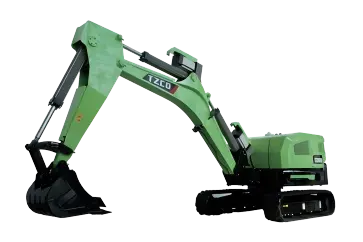
Key Technologies Driving CO2 Reduction in Electric Macro Excavators
Battery Chemistry and Lifecycle Management
Industrial electric excavators mostly use lithium iron phosphate (LFP) technology because it is better at withstanding heat and lasting longer between charges. These cells can handle between 3,000 and 5,000 full discharge cycles before they lose 80% of their health. This means that they will work for 8 to 10 years under normal building conditions. This longevity solves a major purchasing problem: the cost of replacing batteries and making sure they don't go bad during scheduled asset depreciation periods.
Thermal management systems keep the right temperature ranges for batteries even when the outside temperature is very high or the batteries are discharged many times. Active cooling keeps the engine from burning during long periods of digging, and pre-heating lets it work in cold weather without the problems that come with diesel engines starting in the winter. Battery containers that meet IP69K standards can handle the high-pressure washdowns that are common in mining and quarries. This protects sensitive electrical parts from the tough climate that speeds up equipment breakdown in these fields.
Advanced Power Management and Energy Recovery
Variable Frequency Drives (VFD) make hydraulic pumps work better by changing the motor speed flexibly based on the load needs at any given time. This smart control gets rid of the wasteful energy that comes with fixed-displacement hydraulic systems that keep running no matter what. Load-sensing hydraulic circuits make things even more efficient by sending pressurised fluid only to motors that are actually doing work, instead of keeping the system pressure the same in all circuits at the same time.
During periods of slowing down, regenerative systems collect kinetic energy. They turn mechanical motion back into electrical charge that recharges batteries. When the boom is lowered, it used to lose potential energy as heat through hydraulic valves. Now, a lot of power is recovered. In the same way, swing stopping collects circular energy, which is especially useful when moving materials that need to be loaded and unloaded over and over again. These recovery methods increase operating life by 15–20% compared to designs that don't regenerate. This directly addresses range anxiety issues that often come up when people talk about buying electric tools.
Noise Reduction and Site Safety Enhancement
The noise that electric tractors make changes the soundscape of work sites. When operating sound levels are below 75 dB(A) at the operator's ear, they can usually talk without hearing protection, which improves communication and keeps operators from getting tired during long shifts. This quiet operation is especially helpful in urban building zones where noise complaints often slow down or stop projects, and in deep mines where high noise levels make already difficult working conditions even worse.
Less vibration gearbox on electric macro excavators makes operators more comfortable and extends the life of tools at the same time. The lack of moving engine parts gets rid of the main sources of shaking, making operation easier and reducing mistakes caused by tiredness and physical strain injuries. Less repetitive stress is put on structural parts, which means that boom mounting points, frame welds, and suspension parts don't need to be serviced as often. This is because diesel excavators tend to cause wear damage in these areas, which needs expensive repairs.
How to Choose the Right Electric Macro Excavator for Your Business?
Defining Operational Requirements
The features of the project setting define the tool requirements. Applications in underground mines prefer small sizes and attached power choices to avoid the costs of diesel waste control ventilation. Open-pit mines gain from setups with the highest battery capacity, which allow for longer periods of self-operation between charging rounds. Urban infrastructure projects put a lot of emphasis on being quiet and having fast charging options that can work with limited site access during rush hour.
When you figure out the load capacity, you need to take into account the bucket fill factor and material density that are specific to your application mix. When digging in broken limestone, the breakout force needs to be different from when loading pre-blasted granite or trenching in tightly packed clay soils. The TZ60E-TZ350E line covers this range of performance levels, with bucket sizes ranging from 0.23 to 2 cubic meters and motor powers that are right for the job. By matching machine size to main job needs, you can avoid both weak equipment that makes workers unhappy and over-sized units that raise the cost of purchase needlessly.
Evaluating Manufacturer Support Infrastructure
After-sales support is what sets apart reliable equipment partnerships from troublesome dealer partnerships. TZCO has a technical advising hotline that is open seven days a week, 24 hours a day. This hotline gives contractors instant help across time zones, which is very important for handling global projects with tight completion schedules. Remote video help can fix small problems from afar, cutting down on journey delays for common problems. When there are complicated technology issues, quick on-site reaction procedures make sure that the right tools are available at the right time, which keeps projects on schedule.
When choosing a seller, spare parts logistics should be carefully looked at. The availability of battery modules, the ability to change motor windings, and the number of hydraulic parts in stock in your operating region all have a direct effect on how well your equipment works. Manufacturers with established marketing networks in more than 70 countries show that their supply chains are mature enough to work with foreign partners. As part of pre-purchase due diligence, companies working in rural mining areas or emerging infrastructure markets should check where parts are stored and how long it usually takes to send them.
Financial Structuring and Procurement Strategy
Leasing gives contractors the freedom to try out electric technology before committing to switching their whole fleets. When taking on contracts with strict environmental requirements, operating leases are a good way to keep your balance sheet full while allowing you to meet emissions standards right away. When practical trust grows, purchase choices built into lease deals let you switch to ownership. This protects you from uncertainty about the leftover value during this phase of adopting the technology.
When you negotiate a bulk order for an engineering excavator, you can get savings and customisation options that buyers of a single unit can't get. Standardising a fleet makes it easier to train operators, keep track of parts, and specialise repair technicians. These benefits keep growing as the fleet gets bigger. When you talk to the maker directly, you can often get setup choices that are specific to your application. For example, the manufacturer may be able to make buckets for specific types of materials or charge infrastructure that is tuned to your site's electricity capacity. Strategic buying teams use these chances to negotiate to get the most out of investments in capital equipment.
Future Trends and Strategic Benefits of Electric Macro Excavators
Regulatory Environment and Compliance Advantages
Emissions rules are getting stricter in all parts of the United States. California's Advanced Clean Fleets rule sets deadlines for adopting zero-emission vehicles, which will eventually include off-road building equipment. Similar rules are being made in northeastern states through the Regional Greenhouse Gas Initiative guidelines. At the same time, companies who can show measurable plans to reduce carbon emissions are getting more federal building funds. Early acceptance of electric mining equipment gives companies an advantage when bidding on government projects that use green scores as part of the prize process.
Corporate Environmental, Social, and Governance (ESG) reporting standards put even more pressure on building companies to show proof of lowering their emissions. Contractors whose shares are sold on a public market have to answer to shareholders about their climate promises. Private companies also have to deal with similar demands from big lenders who tie credit terms to sustainability performance measures. Adopting electric equipment gives us measurable data on pollution that improves ESG reports. This could lead to better terms for getting capital and higher value multiples for companies, which has financial benefits beyond just lowering running costs.
Technological Innovation Trajectory
Battery energy efficiency keeps going up by about 5–8% per year, which means that systems can be lighter or run longer while still staying within the same weight limits. Solid-state battery technology is getting close to being available to the public. It offers even better performance, possibly doubling the amount of energy that can be stored while also making it safer. These changes will gradually close any performance gaps between electric and gasoline equipment, which will speed up acceptance rates in building industries that have been slow to change.
Autonomous operation features work better with electric platforms than with gas platforms of the same type. Electric drivetrains react instantly to digital control inputs, unlike diesel engine governor systems, which have a lag. This makes it possible for precise automation that raises safety and productivity. More and more, mining companies are using electric drills that can be controlled from a distance in dangerous areas. This keeps workers away from falling rocks and explosive environments while keeping production rates high. The way that electrification and robotics work together technologically gives owners who are thinking ahead a strategic edge in the market.
Building Competitive Advantage Through Strategic Adoption
It gets easier for builders who offer certified low-carbon building services to stand out in the market. Private clients, like tech companies, institutional developers, and companies with strong net-zero goals, actively look for building partners whose business practices are in line with their environmental values. Showing that a fleet is electric through a reliable third-party proof provides marketing benefits that lead to higher prices and better contract wins.
As the markets for electric tools get more established, building partnerships between suppliers makes sure that customers can get access to new technologies and good business terms. Manufacturers give early buyers extra help because they give practical feedback that helps them make the next generation of products. This kind of working together usually leads to benefits, like being able to see prototypes, getting personalised engineering help, and finding good ways to improve as technology changes. Strategic contractors use these relationships as competitive advantages, giving them a special place in the market as the electrification of the whole industry speeds up.
Conclusion
The switch to electric macro excavators is good for the environment and good for business for companies in the mining, energy, manufacturing, and building sectors. When a business has zero emissions, it stops putting out large amounts of CO2 and saves money on costs by using less fuel and making upkeep easier. Concerns in the past that kept people from adopting these technologies have been addressed by new battery systems and power management technologies that now provide the performance stability and operating length needed for demanding heavy-duty applications. As regulations get stricter and customers' standards for sustainability change, companies that spend early in electric mining teams will be able to compete in the coming years. The adoption of electric excavators is a smart purchasing choice for businesses that want to be profitable and good to the environment, as they offer both short-term operating benefits and long-term strategy benefits.
FAQ
How do the runtimes of gasoline and electric tractors compare when they are working hard?
The TZ60E-TZ350E series' current battery technology allows for 6–8 hours of constant use under mild to heavy loads. This is the same amount of time that most building and mining shifts last. The two-hour fast-charging feature lets you charge during planned breaks, which essentially increases operating availability beyond the limits of a single charge. For projects that need to run 24 hours a day, seven days a week, battery changing systems or dual-unit shift plans keep things running while the equipment charges.
What kind of drops in upkeep costs can buying teams really count on?
Engine oil changes, fuel filter refills, diesel particulate filter cleaning, and exhaust system fixes are all things that electric excavators don't need. These are the types of maintenance that make up about 40% of diesel excavators' service costs. The rest of the repair work is mostly on hydraulic systems, lubricating the structure, and electrical links. These are easier jobs that don't require a lot of special training and have shorter break times. Compared to gasoline versions, lifecycle upkeep costs usually drop by 50–60%. This makes Total Cost of Ownership estimates much more accurate, even though they cost more to buy at first.
Can electric tractors work well in places with very high or very low temperatures?
Battery Thermal Management Systems keep the right working temperature over a wide range of temperatures in the environment. Pre-heating features make it possible to work reliably in cold weather without the troublesome starts that diesel engines have when it's freezing outside. Active cooling systems keep batteries from breaking down during long work cycles in hot areas, which is helpful in places with high temperatures. When choosing tools, performance specs should be compared to particular project temperature ranges to make sure the right heat management is in place.
Partner With TZCO for Sustainable Excavation Solutions
TZCO has been making high-quality heavy machinery for more than 70 years. They now make electric excavators that combine their long history of dependability with cutting-edge zero-emission technology. Our TZ60E-TZ350E line gives your infrastructure projects the strong performance they need while cutting costs by up to 60% and getting rid of CO2 emissions. As a National Manufacturing Single Champion Enterprise with one National Key Laboratory and 27 innovation platforms, we have the technical know-how and global support system that will help electric equipment fleet changes go smoothly. Our smart factories make equipment that is now used in more than 70 countries. We offer full expert help 24 hours a day, seven days a week, and quick shipping for extra parts. Our team can help you whether you're a maker of electric macro excavators looking for technology relationships or a builder looking at electric macro excavators for sale to meet your green goals. We can make solutions that are specific to your needs. To talk about how TZCO electric macro excavators can change the economics of your fleet and help you reach your environmental goals, email our buying experts at tzcoglobal@tz.com.cn.
References
International Energy Agency. (2023). Global EV Outlook 2023: Construction Equipment Electrification Trends. IEA Publications.
Association of Equipment Manufacturers. (2022). Zero-Emission Construction Equipment: Technical Standards and Performance Benchmarks. AEM Technical Report Series.
United States Environmental Protection Agency. (2023). Off-Road Diesel Equipment Emissions: Quantification and Reduction Strategies. EPA Climate Change Division.
Construction Equipment Magazine. (2023). Total Cost of Ownership Analysis: Electric vs. Diesel Heavy Excavators. Equipment World Media.
Journal of Construction Engineering and Management. (2022). Battery Electric Construction Equipment: Performance Validation in Heavy-Duty Applications. ASCE Publications.
National Institute for Occupational Safety and Health. (2023). Noise and Vibration Reduction in Electric Construction Equipment: Worker Health Impacts. NIOSH Research Report.