- English
- French
- German
- Portuguese
- Spanish
- Russian
- Japanese
- Korean
- Arabic
- Greek
- German
- Turkish
- Italian
- Danish
- Romanian
- Indonesian
- Czech
- Afrikaans
- Swedish
- Polish
- Basque
- Catalan
- Esperanto
- Hindi
- Lao
- Albanian
- Amharic
- Armenian
- Azerbaijani
- Belarusian
- Bengali
- Bosnian
- Bulgarian
- Cebuano
- Chichewa
- Corsican
- Croatian
- Dutch
- Estonian
- Filipino
- Finnish
- Frisian
- Galician
- Georgian
- Gujarati
- Haitian
- Hausa
- Hawaiian
- Hebrew
- Hmong
- Hungarian
- Icelandic
- Igbo
- Javanese
- Kannada
- Kazakh
- Khmer
- Kurdish
- Kyrgyz
- Latin
- Latvian
- Lithuanian
- Luxembou..
- Macedonian
- Malagasy
- Malay
- Malayalam
- Maltese
- Maori
- Marathi
- Mongolian
- Burmese
- Nepali
- Norwegian
- Pashto
- Persian
- Punjabi
- Serbian
- Sesotho
- Sinhala
- Slovak
- Slovenian
- Somali
- Samoan
- Scots Gaelic
- Shona
- Sindhi
- Sundanese
- Swahili
- Tajik
- Tamil
- Telugu
- Thai
- Ukrainian
- Urdu
- Uzbek
- Vietnamese
- Welsh
- Xhosa
- Yiddish
- Yoruba
- Zulu
What to Consider When Purchasing a Fuel Hydraulic Excavator
For builders, mine owners, and industry project managers, picking the right fuel hydraulic digger is a big investment. When looking at mid-size machines, especially those that weigh between 4 and 6 tonnes, the choice to buy directly affects how profitable the project is, how efficiently it runs, and how much it costs to maintain over time. The 6t fuel hydraulic excavator is in between small mini-excavators and large production-level machines. It has strong digging power while still being easy to move around in tight spaces. Before making a purchase that will affect your business for years to come, you need to know the technical details, how reliable the fuel system is, and how much it will cost you to own the whole thing.
Comprehending Fuel Hydraulic Excavators and Their Principal Advantages
For fuel hydraulic excavators, diesel engines power hydraulic pumps that move the machine's parts, like the boom and the tracks. This system turns the power from a mechanical engine into hydraulic pressure, which gives exact control and a lot of force to many things at once.
How Fuel Hydraulic Systems Work
The diesel engine moves a pump with a changeable capacity that makes hydraulic flow, which is recorded in litres per minute. This flow goes to hydraulic pistons and motors through control valves, which lets workers do difficult jobs very precisely. Modern systems have load-sensing technology that changes the hydraulic flow automatically based on working demand. This saves fuel when light-duty work is being done.
Primary Benefits for Construction and Industrial Operations
Hydraulic excavators that are driven by diesel are the most flexible machines on the market. They are perfect for building projects, utility installations, and earthmoving jobs because they are easy to get fuel for, have a high torque output, and have been proven to last a long time. In normal working conditions, machines in the 6-ton class use about 4 to 6 litres of diesel per hour. This makes them more cost-effective to run than bigger machines while still having enough power for tough mining jobs.
Common Applications Across Industries
These tools are used by infrastructure companies to dig trenches for roads, build bridge foundations, and maintain railroads, all of which need reliable power output. Companies that do mining and tunnelling value their workers' ability to load materials in tough conditions. Fuel hydraulic excavators are used on energy projects to move equipment and prepare the site, and they are also used in manufacturing facilities to expand plants and do heavy, precise work with materials.
Essential Specifications and Performance Metrics to Evaluate
Professionals in procurement have to look at certain technical factors to make sure that the tools they buy meets the needs of the project. Understanding these measures keeps machines from not being able to meet the needs of the job site, which can be very expensive.
Engine Power and Hydraulic System Capacity
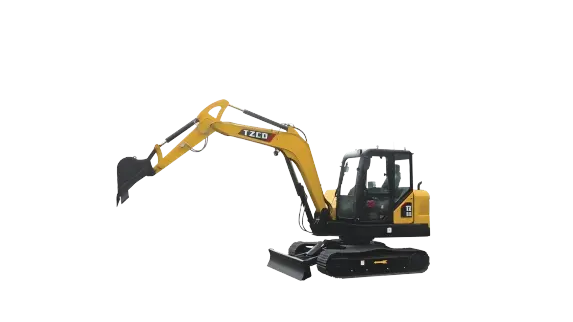
The operating power of a small fuel hydraulic excavator is directly related to the output of the engine. The Yanmar 4TNV94L engine in the TZ60EXD type makes 36.3 kW at 2100 rpm, so it delivers power steadily throughout the workday. This engine powers a hydraulic system that can move up to 144 litres of oil per minute through several loops. The implement circuit works at 24.8 MPa and provides 42 kN of digging force in the bucket and 35 kN of digging force in the arm. This is enough to break through hardened dirt and broken rock forms.
Operating Weight and Ground Pressure Considerations
Mid-size excavators are stable and easy to move around. They weigh 6150 kg and have a 0.23-cubic-meter bucket capacity. The ground pressure is 32 kPa, which spreads weight evenly to keep surfaces from getting damaged on sensitive job sites. In urban repair projects, this standard is especially important because it protects existing sidewalk or planting while dig work is done.
Travel Speed and Gradeability Performance
With a top speed of 4.4 km/h, moving quickly between work areas is possible without using constant transport equipment. The 35-degree gradeability rate lets the machine work on steep ground, which is popular in mine and building jobs on hillsides. A swing speed of 11.9 turns per minute makes sure that cycle times are short when putting items into cars or moving earth that has been dug up.
By knowing these performance measures, buyers can compare models in an unbiased way and choose equipment that works well in the conditions and level of operation that are right for their business.
How to Choose the Right 6t Fuel Hydraulic Excavator for Your Business?
To choose the right mining tools, you need to carefully look at the size of the job, the working conditions, and the company's long-term goals. When this choice is made quickly, equipment that doesn't work well or costs too much to run is often the result.
Matching Machine Specifications to Project Requirements
Different types of businesses have different needs for mining tools. For port activities, tools that can lift a lot of weight and be very stable are needed to move big goods parts. When construction workers need to break through thick earth and caliche layers, they focus on the bucket's breaking force. Manufacturing plants like small sizes because they allow workers to work with the way the plants are set up now while still having enough reach to place materials. First, make a list of the three most common situations that could happen on the job site. Then, make sure that the possible tools meet or exceed the requirements for each scenario.
Evaluating Total Cost of Ownership
The purchase price of a 6t fuel hydraulic excavator only covers the starting cost of the item. How much fuel an item uses has a big effect on how much it costs to run over its lifetime. Modern fuel systems with load-sensing hydraulics use less fuel when they're not working or when they're not doing heavy work. Accessibility for maintenance affects how often things need to be fixed and how much it costs to fix them. For example, engines that are placed so that filters are easy to reach and hydraulic systems with consolidated service points cut down on downtime and labour costs. The TZ60EXD has a two-stage air filtration system with a rotating pre-filter and dual-element fine filtering. This makes the engine last longer and require less upkeep in dirty places like mine and destruction.
Dealer Network and Parts Availability
Even the most effective tools need to be fixed and given new parts after a while. Make sure that your provider has repair shops in your area with trained techs and enough parts. Downtime for equipment directly cuts into the project's profits—for example, a machine that has to wait three weeks for foreign hydraulic parts costs a lot more than the difference in prices between makers. Strong dealer networks offer user training, guarantee service, and expert advice that help equipment work at its best for as long as it's in use.
Different sellers offer a wide range of financing choices, from standard loans for tools to operating leases that keep cash on hand for other business needs. EPC contractors and system designers gain the most from flexible financing that lets them set payment plans that work with the cash flow of the project.
Leading Brands and Supplier Selection Strategies
There are many makers of excavators around the world, and each one has its own technical philosophy and area skills. Knowing these differences helps buyers find sellers whose skills match the goals of their business.
Manufacturer Expertise and Product Differentiation
Established companies make equipment that uses hydraulic systems that have been improved over many years and designs that have been tried in the field. Since 1950, Taiyuan Heavy Machinery Group (TZCO) has been making heavy machinery. They have sent over 40,000 sets of machinery to businesses in more than 70 countries. This long past of release gives tech teams real-world performance data that helps them keep making the product better. TZCO runs a National Key Laboratory and several regional innovation platforms to make sure that their equipment uses the latest technology to save fuel, make operators more comfortable, and make hydraulics work more quickly.
Companies that can use clever production show that they care about quality stability. Two of TZCO's factories are national-level intelligent manufacturing showcase factories that use advanced quality control methods all the way through the construction process. This method cuts down on differences between machines and makes sure that the whole group of machines works reliably.
After-Sales Support and Technical Assistance
Better goods need support systems that are just as good. Look at possible providers' expert response times, guarantee terms, and parts logistics networks when deciding which ones to work with. When equipment needs to be fixed, suppliers with regional stores and mobile service teams keep downtime to a minimum. Training programs that teach operators how to use the machine's specific features increase output and lower the risk of damage caused by operators that isn't covered by the guarantee.
TZCO has a lot of ways to help foreign customers with the small fuel hydraulic excavator. For example, technical literature is available in a lot of languages, and the customer service team knows how to set up tools across borders. This support infrastructure is especially helpful for EPC companies who are working on projects in more than one area. Standardising tools makes it easier to train operators and keep track of spare parts.
Addressing Environmental and Operational Risks
Compliance with regulations and the dependability of operations have a direct effect on the viability and long-term success of a project. When choosing tools, proactive risk management keeps shocks from happening that cost a lot of money during operation.
Emission Standards and Fuel Quality Requirements
The TZ60EXD meets Stage III pollution guidelines, which means it is in line with environmental laws in most big countries. Ultra-low sulphur diesel (ULSD) is needed for engines built to meet these standards to protect fuel injection systems and keep diesel particulate filters working. People who live in places where the quality of the fuel varies should make sure that any tools they are interested in have fuel filter systems that work well in their area. Multistage fuel filter keeps injectors from getting damaged, which lowers engine performance and raises the cost of upkeep.
Fuel System Maintenance and Operational Reliability
Diesel fuel systems need to be serviced every so often to keep working at their best. Water separators need to be drained on a regular basis, especially in damp places where mist builds up in fuel tanks. According to the maker, fuel filters should be changed every 250 to 500 hours of operation, but this can change based on how clean the fuel is and how hard the engine is working. If you don't do these simple upkeep jobs, the engine will wear out faster, the injectors will get clogged, and the total cost of ownership will go up by a lot.
Operator Training and Safety Protocols
The features of equipment don't mean much if the people who use it aren't skilled and know how to use it correctly. In-depth training programs should cover daily check methods, the best ways to operate in different types of dirt, and finding hydraulic system oddities early on that point to problems that are about to happen. When operators are properly trained, they are able to do their jobs more efficiently, which saves fuel, keeps parts from wearing out too quickly, and avoids accidents that hurt people or damage equipment. Putting money into thorough operator training pays off by making tools last longer and increasing productivity on the job site.
Conclusion
When you buy a 6t fuel hydraulic excavator, you need to carefully consider the technical specs, the supplier's skills, and the long-term costs of running the machine. When matched correctly to the needs of the project, 6-ton machines work well in a wide range of industries, including building, mining, energy, and industry. The TZ60EXD is a great example of this type of machine because it has strong hydraulic systems, a reliable Yanmar engine, and design features that balance power with ease of use. A good buying process includes a close look at the specifications and a seller check that puts technical support infrastructure and parts supply first. By taking these things into account in a planned way, companies can get equipment that makes projects more profitable while still being able to be used in a variety of situations.
FAQ
What kind of fuel should I put in my excavator?
Ultra-low sulphur diesel (ULSD) with less than 15 parts per million sulphur is what modern fuel hydraulic excavators need. This fuel standard keeps modern fuel injection systems and pollution control parts safe. If the maker doesn't say it's okay, don't use biodiesel mixes higher than B5 (5% biodiesel). Higher amounts can damage seals and fuel system parts.
What is the best way to change hydraulic fluid?
Depending on the type of fluid and the conditions of use, hydraulic fluid repair times are usually between 2,000 and 5,000 hours. More regular changes are needed in harsh settings with a lot of dust or extreme temperatures. Regular oil analysis can find pollution before it causes damage to the system, which saves you a lot of money on fixes.
Can I get financing from the maker to buy equipment?
A lot of well-known makers work with companies that finance tools or offer their own payment choices. TZCO works with qualified buyers to set up flexible payment plans that work with project cash flows. This lets companies get the tools they need without using up their operating capital.
Partner with TZCO for Your Next Fuel Hydraulic Excavator Investment
TZCO has been making big tools for more than 70 years and also has cutting edge clever production skills. As a reliable provider of 6t fuel hydraulic excavators, we offer machines designed to handle tough jobs in the mining, energy, manufacturing, and building industries. Our TZ60EXD model shows this dedication with high-quality parts, modern hydraulic technology, and design improvements that put the user first. We help foreign customers by providing full expert support, clear communication, and reliable parts logistics that keep your equipment working. Get in touch with our engineering team at tzcoglobal@tz.com.cn to talk about your unique project needs and find out how TZCO tools can improve business efficiency while keeping total ownership costs low. You can look at our whole line of products at tzcoglobal.com and get specific information that fits your business's needs.
References
Smith, J. (2022). Heavy Equipment Selection for Construction Projects: A Practical Guide. Industrial Press.
Anderson, M. & Chen, L. (2023). "Hydraulic System Efficiency in Modern Excavators." Journal of Construction Equipment and Technology, 45(3), 112-128.
Roberts, D. (2021). Total Cost of Ownership Analysis for Heavy Machinery. Equipment Management Institute.
International Standards Organization. (2023). ISO 12117-2: Earth-Moving Machinery - Laboratory Tests and Performance Requirements for Protective Structures. ISO Publications.
Thompson, R. (2023). "Emission Standards and Fuel Quality Requirements for Off-Road Diesel Equipment." Environmental Compliance Quarterly, 18(2), 67-82.
Martinez, P. & Zhao, W. (2022). Procurement Strategies for Industrial Equipment: Risk Management and Supplier Evaluation. Global Business Press.