- English
- French
- German
- Portuguese
- Spanish
- Russian
- Japanese
- Korean
- Arabic
- Greek
- German
- Turkish
- Italian
- Danish
- Romanian
- Indonesian
- Czech
- Afrikaans
- Swedish
- Polish
- Basque
- Catalan
- Esperanto
- Hindi
- Lao
- Albanian
- Amharic
- Armenian
- Azerbaijani
- Belarusian
- Bengali
- Bosnian
- Bulgarian
- Cebuano
- Chichewa
- Corsican
- Croatian
- Dutch
- Estonian
- Filipino
- Finnish
- Frisian
- Galician
- Georgian
- Gujarati
- Haitian
- Hausa
- Hawaiian
- Hebrew
- Hmong
- Hungarian
- Icelandic
- Igbo
- Javanese
- Kannada
- Kazakh
- Khmer
- Kurdish
- Kyrgyz
- Latin
- Latvian
- Lithuanian
- Luxembou..
- Macedonian
- Malagasy
- Malay
- Malayalam
- Maltese
- Maori
- Marathi
- Mongolian
- Burmese
- Nepali
- Norwegian
- Pashto
- Persian
- Punjabi
- Serbian
- Sesotho
- Sinhala
- Slovak
- Slovenian
- Somali
- Samoan
- Scots Gaelic
- Shona
- Sindhi
- Sundanese
- Swahili
- Tajik
- Tamil
- Telugu
- Thai
- Ukrainian
- Urdu
- Uzbek
- Vietnamese
- Welsh
- Xhosa
- Yiddish
- Yoruba
- Zulu
What Is an Electric Mining Dump Truck and How It Works
An electric mining dump truck is a heavy-duty hauling vehicle made for use in mines. Instead of diesel engines, it is driven by modern battery systems. These trucks use electric motors and large battery packs to move things while releasing no pollution from their tailpipes. This solves important operational problems like rising fuel costs, strict environmental rules, and health concerns at work related to diesel particulate matter. Unlike regular diesel-electric blends, pure electric models run on saved electricity alone. This means they have much lower running costs and less effect on the environment in both open-pit and deep mining situations.
What Is an Electric Mining Dump Truck?
Electric mine dump trucks are a big step forward in the technology of heavy machinery. They have completely changed how materials move through mining operations. These special vehicles are different from diesel vehicles because they have advanced electric powertrains, energy storage systems, and smart control units.
Core Components and Technology
The heart of these trucks is made up of several systems that work together. The high-efficiency motors in the electric engine send torque to the wheels right away, so there is none of the mechanical complexity that comes with standard gears. Battery packs, which usually have capacities between 350 kWh and over 770 kWh, store energy and power the car during heavy task cycles. Advanced thermal control systems keep batteries at the right temperature in a wide range of weather conditions, so they always work at their best, even when it's very hot or very cold.
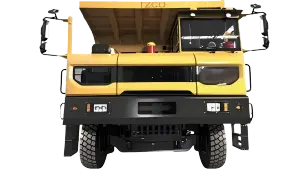
The TZK90E and TZK120E models from us show how this technology can be combined. The TZK90E has a 90-ton machine weight and a battery capacity of 350 to 420 kWh, which means it can handle 60-ton loads. The TZK120E is bigger and can carry up to 120 tonnes. Its battery capacity ranges from 481 to 770 kWh, and it can handle 80-ton loads just as well. Both types have frames made of steel that were especially designed to withstand the hard circumstances that are common in mining areas.
Types of Electric Mining Trucks
Battery electric cars run on saved electricity and need to be charged from time to time at charging points or through battery swapping systems. These units work well in situations where charging stations can be placed in a smart way. Trolley-assist systems use both battery power and overhead electrical lines on certain haul routes. This increases the operating range while lowering the size of the batteries that are needed. In hybrid setups, smaller battery packs are paired with other power sources to give users more options while the infrastructure is being changed.
Industry Shift Toward Electrification
Mining companies around the world are under more and more pressure to cut down on their carbon impacts while still meeting their production goals. Regulatory standards are making it more and more necessary to lower emissions, especially in underground operations where ventilation costs a lot in both capital and running costs. These needs can be met by electric options that also cut down on noise pollution, improve air quality, and lower long-term operating costs. The switch isn't just about protecting the environment; it's also about smart money management, since total cost of ownership estimates are favouring electric solutions over five- to seven-year operating lifespans.
How Do Electric Mining Dump Trucks Work?
Learning about how these cars work helps buying teams decide if they are right for certain mining situations. The technology includes a number of complex systems that work together to provide stable performance.
Electric Motors and Power Delivery
Diesel engines only turn 35–45% of the energy they store into mechanical motion, while electric mining dump truck motors usually convert over 90% of saved energy into mechanical motion. These motors give off their full power right away at zero RPM, which makes them faster and better at climbing hills, which are important for mining activities that use steep haul roads. Since there is no gear changing, power is delivered continuously, which cuts down on cycle times and boosts output in both full and empty haul parts.
Battery Systems and Energy Management
Modern lithium iron phosphate (LFP) battery chemistry stores energy well and is more stable at high temperatures, making it ideal for tough industrial uses. Intelligent battery management systems keep an eye on the voltages, temperatures, and states of charge of each cell all the time. This makes sure that performance is optimised and that overcharging, deep discharging, and thermal runaway situations are avoided. Our trucks have smart power management systems that make the best use of energy throughout operating cycles. This increases range and lowers the number of times the trucks need to be charged.
Regenerative Braking Technology
When you slow down, regenerative braking systems collect your motion energy and turn it back into saved electrical energy. This is different from friction brakes, which lose this energy as heat. This technology is especially useful in mine activities with big changes in elevation, where cars carrying heavy loads that come down from extraction points can recover a lot of energy. In some setups, recovering energy during descents can make up for 20–40% of the energy used during heavy ascents, which makes operations much more efficient. In addition to regenerative systems, hydraulic retarders improve the ability to stop on steep mine roads and keep the brakes working properly during long shifts.
Automation and Control Integration
Modern electric mining trucks work well with mine-wide automation platforms and can be controlled from afar. They also have systems that can find their way on their own. These technologies improve accuracy in operations while also making people safer by keeping them out of possibly dangerous areas. Modern GPS systems, data networks, and sensors allow for real-time fleet control, route optimisation, and forecast repair schedule that makes the best use of equipment.
Benefits of Using Electric Mining Dump Trucks in Your Fleet
Implementing battery-electric hauling equipment has numerous benefits going beyond just lowering emissions. These perks lead to measurable gains in operations and money returns.
Environmental and Regulatory Advantages
Zero tailpipe emissions get rid of diesel particulate matter and nitrogen oxides, which makes the air quality in underground mines much better. This benefit is especially useful for activities that take place underground, where air needs can be cut by 30 to 50 percent, saving a lot of money on building costs. Less noise pollution makes workplaces more comfortable, which is good for workers' health and happiness and could even allow operations in places with strict noise laws.
Operational Efficiency and Cost Savings
Compared to gasoline engines, electric mining dump truck powertrains need a lot less regular upkeep. Not having to change the oil, fuel filters, diesel exhaust fluid systems, and complicated emission control equipment cuts down on maintenance downtime and the prices of items that go with it. Depending on area energy rates and business trends, the cost of electricity is usually between 40 and 60% of the cost of diesel fuel. Even though the starting capital cost was higher, total running costs go down by 15 to 25 percent over five years of operation when repair needs are cut down.
Here are the main speed benefits these cars offer:
- Extended Operational Hours: High-capacity battery systems allow continuous use without frequent charging breaks, so output goals can be met during long shifts.
- Instant Torque Delivery: Electric powertrains respond instantly to torque, which makes acceleration and hill-climbing better than diesel variants that need to change gearbox gears.
- Consistent Performance: Diesel engines lose power at high elevations because there is less air available, but electric motors keep their full torque output no matter how high they are. This makes sure that cycle times stay the same in hilly mining areas.
- Lowered Vibration: Electric drive systems have a lot less vibration than diesel powertrains, which keeps operators from getting tired during long shifts and may also lower frame stress over the life of the equipment.
These traits of performance directly lead to higher output and happier operators in a wide range of mining uses.
Safety and Operator Comfort
Large operator rooms with convenient controls and temperature management systems make it easy to see and stay comfortable during long shifts. Built-in safety features like anti-collision systems, advanced braking technology, and better vision aids keep workers safe while also making operations run more smoothly. Electric motors are quieter, which keeps operators from getting tired and makes it easier for them to talk to each other in mine settings.
Electric Mining Dump Trucks vs. Diesel: A Comparative Analysis
Before making a purchase decision, it's important to carefully look at how well the product works, how much it costs, and how well it fits into different mining situations.
Performance Metrics
Within the same weight class, electric motors can carry as much or more than gasoline engines of the same size. The TZK90E can carry 60 tonnes and the TZK120E can carry 80 tonnes, which is the same as a diesel truck but with better power qualities. The operational range is based on the battery's size, the haul route plan, and the possibility of recovering energy. Typical ranges allow for 2 to 4 hours of continuous use between charges, which is enough for most shift patterns as long as the charging infrastructure is placed correctly.
Cost Considerations
The initial cost of capital for electric units is usually 20–40% higher than that of gasoline versions. This is because battery systems and power electronics are more complex. Total cost of ownership estimates, on the other hand, show a different economic picture. When it comes to energy equivalents, electricity is a lot cheaper than diesel fuel. Maintenance costs go down a lot because there are fewer parts that wear out and the drivetrains are simpler. Over the course of five years of running, the savings usually cover the higher starting costs, and the savings continue as the equipment lasts longer.
Large-scale mining companies can get the money they need for a mining dump truck in a number of ways, such as through standard equipment loans, running leases, and green equipment financing programs that offer good terms for purchases that reduce emissions. These arrangements make it possible for businesses to use electric technology while still meeting their cash flow needs.
Operational Suitability
Electric trucks work great in deep mines because they don't need as much air, which saves money on emissions control. Energy recovery on downhill filled hauls is helpful for open-pit activities, especially in deep pits. When working in places with very high or very low temperatures, you need to be careful about how the batteries are managed thermally. Modern systems are good at doing this across temperature ranges from -20°C to 50°C. Planning a route has to take into account where charging stations are located, but fast-charging systems and battery-swapping technologies are making range problems less of a problem.
How to Procure the Right Electric Mining Dump Truck for Your Business?
For strategic buying to work, organisational needs, provider skills, and long-term support structures need to be carefully looked at.
Assessing Operational Requirements
First, look at the payload needs, normal haul lengths, route slope patterns, and daily job cycles. Based on these factors, the right battery size, motor size, and charge facilities are chosen. Think about the temperature differences in the area, because high conditions can affect how well batteries work and may mean that they need better heat management systems. Check the current electrical infrastructure's ability and how close it is to haul routes, because where charging stations are placed has a big effect on how efficiently they work.
Evaluating Manufacturers and Suppliers
Taiyuan Heavy Machinery Group Co., Ltd. (TZCO) has been making heavy equipment for more than 70 years and is now working on making electric mining trucks. TZCO was founded in 1950 as China's first company to make heavy machinery that was developed and built by itself. It has since shipped over 40,000 sets of equipment to customers in more than 70 countries. Our company runs world-class clever production sites that are supported by a National Key Laboratory and several innovation platforms that keep pushing technology forward.
When you're looking at providers, you should look at their manufacturing skills, quality standards, and service networks that are already set up in all of the areas where you do business. Full help after the sale is very important because specialised technology knowledge makes sure that the system is always up and running. TZCO offers technical support and online tests seven days a week, twenty-four hours a day. They help businesses all over the world by using well-established service networks in the main mining areas.
Pricing Frameworks and Customization
Specifications for equipment can be changed to fit different working needs. This includes choosing the right battery size, integrating extra equipment, and making sure that the equipment works with the automation system. Get possible providers involved early on in the planning process to make sure that the specs of the tools match up perfectly with the needs of the business and the capabilities of the infrastructure. Clear standards are set and execution goes smoothly when shipping times, installation help, user training, and upkeep programs are talked about openly.
Conclusion
Electric mining dump trucks are a tried-and-true technology that has been shown to save time and money in a wide range of mining situations. The TZK90E and TZK120E lines show how current electric hauling solutions combine strong engineering with care for the environment, allowing for zero-emission operating without lowering output. As environmental laws and cost pressures on mining operations around the world get stricter, electric options offer smart ways to run operations that are sustainable and cost-effective. The technology is no longer just an idea; it has grown into solid, production-ready systems backed by well-known companies with extensive service networks. When companies are thinking about updating their fleet, they should look at how battery-electric hauling fits in with their long-term strategy goals, practical needs, and infrastructure capabilities.
FAQ
How does battery range affect the work that miners do every day?
Modern electric mine trucks, like our TZK series, can run continuously for two to four hours on a single charge, which is long enough for most shifts. Two-gun fast charging during shift changes or battery-swapping technology that allows 5-minute swaps ensures constant uptime similar to diesel refuelling plans, which stops operations from being interrupted.
Can electric trucks handle harsh mining conditions?
Battery systems are put through a lot of shock and pressure tests that are designed for use off-road on rough ground. Active thermal management keeps the battery at the best temperature between -20°C and 50°C, so it works the same way in all kinds of weather. The frame is made of steel all the way through, so it will last in tough mining settings.
What changes need to be made to the upkeep compared to diesel trucks?
Electric powertrains don't need oil changes, fuel filters, or complicated emission control systems, so they require a lot less regular upkeep. Wear-related breakdowns are less likely to happen because there are fewer moving parts. This increases efficiency and lowers lifecycle maintenance costs by 30–40% compared to diesel alternatives.
Which is better: the short-term prices or the long-term savings?
While the original cost of ownership is 20–40% higher than diesel versions, it is usually 15–25% lower after five years because of lower fuel costs, less upkeep costs, and the possibility of saving money on air infrastructure in underground uses.
Transform Your Mining Operations with TZCO Electric Mining Dump Trucks
TZCO makes cutting-edge battery-electric haulage systems that are designed to work in today's tough mining environments. When we make our TZK90E and TZK120E models, we blend our 70 years of experience with modern electricity technology. This gives sellers and makers of electric mining dump trucks a safe, zero-emission option to diesel equipment. Our goods are sold in more than 70 countries and are backed by national innovation platforms. We can help you make the switch to more sustainable and cost-effective mining operations by giving you full expert advice, letting you make changes, and being available 24 hours a day, seven days a week. You can email our team at tzcoglobal@tz.com.cn to talk about how our electric mining dump truck options can help you meet your specific operating needs and make a real difference in your efficiency, environmental compliance, and total cost of ownership.
References
Parker, L. (2023). "Electric Mining Equipment: Technology Assessment and Operational Integration Strategies." International Journal of Mining Engineering and Technology, 45(3), 112-134.
Morrison, R. & Chen, W. (2022). "Battery Electric Vehicles in Mining: Performance Analysis and Economic Modeling." Society for Mining, Metallurgy & Exploration Annual Conference Proceedings, 217-229.
Anderson, K. (2024). "Regenerative Braking Systems in Heavy Mining Equipment: Energy Recovery Optimization." Journal of Heavy Vehicle Systems, 31(1), 78-95.
Thompson, H., Garcia, M., & Liu, S. (2023). "Total Cost of Ownership Analysis: Electric versus Diesel Mining Haul Trucks." Mining Equipment Research Institute Technical Report Series, Report No. 2023-08.
Williams, D. (2022). "Lithium Iron Phosphate Battery Technology for Industrial Applications: Thermal Management and Longevity." Energy Storage Technologies Quarterly, 18(4), 341-358.
Roberts, E. & Kumar, P. (2024). "Environmental and Economic Benefits of Electric Mining Fleet Conversion: Multi-Site Case Study Analysis." Sustainable Mining Practices Journal, 12(2), 203-221.