- English
- French
- German
- Portuguese
- Spanish
- Russian
- Japanese
- Korean
- Arabic
- Greek
- German
- Turkish
- Italian
- Danish
- Romanian
- Indonesian
- Czech
- Afrikaans
- Swedish
- Polish
- Basque
- Catalan
- Esperanto
- Hindi
- Lao
- Albanian
- Amharic
- Armenian
- Azerbaijani
- Belarusian
- Bengali
- Bosnian
- Bulgarian
- Cebuano
- Chichewa
- Corsican
- Croatian
- Dutch
- Estonian
- Filipino
- Finnish
- Frisian
- Galician
- Georgian
- Gujarati
- Haitian
- Hausa
- Hawaiian
- Hebrew
- Hmong
- Hungarian
- Icelandic
- Igbo
- Javanese
- Kannada
- Kazakh
- Khmer
- Kurdish
- Kyrgyz
- Latin
- Latvian
- Lithuanian
- Luxembou..
- Macedonian
- Malagasy
- Malay
- Malayalam
- Maltese
- Maori
- Marathi
- Mongolian
- Burmese
- Nepali
- Norwegian
- Pashto
- Persian
- Punjabi
- Serbian
- Sesotho
- Sinhala
- Slovak
- Slovenian
- Somali
- Samoan
- Scots Gaelic
- Shona
- Sindhi
- Sundanese
- Swahili
- Tajik
- Tamil
- Telugu
- Thai
- Ukrainian
- Urdu
- Uzbek
- Vietnamese
- Welsh
- Xhosa
- Yiddish
- Yoruba
- Zulu
What Are Crawler Cranes Used For?
Crawler cranes are specialised heavy-lifting machines that are placed on steel tracks and were made for tough industrial uses. It is very hard for regular mobile cranes to work on building sites, in factories, and on infrastructure projects with uneven ground or heavy loads. But a 150t crawler crane can do these jobs very well. These track-mounted machines spread their weight over a larger surface area, allowing ground pressures as low as 0.107MPa. This makes them essential for working on soft ground, in tight areas, and in situations where heavy lifting needs to be done over and over again with little site preparation. The 150-tonne capacity class is the best mix between strong pulling power and operating movement. It's perfect for medium- to large-scale projects that need both flexibility and reliable performance.
Understanding Crawler Cranes and Their Key Applications
Fundamental Design and Structural Components
Stability and load spread are at the heart of crawler crane design. The machine can move over rough ground without losing its functionality thanks to its two steel tracks on the bottom. The advanced types, like the TZGC150H-1, have a lattice boom structure that can stretch from 16 to 76 meters. This gives them a longer reach without lowering the structural strength. Compared to fixed-boom options, this movable boom system is the most flexible because workers can change the lifting height and radius to fit the needs of each job.
The balancing device is very important for keeping the load balanced while it is being lifted. These weights are placed on the crane's framework in a way that keeps it from tipping over, especially during extended-radius pulls. The slewing system allows for 360-degree movement, which makes it possible to precisely place the load without having to move the whole machine. This feature greatly cuts down on working time on busy job sites.
Construction and Infrastructure Projects
Track-mounted lifting equipment is used a lot in highway and bridge building projects to put together pre-cast concrete pieces and place structural steel parts. With a highest pulling moment of 840t·m, the TZGC150H-1 is great at putting up bridge girders that cross rivers and connect roads. The crane's ability to work next to current tracks while building overhead catenary systems and signal gantries helps with the growth of railway infrastructure.
The ground and room limitations make it hard to use certain types of tools when building a tunnel. Crawler-mounted machines get through tight spaces while working with air systems, strengthening materials, and parts of tunnel digging machines. The uneven spread of low ground pressure keeps the site stable even as project timelines get longer. This keeps the dirt from moving in sensitive geological areas.
Industrial Manufacturing and Plant Assembly
Steel mills and cement companies need unique moving solutions to set up production lines and keep equipment in good shape. The 150-tonne load capacity meets the weight requirements of industrial ovens, kiln parts, and systems for moving materials. The TZGC150H-1's adjustable boom design can be used in a variety of lifting situations in plants, from small rooms inside to large outdoor assembly areas.
These tools are used by petrochemical plants to replace reactor vessels, fractionating columns, and heat exchangers when they are shut down for maintenance. Because the crane can do pick-and-carry tasks, it can move materials quickly across plant areas without having to set up multiple sets of gear. This working efficiency directly leads to lower costs for downtime and shorter repair plans.
Renewable Energy Sector Applications
Construction of wind farms has become one of the main uses for 150-tonne crawler cranes. To put together a turbine, the nacelles, rotor hubs, and blade sets have to be carefully placed at heights of more than 80 meters. The longer boom length and extra jib fittings make these setups possible, and the tracked base keeps the machine stable on the graded hillside ground that is common at wind energy sites.
Building heliostat arrays and receiving tower systems for solar thermal power plants requires a lot of heavy lifting. Because the crane can move between installation zones, it doesn't have to be taken apart and moved over and over again, which greatly shortens project schedules. The ability of the tools to handle pressure tanks, turbine engines, and support systems during initial building and later growth is also useful for geothermal and biomass facilities.
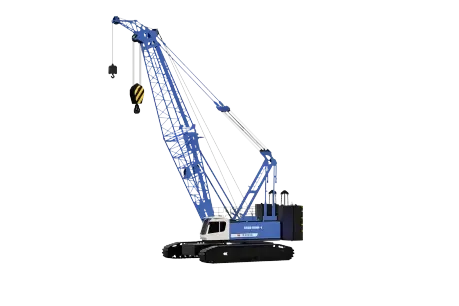
Important Features and Performance Measures for the 150-ton Crawler Crane
Technical Parameters and Operational Capabilities
The TZGC150H-1 has the best specs in its class for 150-tonne tanks. The 16–76-meter range of boom lengths covers the different lifting heights and working circles that are needed at different stages of a project. In normal setup, the maximum raising speed is 130 meters per minute. This lets loads be moved quickly, which boosts work on projects that need to be done quickly. With a slewing speed of 0 to 2.4 turns per minute, you can control the spin to place loads precisely even in crowded workplaces.
The ability to travel at speeds between 0.8 and 1.3 kilometres per hour makes it easy to move around large job sites without using extra transport equipment. This ability to move itself around saves time and money compared to fixed lifting systems that need to be completely taken apart before they can be moved. Specifications for ground pressure are still very important. The TZGC150H-1 keeps 0.107MPa with its basic boom setup, which lets it work on packed dirt without a lot of ground preparation or wood matting.
Engine Performance and Power Systems
Power production is the basis of how well a crane works. The TZGC150H-1 has Cummins QSL9.3-C325-30 engines that are rated at 243kW/2000rpm and provide steady power over a wide range of task cycles. Optional Cummins L9-C325-EU5 versions meet strict European Stage V emissions standards, meeting the needs of projects that need to follow environmental rules in controlled areas. With this two-engine method, buying teams can choose equipment that works well in their area of business and follows the rules.
The cost of running a project for a long time is directly related to how efficiently it uses fuel. Modern hydraulic systems make the best use of power distribution, which means they use less when they're not working or when they're only partially loaded. Advanced load-sensing technology changes the flow of hydraulics based on real-time needs. This keeps quick control traits while reducing energy waste. These saving methods help lower the total cost of ownership, which is an important thing to think about when deciding whether to rent or buy.
Comparative Performance Analysis
Compared to smaller crawler cranes between 80 and 100 tonnes, the 150-tonne class has a much higher lifting capacity at extended angles, so it's not necessary to use extra support equipment or do multiple lifts. Tracked machines are more stable on flat areas than mobile cranes of the same size, and they don't need to be set up with outriggers, which makes large-scale projects more productive.
While tower cranes are good at lifting things vertically within their set working radius, they aren't as mobile or flexible as crawler cranes. The tracked setup works great for tasks that need to be moved around a lot or done in different areas of a work site, like in infrastructure projects and building industrial plants.
Maintenance, Safety, and Operational Best Practices
Preventive Maintenance Protocols
Systematic checking processes for a 150t crawler crane are the most important part of making sure that equipment works well. Every day before an operation, the amounts of hydraulic fluid, the stability of structure parts, and the state of the wire rope should all be checked. During monthly checks, the track support parts must be carefully looked at. Wear on link pins, bushings, and drive sprockets must be measured to find out when they need to be replaced before they break.
Certified techs do full checks once a year that include non-destructive testing of stress points and key welds. Magnetic particle inspection and acoustic testing find cracks below the surface that can't be seen with the naked eye. This keeps structures from falling apart in terrible ways. Using parts made by the original equipment maker (OEM) during service processes protects the capital investment over the duration of the equipment by ensuring compatibility and maintaining guarantee coverage.
The TZGC150H-1 is designed with service spots that are easy to get to and shorten the time it takes to do upkeep. Centralised greasing systems make regular maintenance easier by sending grease to many places at once. Diagnostic tools give real-time information about performance, which lets predictive maintenance methods fix problems before they affect operations.
Regulatory Compliance and Safety Standards
International safety standards must be followed when using big lifting tools. The ISO 4301 classification standards set the safety factors and operating limits for structures that govern how cranes are designed and used. The European EN 13000 standards and the North American ANSI B30.5 standards cover a wide range of safety issues, such as load charts, user training, and site preparation procedures.
In most places, getting certified as a technician is still required. Operators who are skilled know how loads move, can spot dangerous situations, and know what to do in an emergency when things don't go as planned. Training programs teach both theory and practice, making sure that students are proficient in the safety features and control systems that are unique to each piece of equipment.
Operational Safety Measures
As loads get closer to their highest limits, load moment signs stop operations instantly. This is an important safety feature that keeps comparing real loads to stated capacities. Monitoring tools for wind speed let workers know when conditions are too high for safe lifting, which is usually 9.8 meters per second for busy activities. When something unexpected happens, emergency stop devices can shut down right away, saving people and equipment.
How well the site is prepared has a direct effect on working safety. Before moving starts, structural analysis and plate load tests must be done to make sure the ground can support the weight. Keeping work surfaces level or slightly sloped within a 1% range keeps them stable during slewing and raising movements. Setting up "exclusion zones" around the crane's working area keeps people from being close to moving parts and loads that are hung.
Maximizing Value: How 150t Crawler Cranes Solve Complex Lifting Challenges?
Terrain Adaptability and Operational Flexibility
Track-mounted crawler crane setups work best when the ground conditions don't allow wheeled tools to be used. When building a bridge over a muddy river, on unimproved access roads to rural wind farms or on soft soil at a seaside port development, crawler cranes work better than any other type of crane. Spreading out the ground pressure keeps machines from sinking and gets rid of the high costs of preparing the spot for outrigger-based machines.
The crane's small slewing radius and ability to lift vertically make it useful in confined manufacturing settings. When doing repair on a plant that is already running, you have to be very careful around existing buildings and moving production equipment. The TZGC150H-1's adjustable boom design can be used even when there are high obstacles or space limitations that make it impossible to deploy larger equipment. This lets projects stay on schedule without having to shut down the facility.
Lifting Precision and Load Control
Modern hydraulic control systems are very good at moving heavy loads with precision. Proportional joystick controls let workers make small changes during important placement steps, keeping delicate equipment and building parts from getting damaged by touch. Anti-sway technology stops the load from moving around during slewing operations. This is especially helpful when fitting parts that need to be precise or when working close to areas where people are working.
These cranes are great for putting big mechanical systems in working settings because they have a large capacity and good control. Precision is a feature of well-designed crawler cranes that can be used to upgrade manufacturing facilities with newer production equipment, replace old infrastructure parts without tearing down nearby buildings, and do maintenance in small machinery spaces.
Documented Project Success and Return on Investment
Using the right moving tools on infrastructure projects across North America has real benefits. Crawler cranes were used to install precast concrete pieces across a 120-meter span on a recent highway bridge repair. The structure was finished 15% ahead of schedule thanks to efficient moving between pier sites. The builder avoided the costs of an extra crane and cut total project costs, even though the equipment was more expensive.
Developers of wind energy say they save a lot of money when they own tools for multi-farm building projects instead of buying it. One user reported 40% lower lifting costs over the course of a three-year, 200-turbine construction program that bought equipment and spread the cost of it out over several projects. Controlling the supply of tools got rid of schedule problems with rental companies during busy building times, keeping key path timelines.
Those who work in petrochemical repair stress that dependability is the most important thing that drives worth. When equipment breaks down during planned plant shutdowns, the company loses a lot of money because they can't make as much product. The prices of renting new equipment often exceeds the cost of fixing broken equipment. Buying good equipment from well-known brands that has worked well in the past lowers the chance that it will break down. This protects project margins and customer relationships that are built on reliable delivery.
Conclusion
150t crawler cranes can handle important lifting jobs in the energy, building, infrastructure, and industry sectors. These tools are essential for projects that need reliable heavy-lifting options because they can move around easily, lift big things, and work on different types of ground. Technical details like boom length, pulling moment, and ground pressure features have a direct effect on the choice of tools, so they need to be carefully weighed against the project's requirements. Safety rules, following maintenance procedures, and training for operators are all important parts of running a crane well, keeping people safe and extending the life of the equipment. Understanding the market, including the name of the maker, purchase strategies, and total cost, helps people make smart purchasing choices that are in line with project deadlines and organisational goals.
FAQ
What factors decide if a 150t crawler crane is right for my project?
The first step in capacity matching is to look at the largest loads that can be lifted and the lifting circles that are needed for the whole project. For projects with loads that are regularly close to 150 tonnes at long circles, this type of equipment is appropriate. For lighter tasks, smaller machines may be more cost-effective. Conditions on the ground have a big impact on the choice. For example, soft dirt, limited entry, and uneven terrain favour tracked setups over wheeled ones.
How often does a crawler crane need to be checked for maintenance?
Every day, before work starts, vital systems are checked for errors. Every month, wear on wearable parts like wire ropes, hydraulic lines, and chassis elements is checked. Certified techs do full exams once a year that include testing the structure and a close look at each part. Following the manufacturer's recommended repair schedules keeps the equipment reliable and protects the guarantee for the entire ownership time.
Can these cranes work well on building sites in cities that are limited in space?
Access paths, gathering room, and operating clearances need to be carefully planned for urban uses. The TZGC150H-1's modular boom design lets parts be delivered one at a time through limited access points, so it can be put together on-site instead of needing to be transported already put together. Less ground pressure keeps sidewalk damage to a minimum, and precise controls make operation safe near buildings and utility lines that are still active. Coordinating with local authorities about permits and traffic control makes sure that urban spread is legal.
Partner with TZCO for Your Heavy Lifting Solutions
With seven decades of experience making heavy machinery, TZCO brings that skill to every 150t crawler crane we deliver. Our TZGC150H-1 model blends tried-and-true engineering with cutting-edge technology to give your building projects the dependability they need. We know how hard it is for building companies, energy developers, and industry owners to find reliable lifting equipment because we are a trusted crawler crane maker that serves more than 70 countries.
With the help of our national key laboratories and smart factories, we make sure that every machine meets strict quality standards before it gets to your job site. We help you succeed by giving you full expert advice and helping you choose the best options for your project needs. Our team is here to help you every step of the way, whether you're looking at crawler crane suppliers to buy from or you need full technical specs.
Email TZCO at tzcoglobal@tz.com.cn right now to talk about how our crawler cranes can help you with your tough lifting problems. You can look at full specs, download technical paperwork, and get in touch with our application engineers at tzcoglobal.com. They will turn your project needs into reliable equipment solutions
References
American Society of Mechanical Engineers. Crawler, Locomotive, and Truck Cranes Safety Standard ASME B30.5-2018. ASME Press, 2018.
Davies, Martin J. Heavy Lift: Specialized Crane Engineering and Operations. Thomas Telford Publishing, 2017.
International Organization for Standardization. ISO 4301-1:2016 Cranes — Classification — Part 1: General. ISO Standards Catalogue, 2016.
Peng, Weihua and Chen, Liping. "Ground Pressure Distribution and Optimization of Crawler Crane Undercarriages." Journal of Construction Engineering and Management, vol. 145, no. 8, 2019.
Shapiro, Howard I. and Shapiro, Jay P. Cranes and Derricks, Fourth Edition. McGraw-Hill Professional, 2011.
European Committee for Standardization. EN 13000:2020 Cranes — Mobile Cranes. CEN Technical Standards, 2020.