- English
- French
- German
- Portuguese
- Spanish
- Russian
- Japanese
- Korean
- Arabic
- Greek
- German
- Turkish
- Italian
- Danish
- Romanian
- Indonesian
- Czech
- Afrikaans
- Swedish
- Polish
- Basque
- Catalan
- Esperanto
- Hindi
- Lao
- Albanian
- Amharic
- Armenian
- Azerbaijani
- Belarusian
- Bengali
- Bosnian
- Bulgarian
- Cebuano
- Chichewa
- Corsican
- Croatian
- Dutch
- Estonian
- Filipino
- Finnish
- Frisian
- Galician
- Georgian
- Gujarati
- Haitian
- Hausa
- Hawaiian
- Hebrew
- Hmong
- Hungarian
- Icelandic
- Igbo
- Javanese
- Kannada
- Kazakh
- Khmer
- Kurdish
- Kyrgyz
- Latin
- Latvian
- Lithuanian
- Luxembou..
- Macedonian
- Malagasy
- Malay
- Malayalam
- Maltese
- Maori
- Marathi
- Mongolian
- Burmese
- Nepali
- Norwegian
- Pashto
- Persian
- Punjabi
- Serbian
- Sesotho
- Sinhala
- Slovak
- Slovenian
- Somali
- Samoan
- Scots Gaelic
- Shona
- Sindhi
- Sundanese
- Swahili
- Tajik
- Tamil
- Telugu
- Thai
- Ukrainian
- Urdu
- Uzbek
- Vietnamese
- Welsh
- Xhosa
- Yiddish
- Yoruba
- Zulu
Cranes Used in the Automotive Industry
Cranes are essential to the car industry for both manufacturing and transportation. They make it possible to handle everything with great accuracy, from cast body parts to whole powertrains. However, the 80t automobile crane has become one of the most useful moving tools because it can handle all the different needs of current auto factories. Whether you're moving tens of tonnes of press dies into place, moving chassis units along production lines, or handling the movement of heavy parts between warehouse zones, the right crane technology determines how well your operations run and how safe they are. This guide is for buying managers, plant engineers, EPC workers, and OEM procurement teams that want to get the most out of their lifting powers. When you know about the technical details and strategy issues related to these mobile cranes, you can make smart choices that affect production efficiency, worker safety, and long-term investment returns.
Understanding 80t Automobile Cranes in the Automotive Industry
What Defines an 80t Automobile Crane?
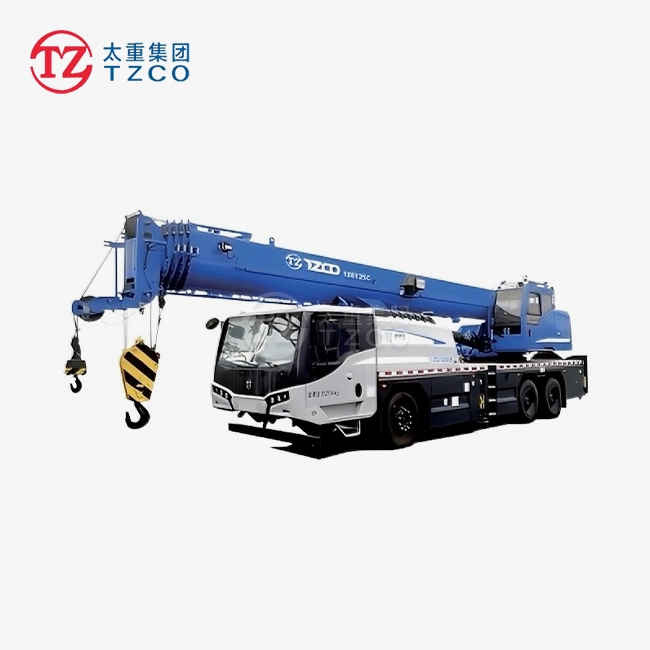
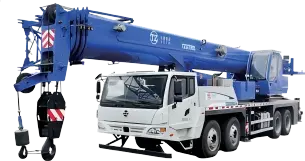
An 80t automobile crane is a mobile lifting machine that is placed on a truck and is designed to have a maximum capacity of 80 metric tonnes at a minimum working radius. Unlike stationary gantry systems or tower cranes, these units can move easily on the highway and have a lot of pulling power. This makes them perfect for auto plants that need to move materials around their large facilities in a flexible way. The TZGT80L model from Taiyuan Heavy Machinery Group is a great example of this type of machine. It has a 50-meter flexible boom, a maximum pulling moment of 3293 kN·m, and a strong frame design that makes it both stable and easy to move. This kind of equipment is in between smaller truck cranes and specialised heavy-lift crawlers. It gives car companies a useful way to handle goods in the assembly hall, repair projects, and plant growth.
Core Applications in Automotive Manufacturing
Lifting problems that are unique to automotive production settings require accuracy and the ability to change. Changing dies on a press line often needs help from a crane. Accurate placement to within millimetres keeps production from being held up, which costs a lot of money. Mobile cranes are useful at chassis assembly stations because they can turn and put heavy frame structures on moving conveyor belts with great accuracy. To remove and repair booth filtration systems that weigh several tonnes, paint shop maintenance workers need to use a crane. These cranes are used for more than just assembly. They are also used for managing vertical storage racks, where parts are stacked at different heights to make the best use of floor space. The TZGT80L's 50-meter reach is very useful in high-bay storage areas that are popular among OEM distribution centers and tier-one suppliers.
Technical Specifications That Matter
An 80-ton mobile crane's performance range is set by a number of factors that affect each other. The TZGT80L's 50-meter capacity lets you work across multi-story production buildings without having to move. The boom length affects the horizontal reach and the vertical lifting height. The TZGT80L's maximum pulling moment of 3293 kN·m shows how stable the crane is when it's loaded, which is very important for safety when working with loads that aren't aligned or when the boom is stretched. The design of the counterweights directly affects stability. The TZGT80L comes with 20 tonnes of weight as normal and an extra 5 tonnes can be added as an option. This lets users combine the need for capacity with the limitations of site access. The TZGT80L's 294kW engine powers the hydraulic system, which provides the pressure and flow needed for the boom to extend, rotate, and lift loads all at the same time. This is necessary for planned pulls that need to be done quickly.
Operational Principles and Key Components
Knowing how construction crane work helps buying teams figure out how reliable they are and how much care they need. The hydraulic telescoping boom stretches through stacked parts. Each section has wear pads and guide rollers that make sure the extension is smooth and stable when it's under load. The slewing mechanism, which is usually a planetary gearbox, lets the machine turn 360 degrees while keeping precise position control, which is important for getting through narrow production lanes. Load sense systems constantly compare the lifting moment to safety limits that have already been set. If the limits are reached, the system stops activities immediately. The TZGT80L's frame has a length that is 1500+4300+1350 mm. It spreads the weight across multiple wheels to meet rules for highway hauling while also giving the stable base needed for heavy lifts. Taiyuan Heavy Machinery Group has been making machines for more than 70 years, and this combined design theory makes sure that all of the parts work well together as a whole.
Key Performance and Safety Considerations for 80t Automobile Cranes
Load Chart Accuracy and Lifting Parameters
Following maker load charts exactly is the first step to operational safety in car shops. These papers give accurate lifting abilities for all combinations of boom length, angle, and support set-up. The TZGT80L can hold up to 80 tonnes at its smallest radius, with the boom fully retracted. When the boom is extended to its full 50-meter length, it significantly lowers its capacity due to the laws of leverage. Plant managers need to teach workers how to use the crane's load moment indicator system correctly so that it can figure out real-time safety limits. In automotive uses, uneven loads are common, like engine blocks with bearing points that aren't lined up perfectly. This means that extra safety measures need to be taken. Lift plans that are properly documented, including load weights, center of gravity estimates, and weather conditions, set the standards for responsibility that are needed to meet audit and insurance requirements.
Maintenance Strategies for Maximum Uptime
Schedules for making cars don't allow for much unexpected downtime for equipment, so regular repair is a must. According to ISO 4309 standards, the state of the hydraulic hose, the position of the boom section, and the integrity of the wire rope should all be checked every day. If six randomly distributed broken wires show within the diameter length of a rope, the rope must be replaced. Hydraulic oil samples are usually taken every month as part of routine maintenance to find contamination before it causes damage to the pump. Every year, the structure is loaded to 1.25 times its rated capacity to make sure it is still solid. Service spots on the TZGT80L are easy to get to, and the hydraulic parts are flexible, which cuts down on the average time it takes to fix. Procurement teams should look at maker support networks. TZCO's position in more than 70 countries makes sure that parts are always available and that technical help keeps downtime to a minimum. Partnering up with authorised service providers gives you the quick reaction time you need when production lines rely on cranes being available.
Safety Protocols for High-Stakes Environments
There are a lot of safety issues in auto plants, from power lines hanging over outdoor storage yards to small areas in assembly halls. Comprehensive safety programs must include areas where people are not allowed to be when using an 80t automobile crane. These areas are usually estimated as the swing radius plus ten feet to account for the movement of the load pendulum. Stability is affected by the ground. For example, asphalt that is too soft in the summer or concrete pads that aren't level need designed cribbing solutions under the outriggers. When working with big parts like body panels, environmental factors like wind speed become very important. Usually, work stops when the wind speed goes above 9.8 m/s. The TZGT80L has many safety features, such as stable control systems, emergency stop functions, and designs for the operator area that make it easier to see in all directions. Safety checks that follow ASME B30.5 guidelines on a regular basis help facilities find gaps in their procedures before they become problems. This protects both the people who work there and the large amounts of money that these machines represent.
Comparing 80t Automobile Cranes: Making an Informed Procurement Decision
Capacity Considerations: 80t Versus Lighter Models
To choose the right crane size, you need to carefully look at how much you plan to lift. It's cheaper to buy and run a 50-ton mobile crane, but it might make it harder for your facility to handle future updates to production equipment or tools. As automakers try to make bigger panels, automotive press dies keep getting bigger. When teams don't know how much capacity they have, they have to improvise with twin lifts, which increases the safety risks. The 80-ton capacity class has enough space for big lifts once in a while while still being efficient for 30–40-ton activities on a regular basis. Looking at your biggest expected loads over the next five years, including repair equipment and building changes, will give you the information you need to choose the right size. The TZGT80L's design with an extra counterweight gives operators some freedom, letting them shorten the time it takes to set up for smaller pulls while still being able to do full-capacity operations when needed.
Boom Configuration: Telescopic Advantages
The flexible boom form in the TZGT80L has clear benefits for use in vehicle settings. Lattice boom cranes need to be put together on-site, but flexible units are ready to use as soon as they are set up. This quick rollout is very helpful for short-term lifts during tight production windows or shift changes. The hydraulic extension system lets the operator make exact changes to the reach from the cabin, so there is no risk to the ground crew while the boom is being set up. Telescopic booms are better at getting through doors and between structural columns than lattice sections. This is often needed to make older car shops work with modern equipment that wasn't built for those sizes. The TZGT80L's short transport footprint (14,990mm overall length) lets it move between plants without being taken apart, which helps contractors who work with spread manufacturing networks.
Evaluating Manufacturers and Brand Reputation
There are both well-known and new companies in the global construction crane market, and each one offers something different. European brands like Liebherr are considered expensive because their tech has been improved over many years and they have large partner networks. This makes them perfect for businesses that want to make sure their machines are up and running all the time and get a lot of help from the factory. Asian companies like XCMG, Sany, and Zoomlion have gotten a big part of the market by making products that work well and have low total costs of ownership. TZCO is China's first company to make heavy machinery. It combines 70 years of industrial history with modern manufacturing skills that have been recognised with "Lighthouse Network" title and national intelligent manufacturing awards. This institutional experience helps the TZGT80L, which also has green economy technology and improved safety systems. When purchasing something, teams should look at more than just the original terms. They should also look at the whole lifecycle support environment, which includes things like the availability of parts, professional training programs, and how quickly warranties are honoured. This will help them figure out how much the equipment will really cost to run over its 15 to 20-year lifetime.
Procurement Guide: How to Buy or Rent an 80t Automobile Crane?
Identifying Qualified Suppliers and Distribution Networks
Doing your research on suppliers is the first step to getting a crane that works well. Authorised sellers offer guarantees backed by the manufacturer, original replacement parts, and techs trained on particular model systems. These are big benefits over dark market equipment that might not come with paperwork or support systems. With offices in more than 70 countries around the world, TZCO is able to provide localised support for the TZGT80L. This includes overseeing installation, teaching operators, and providing ongoing technical advice. Teams in charge of buying things should check that suppliers are certified, look at customer examples from similar car uses, and see how quickly the suppliers promise to respond to service requests. Because modern crane systems are so complicated, especially the electronics and hydraulic controls that track loads, keeping in touch with the maker is useful long after the sale is over. Regional differences in legal requirements, like OSHA compliance paperwork in the US, mean that sellers need to have a track record of being able to work within these frameworks.
Financial Structures for Corporate Buyers
When buying Crane, a lot of money is being spent, so it's important to do more than just compare purchase prices. When you buy new equipment, you get a full protection and the newest technology, which can help you save money on fuel and meet emission standards, which affect your running costs. Used crane markets let buyers get tested machines for less money at first, but buyers need to think about the costs of inspection and possible repairs. Lease agreements help you save money for other investments and save on taxes by letting you treat operating costs differently. Industrial equipment financing programs, which are often offered through partnerships with manufacturers, set up payments that are in line with how much the equipment is used and how much money it makes. To find the best financial strategy for their company, procurement professionals should consider the total cost of ownership over the expected service life, taking into account upkeep funds, retirement plans, and leftover value forecasts.
Rental Versus Ownership Decision Framework
The choice of whether to rent or buy depends on how the space will be used and what the long-term goals are. Automobile factories that need to move materials all the time during multiple shifts usually get lower per-hour costs by owning their equipment and spreading out the cost of ownership over thousands of working hours each year. While retooling or expanding, plants may need to do heavy work from time to time. To save money, they may find it more cost-effective to rent the equipment instead of buying it and moving it around. Rental groups let you use specialised setups without making a long-term commitment, which is helpful when you aren't sure what the project needs yet. However, rental access during times of high demand can make it harder to change schedules, which could slow important production tasks. When you own an item, you have full control over its availability and care standards. This makes sure that the TZGT80L stays set up and positioned to meet your exact operating needs. For many car businesses, a mixed approach—owning core capacity while hiring extra equipment for high demand—is the best way to balance cost-effectiveness with operating freedom.
Conclusion
Choosing and using 80t automobile cranes in factories that make cars is a difficult task that involves technical performance, safety systems, financial structures, and long-term strategy alignment. The TZGT80L from Taiyuan Heavy Machinery Group shows how modern mobile cranes combine a large lifting capacity with the movement and accuracy needed in today's car industry. To be successful, you need to look at more than just the specifications. You need to look at the whole lifespan value, which includes the maker support infrastructure, the operator training environments, and how well the repair program works. As the production of cars moves toward electric vehicles and more advanced manufacturing methods, crane systems must be able to work right away and be able to change to new needs in the future. When procurement professionals make these kinds of choices, they need to carefully weigh the needs for capacity, safety, cost-effectiveness, and up-to-date technology. By doing this, they set their companies up for long-term competitive edge through better material handling.
FAQ
How much can an 80t automobile crane actually lift when the boom is fully extended?
The 80-ton number only applies at the smallest working radius, which is usually about 3 meters when the boom is fully retracted. When the TZGT80L's boom is fully extended to its maximum length of 50 meters, it can only lift a few tonnes at most. This is because of limits on steadiness and force. For accurate limits at each specific boom design and outrigger setup, operators must look at the manufacturer's load chart. For automotive uses, it is best to plan lifts with careful safety gaps below chart maximums. This is especially important when working with loads whose center of gravity is unknown or in small areas where the crane can't be placed perfectly.
What effects do outrigger designs have on safety and capacity?
Setting up the outriggers has a big effect on how stable the crane is and how much weight it can lift. The TZGT80L has outrigger lengths that can be adjusted to fit different site conditions. However, the load chart values are different for each setup. Full span spacing, which usually has a width of about 7 to 8 meters, gives you the most security and capacity. On the other hand, reduced span settings are better for tight areas but need lower capacities. Operators must correctly enter the real outrigger arrangement into the load moment indicator system. Using full-span load charts while working with a half-span extension causes an instant risk of tipping. Preparing the ground under the outrigger pads, such as by cribbing properly on soft or uneven surfaces, makes sure that the crane stays stable within its design limits.
How often should wire rope and hydraulic equipment be serviced?
According to ISO 4309 standards, wire rope needs to be visually checked every day for broken wires, kinking, rust, or deformation. If six randomly distributed broken wires show within one rope diameter length, the rope must be replaced right away. Regular oil sampling is needed in hydraulic systems—usually every 500 hours of operation—to find contamination before it damages the pump. As part of a full check once a year, the crane should be loaded to 1.25 times its stated capacity and important boom welds and structural parts should be tested without damaging them. The TZGT80L's maintenance plan is spelt out in detail in the manufacturer's literature. It includes specific service times based on working hours and weather conditions. For example, dusty car factory settings need cleaning more often.
Partner with TZCO for Your Automotive Crane Solutions
TZCO is ready to help your car manufacturing processes with the tried-and-true TZGT80L mobile crane and a wealth of technical knowledge gained over the past three decades. As China's first company to make heavy machinery, we offer world-class manufacturing capabilities, such as Lighthouse Network sites and clever production lines, along with customer-focused service that lasts the entire duration of the equipment. If you need a reliable 80t automobile crane provider for a single unit or a whole fleet, our team can help. We offer thorough technical specs, application engineering support, and cheap commercial terms that are tailored to the needs of corporate sourcing. Our location in more than 70 countries around the world means that we can quickly provide parts and expert support wherever your operations need it. Get in touch with our experts at tzcoglobal@tz.com.cn to talk about your unique lifting needs, look at the different TZGT80L setups, and come up with custom solutions that will get the most out of your material handling investments.
References
Society of Automotive Engineers. Mobile Crane Safety Standards for Automotive Manufacturing Facilities. SAE International Technical Paper Series, 2022.
International Organization for Standardization. ISO 4309: Cranes - Wire Ropes - Care and Maintenance, Inspection and Discard. Geneva: ISO Standards Publishing, 2020.
American Society of Mechanical Engineers. ASME B30.5: Mobile and Locomotive Cranes Safety Standard. New York: ASME Press, 2021.
Chen, W., & Liu, S. Heavy Lifting Equipment in Modern Automotive Production: Technical Evolution and Application Guidelines. Journal of Manufacturing Systems Engineering, Volume 45, Issue 3, 2023, pp. 287-304.
European Crane Manufacturers Association. Load Moment Indicators and Rated Capacity Limiters: Technical Requirements and Operational Best Practices. Brussels: ECMA Technical Publications, 2021.
Thompson, R. Strategic Equipment Procurement for Automotive Industry: Financial Models and Total Cost of Ownership Analysis. Industrial Management Quarterly, Volume 38, Number 2, 2022, pp. 112-135.