- English
- French
- German
- Portuguese
- Spanish
- Russian
- Japanese
- Korean
- Arabic
- Greek
- German
- Turkish
- Italian
- Danish
- Romanian
- Indonesian
- Czech
- Afrikaans
- Swedish
- Polish
- Basque
- Catalan
- Esperanto
- Hindi
- Lao
- Albanian
- Amharic
- Armenian
- Azerbaijani
- Belarusian
- Bengali
- Bosnian
- Bulgarian
- Cebuano
- Chichewa
- Corsican
- Croatian
- Dutch
- Estonian
- Filipino
- Finnish
- Frisian
- Galician
- Georgian
- Gujarati
- Haitian
- Hausa
- Hawaiian
- Hebrew
- Hmong
- Hungarian
- Icelandic
- Igbo
- Javanese
- Kannada
- Kazakh
- Khmer
- Kurdish
- Kyrgyz
- Latin
- Latvian
- Lithuanian
- Luxembou..
- Macedonian
- Malagasy
- Malay
- Malayalam
- Maltese
- Maori
- Marathi
- Mongolian
- Burmese
- Nepali
- Norwegian
- Pashto
- Persian
- Punjabi
- Serbian
- Sesotho
- Sinhala
- Slovak
- Slovenian
- Somali
- Samoan
- Scots Gaelic
- Shona
- Sindhi
- Sundanese
- Swahili
- Tajik
- Tamil
- Telugu
- Thai
- Ukrainian
- Urdu
- Uzbek
- Vietnamese
- Welsh
- Xhosa
- Yiddish
- Yoruba
- Zulu
What Is a Fuel Hydraulic Excavator? It's Uses and Key Benefits
The 55t fuel hydraulic excavator is the standard for efficiency and dependability in the industry. It is used in mining and large-scale building projects that need both power and accuracy. These strong machines use a diesel engine and advanced hydraulic systems to turn fuel energy into controlled, high-force movements needed for digging, loading, and moving materials in the toughest conditions. The 55-ton class is highly sought after because it strikes the perfect mix between being strong enough to handle broken rock and heavy ore and being small enough to move around on tight sites where very big machines can't work well.
Understanding Fuel Hydraulic Excavators: Definition and Core Components
A fuel hydraulic digger works with a unified system that changes the burning of diesel into precise hydraulic movement. Unlike mechanical models that use wires and pulleys or electric models that are attached to power sources, fuel-powered hydraulic excavators can work on faraway job sites without being tied down. Variable displacement piston pumps are powered by the diesel engine. They make pressurised hydraulic fluid, which runs through control valves to cylinders that power the boom, arm, bucket, and tracks.
The 55-Ton Class Architecture
Machines that weigh between 52,000 kg and 57,000 kg fall into the 55-ton weight group. The engines in these excavators are usually rated between 250 kW and 300 kW, which is enough power to keep the hydraulic pressure up when the machine is loaded with big things. The buckets can hold between 2.5 and 3.5 cubic meters of stuff, which is just the right size to load 30 to 50-ton haul trucks quickly and efficiently in four to six passes. This cuts down on truck rest time and boosts fleet efficiency.
The powerplant, hydraulic system, chassis, and operator station are some of the most important parts. Modern engines meet pollution standards for Stage III or Tier 4 and use high-pressure common rail fuel injection to burn fuel more efficiently. Two main pumps provide more than 700 litres of hydraulic flow per minute, which lets multiple functions run at the same time without affecting performance.
Hydraulic System Technology
Positive flow control or load-sensing systems are used in more advanced hydraulic designs. Instead of keeping the maximum output constant, these technologies change the pump's displacement depending on how much work needs to be done. This cuts down on parasitic losses and fuel use by about 12–18% compared to older fixed-displacement designs. When the boom lowers and the arm retracts, regenerative circuits collect energy. They then reuse pressurised oil to speed up following actions without putting more stress on the engine.
For digging, the hydraulic application circuit usually works at 34 to 35 MPa. The swing circuits, on the other hand, work at lower pressures, around 27 MPa, so they can control the spin smoothly. This design with multiple pressures improves speed across a machine's tasks while keeping parts safe from too much stress.
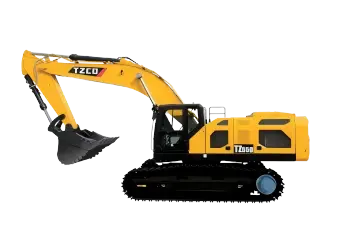
Uses and Applications of 55t Fuel Hydraulic Excavators in Industry
Large fuel hydraulic excavators are very important in many fields where efficiency, sturdiness, and operating freedom are what make a project possible. When B2B buying teams look at the total cost of ownership, they look closely at measures like cycle times, fuel consumption per tonne moved, and equipment usage rates.
Surface Mining and Quarrying Operations
Large fuel hydraulic excavator are used in open-pit mines to remove the debris and load the metal. The machines are set up on benches and work nonstop. They handle blasted material that has a lot of mud or water in it, which is hard for smaller machines. Their bucket digging forces are more than 300 kN, which lets them break through packed or partially broken-up material. This means that they can keep producing even when blast patterns aren't ideal.
Quarry owners like that the digger can add different types of material carefully. With the exact hydraulic control, workers can sort dirt, waste, and usable rock all in one pass. This cuts down on pollution and the costs of processing further down the line. Track sizes between 600 and 900 mm spread out the machine's weight so that ground pressures of 90 to 100 kPa are reached. This keeps the pit floors from getting too rutted when it rains.
Heavy Infrastructure Development
Moving millions of cubic meters of dirt on short notice is needed for building highways, dams and rail lines. This class of excavators is used by contractors for large-scale mining, deep base work, and trenching for large-diameter pipelines. With a reach depth of 6.5 to 7.5 meters, the machines can dig for bridge pier foundations or utility passageways in a single pass, without having to move.
When expanding ports or building shipyards, these excavators are used to move dredged materials and prepare the site. They are used in places with high groundwater levels and marine clay soils that need tools with a lot of steadiness and hydraulic power reserves. They can work in four seasons, in temperatures ranging from -25°C to +50°C, so they can keep to the plan no matter what the weather is like.
Industrial Demolition and Scrap Processing
With tools like hydraulic breakers, pulverisers, or shears, excavators in this class can take down reinforced concrete buildings, process scrap metal, and get waste areas ready for rebuilding. High-impact tools can be used on a stable base thanks to the machine's mass, and devices weighing between 5 and 7 tonnes can be attached without affecting cycle times or stability.
These tractors are used by steel mills and cement plants to move materials around in the production areas, move raw materials, keep track of stockpiles, and help with maintenance tasks. Their raised cab designs give workers a clear view of material piles and plant infrastructure, which makes crowded industrial areas safer.
Key Benefits and Advantages of 55t Fuel Hydraulic Excavators
When builders and industrial owners choose tools in this weight group, they get real benefits that affect the cost of projects and their ability to compete.
Operational Efficiency and Productivity
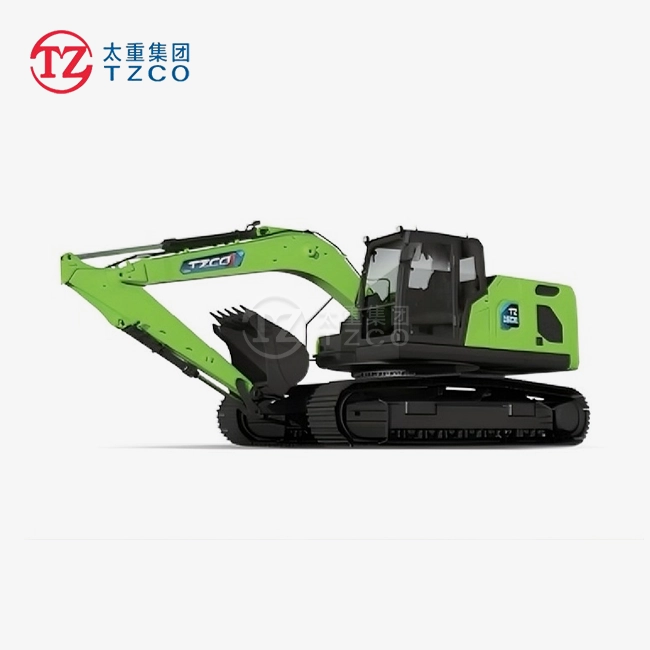
Excavators like the TZ550EXD are very productive because they have a good mix between bucket size and machine manoeuvrability. A single machine can load a 40-ton truck in about four to five passes, with a bucket capacity of 3.2 cubic meters and a digging force of 310 kN. Under normal conditions, the cycle can be finished in less than three minutes. This loading ratio cuts down on truck lines and makes the most of the fleet's use, which is important since moving equipment costs 40 to 60 percent of mine operations.
How much fuel is used is directly related to how well the hydraulic system works. Under normal load conditions, modern excavators use about 35 to 45 litres of fuel per hour. When cost per tonne moved instead of fuel burnt per hour is used to measure output, these machines regularly do a better job than several smaller loaders that move the same amount of material. This is because they require less labour, are easier to move, and require less upkeep.
Structural Durability and Component Longevity
Heavy building and mining put a lot of stress on machines like the 55t fuel hydraulic excavator. Excavators made for these uses have X-frame undercarriages with strengthened track frames, high-tensile steel structures robotically welded into the boom and arm structures, and stress-relieved casts at the hinge points. These technical improvements make the structure last up to 15,000 to 20,000 hours of use before major parts need to be replaced.
The TZ550EXD is a good example of this method because it has a strengthened boom and arm, wide cross-section structural members, and large-capacity filter systems that keep the engine and hydraulic parts safe from the rough dust and dirty fuels that are common at remote sites. The heavy-duty four-wheel track system with double rollers and heavy-duty tracks evenly spreads loads, which lowers the rate of track component wear and increases the time between replacements.
Operator Comfort and Safety
The efficiency of equipment is directly related to how well operators do their jobs over long shifts. Modern cab designs have HVAC systems made for cars, air suspension seats, low-vibration isolation mounts, and easy-to-use tablet controls that keep operators from getting tired. Large glass areas that make it easier to see and common backup camera systems make the area around ground staff and mobility equipment safer.
The benefits of ergonomics show up in practical results. When workers are comfortable, they can focus better, make fewer mistakes, and keep cycle times more consistent over the 10 to 12 hour shifts that are typical in mine operations. Less tiredness also makes things safer by lowering the number of accidents and the costs that come with them.
Maintenance Tips, Common Problems, and Troubleshooting for 55t Fuel Hydraulic Excavators
To get the most use out of your tools, you need to plan ahead for repair and move quickly on new problems before they cause unplanned downtime.
Preventive Maintenance Protocols
Keeping the oil clean to ISO 4406 norms is important for the health of the hydraulic system. Taking samples of the oil every 250 hours shows patterns of contamination before they cause damage to the parts. The main pump should last between 12,000 and 15,000 hours if the oil is kept clean, but only 6,000 to 8,000 hours if this is not done.
Maintenance on engines is usually done every 250, 500, or 1,000 hours, depending on the maker. In dusty mine areas, air filter upkeep is very important because clogged filters lower engine power and raise fuel consumption by 8–12%. The TZ550EXD's Cummins X12S3A375 engine has longer service intervals if it is used with good diesel fuel and its filters are kept clean.
Track and chassis parts need to be visually checked every day and measured in a planned way every 500 hours. Track tightness affects both the life of parts and the amount of fuel used. Loose tracks lose energy through movement and speed up the wear on bushings, while too tight of a change puts more stress on roller and idler bearings.
Common Operational Issues
In tough settings, hydraulic leaks are the most common problem. Extreme temperature damage to O-rings, side loading that wears down cylinder seals, and line wear from touch with structure parts all lead to fluid loss and poor performance. By using a planned maintenance method that checks high-wear areas on a regular basis, small leaks can be stopped before they get so bad that the cylinder needs to be replaced.
When an engine gets too hot, it's usually because the cooling system hasn't been taken care of. This can lead to clogged radiator cores, broken thermostats, or worn water pump impellers. In mine uses, 90% of temperature problems can be avoided by cleaning the radiators every 250 hours. The TZ550EXD's big cooling system gives it enough thermal buffer to run continuously, but it still needs to be serviced regularly.
Sourcing Genuine Components
Large fuel hydraulic excavator reliability and life-cycle costs are directly affected by the quality of the parts. OEM standards are followed when making genuine parts to make sure they fit correctly and have good quality materials. Purchasing managers should build ties with authorised wholesalers who keep critical wear parts in stock. This will cut down on part wait times that make downtime longer when parts fail.
Access to after-sales help is especially important for businesses that are located in rural areas. Established service networks and technical support infrastructure from manufacturers cut down on the time needed to figure out what's wrong and make sure that the right steps are taken to fix it. This protects equipment guarantees and keeps leftover values high for when the equipment is sold or traded in again.
How to Choose and Procure the Best 55t Fuel Hydraulic Excavator?
To get the best total cost of ownership over the machine's useful life, strategic equipment selection needs to look at more than just the original buy price.
Technical Specification Evaluation
Matching the powers of the tools to the needs of the application stops both under-specification and over-specification, which loses money and time. Some important factors are the digging force of the bucket, the hydraulic flow capacity, the reach measurements, and the ground pressure features. In mining, digging power and structural longevity are important, while in building projects, reach and precise control may be more important.
The TZ550EXD's specs show that it was well-balanced. Its 280 kW rated power, 310 kN bucket digging force, and 414 litres per minute dual pump flow give it performance that's on par with top global brands. The Cummins engine has been proven to be reliable, and parts are easy to find all over North America. This makes help easier for activities in the United States.
Supplier Evaluation and Support Capabilities
Long-term support is likely if the manufacturer has a history and a position in the market. Taiyuan Heavy Machinery Group has been making machines for 70 years and has sent more than 40,000 sets of equipment all over the world. This shows that they have strong technical knowledge and can keep up with their operations. Being named a production Single Champion Enterprise at the national level is proof of the quality of the products and the control of the production process.
For specialised tools, the technical support system is very important. Companies with dedicated its R&D (research and development) facilities, like TZCO's National Key Laboratory and 27 regional innovation platforms, are always making product ideas better and can help with application engineering for specific project needs. This level of technical detail is helpful when the equipment needs to work in harsh circumstances or with special additions.
Financial Structuring and Logistics
Buying tactics are different depending on how long the job will take, how much money is available, and how much the tools is expected to be used. Direct buy lowers long-term costs for ongoing operations, while leasing or renting works better for short-term projects or gives businesses more options when the market is unsure. A lot of manufacturers offer payment options that protect access to tools while keeping working cash safe.
Shipping plans, customs clearance, and preparations on-site all need to work together in international operations. Manufacturers with a history of exporting to more than 70 countries know how to handle paperwork and have good ties with carriers that cut down on transport times and legal problems. Knowing when things will be delivered during the design phase keeps projects from being held up by longer lead times for tools.
Conclusion
The 55t fuel hydraulic excavator class is the workhorse of mining, infrastructure, and big industry projects that need to be productive. Its performance, longevity, and low running costs give it a competitive edge. These machines have the power for tough jobs, but they are also easy to move and use little fuel, which makes the project more cost-effective. Improvements in hydraulic systems, engine economy, and structural engineering have steadily increased potential while lowering damage to the environment by using less fuel and releasing fewer pollution. When buying equipment, it's important to find a mix between technical specs, the supplier's skills, and the company's finances. This way, the machine's features can meet daily needs and long-term strategy goals.
FAQ
In general, what kinds of fuel do 55t fuel hydraulic tractors use?
The ultra-low sulphur diesel (ULSD) that these trucks use meets the requirements of ASTM D975. To keep exhaust after-treatment systems safe, Stage III and Tier 4 engines need fuel with less than 15 parts per million (ppm) of sulphur. Some operators use biodiesel mixes up to B20 (20% biodiesel) as long as the maker says it's okay to do so. However, the performance in cold weather and compatibility with seals need to be looked at.
How does the amount of fuel used compare to electric or hybrid excavators?
Under normal load conditions, diesel hydraulic excavators use 35 to 45 L/h. Electric types don't need fuel, but they do need to be connected to the grid, which limits how they can be used. Hybrid tractors use 15–25% less energy because they have energy recovery systems, but they cost more to buy and need new batteries more often, which affects the total cost of ownership. Diesel types are still the best choice for mine spots that are far away and don't have access to the power grid.
What kinds of support should buyers expect from makers' warranties?
For structural parts, standard warranties usually last for 12 months or 2,000 working hours. Engine and hydraulic pump guarantees are based on the terms set by the component maker. There are programs that offer longer warranties for an extra fee. To keep the warranty valid, upkeep must be recorded and done at regular times using approved oils and authentic filters. To protect coverage, buying teams must budget for and plan for these conditions.
Partner with TZCO for Your Heavy Equipment Needs
TZCO has been making high-quality heavy machinery for 70 years, and we bring that experience to every 55t fuel hydraulic excavator we deliver. The TZ550EXD has proven Cummins power, cutting-edge hydraulic technology, and mining-grade structure engineering to handle the most difficult drilling tasks. We are a well-known seller whose products are used in more than 70 countries. We know how important it is for your business to have access to expert help and spare parts. Our smart factories and support from the National Key Laboratory make sure that the equipment we build for you meets the highest quality standards. You can email our team at tzcoglobal@tz.com.cn to talk about how our excavators can be used in your unique situation, or you can visit tzcoglobal.com to look at full specs, funding options, and delivery times that fit your project plan.
References
Society of Automotive Engineers (SAE). "Hydraulic Excavator Performance Criteria and Testing Standards." SAE J1179 Standard, 2021.
Association of Equipment Manufacturers. "Diesel Engine Emission Regulations Impact on Heavy Construction Equipment." AEM Technical Report Series, 2022.
International Journal of Mining Engineering. "Productivity Analysis of Large Hydraulic Excavators in Surface Coal Mining Operations." Vol. 38, Issue 4, 2023.
Construction Equipment Association. "Total Cost of Ownership Models for Heavy Excavation Equipment Procurement." CEA Industry White Paper, 2023.
Journal of Hydraulic Systems Engineering. "Advances in Load-Sensing Hydraulic Control Systems for Mobile Equipment." Vol. 29, No. 2, 2022.
Mining Equipment Manufacturers Association. "Maintenance Best Practices for Heavy Duty Hydraulic Excavators in Harsh Environments." MEMA Technical Bulletin 147, 2023.