- English
- French
- German
- Portuguese
- Spanish
- Russian
- Japanese
- Korean
- Arabic
- Greek
- German
- Turkish
- Italian
- Danish
- Romanian
- Indonesian
- Czech
- Afrikaans
- Swedish
- Polish
- Basque
- Catalan
- Esperanto
- Hindi
- Lao
- Albanian
- Amharic
- Armenian
- Azerbaijani
- Belarusian
- Bengali
- Bosnian
- Bulgarian
- Cebuano
- Chichewa
- Corsican
- Croatian
- Dutch
- Estonian
- Filipino
- Finnish
- Frisian
- Galician
- Georgian
- Gujarati
- Haitian
- Hausa
- Hawaiian
- Hebrew
- Hmong
- Hungarian
- Icelandic
- Igbo
- Javanese
- Kannada
- Kazakh
- Khmer
- Kurdish
- Kyrgyz
- Latin
- Latvian
- Lithuanian
- Luxembou..
- Macedonian
- Malagasy
- Malay
- Malayalam
- Maltese
- Maori
- Marathi
- Mongolian
- Burmese
- Nepali
- Norwegian
- Pashto
- Persian
- Punjabi
- Serbian
- Sesotho
- Sinhala
- Slovak
- Slovenian
- Somali
- Samoan
- Scots Gaelic
- Shona
- Sindhi
- Sundanese
- Swahili
- Tajik
- Tamil
- Telugu
- Thai
- Ukrainian
- Urdu
- Uzbek
- Vietnamese
- Welsh
- Xhosa
- Yiddish
- Yoruba
- Zulu
How Excavator Hydraulic Systems Contribute to Fuel Efficiency?
Modern hydraulic systems directly affect how much fuel 6t fuel hydraulic excavators use by perfectly matching the engine's output to the needs of the job. These systems change the hydraulic flow and pressure on the fly, so less fuel is used when the engine is only partially loaded or when it is idle. When builders use loaders with load-sensing technology and variable displacement pumps instead of older systems with set displacement, fuel use usually goes down by 10 to 15 percent. When equipment works in building, mining, and infrastructure projects for several jobs a day, this speed leads to real cost savings.
Understanding Hydraulic Systems in 6t Fuel Excavators
Mid-sized tractors have a hydraulic system that strikes a fine balance between delivering power and saving energy. At the center of this system is the diesel engine, which turns the chemical energy in the fuel into mechanical force that turns the hydraulic pump.
Core Components Defining Hydraulic Performance
The engine is what gives the car its power. The TZ60EXD type from TZCO has a Yanmar 4TNV94L engine that makes 36.3 kW at 2100 rpm and meets Stage III emission standards. This engine with a 3.054L size delivers steady speed even when the load changes, making sure that the hydraulic pump always gets power. This mechanical energy is turned into hydraulic pressure by the pump. The TZ60EXD can handle a maximum oil flow of 144 L/min across multiple lines with pressures up to 24.8 MPa.
Actuators that control the boom, arm, bucket, swing, and movement functions are fed pressurised fluid by hydraulic circuits. The implement circuit works at the best pressure level (24.8 MPa) to make the bucket dig with 42 kN of force, and the swing circuit works at 19.6 MPa to allow circular movement. Differentiated pressure management keeps energy from going to waste by not delivering the same amount of high pressure to systems that need less force.
The Fuel-Hydraulic Efficiency Connection
The amount of fuel used is directly related to the load on the engine, which is caused by demands on the hydraulic system. Traditional tractors with constant-flow pumps always have the highest hydraulic pressure, even when they're not working. This means that the engine has to keep burning fuel. Modern systems change the pump's capacity based on the load at any given time. This lets the engine run at lower RPMs when it's not working hard. This adaptive behaviour lowers the amount of fuel used each hour from about 6 litres to less than 5 litres when doing normal mining jobs that include both digging and placing.
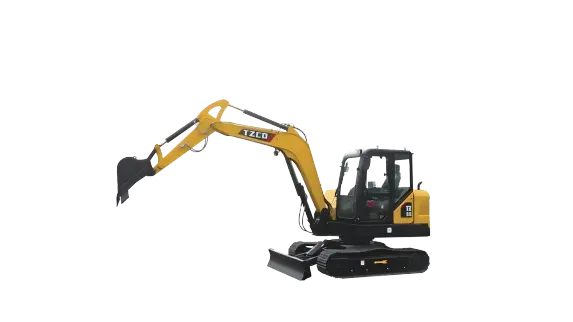
Key Hydraulic System Features That Enhance Fuel Efficiency
Intelligent resource distribution made possible by modern tractors' advanced hydraulic technologies completely changes how fuel is used. These new ideas react to practical factors that change in real time, making sure that energy goes exactly where it's needed without making too much.
Variable Displacement Pumps and Load Matching
When a small fuel hydraulic excavator sends a demand signal, variable displacement pumps change the amount of fluid they send out automatically. When workers do careful grading work that doesn't need much hydraulic power, the pump shortens its stroke. This lowers the load on the engine, which lowers the fuel input rates. On the other hand, when digging deeply in hardened earth, the engine speeds up to meet the needs while the pump boosts capacity to give maximum flow. This synchronisation gets rid of the constant waste that comes from set systems that always produce full hydraulic capacity, no matter what. This load-sensing feature is built into TZCO's custom hydraulic system. The system instantly adjusts the flow to meet working needs and offers compound action flow for controlling multiple functions at the same time.
Electronic Control Systems and Precision Management
Modern excavators have computer controls that keep an eye on dozens of factors at once, such as the engine's RPM, the hydraulic pressure across circuits, the strength of the operator's input, and the load on the attachment. These controls use real-time data processing to find the best speed for fuel injection, pump displacement, and circuit priority. When operators use more than one function at the same time, the controller prioritises important moves while briefly lowering the priority of secondary functions. This stops pressure spikes that put too much stress on the engine. This smart decision-making keeps things running smoothly while saving fuel during tricky manoeuvres that are common in utility trenching and foundation drilling.
Auto-Idle and Economy Mode Integration
A big cost factor in building sites where tractors often stop between jobs is the fuel that is wasted when they are not working. Auto-idle systems know when there has been a long time without any input from the operator and lower the engine's RPM to the lowest level possible while keeping the hydraulics ready. When economy modes are used, the system's reaction traits are changed. This slightly extends cycle times while greatly lowering fuel use during tasks that don't require full speed. The TZ60EXD has a one-click start feature and touch display buttons that make mode selection easier. This makes it more likely for workers to use the fuel-saving choices that are best for the job.
These new technologies don't work alone; they work together to make things better. Variable pumps make machines more efficient, electronic controls help different parts make the best decisions, and different operating modes let users choose how to use fuel most efficiently when project deadlines allow it. Contractors who are in charge of teams that work on multiple sites say that their monthly fuel costs went down when they switched to hydraulically optimised equipment. They often save thousands of dollars a year on each machine.
Operational Strategies to Maximize Fuel Efficiency in 6t Fuel Hydraulic Excavators
Specifications for equipment describe how efficient it might be, but how well it actually works determines its performance. When contractors follow strict repair procedures and train their operators, they regularly get fuel consumption numbers that are much lower than the industry standards.
Maintenance Protocols Preserving Hydraulic Integrity
The decline of hydraulic fluid has a direct effect on how well the system works. When oil is dirty, it causes friction inside pumps and valves, which makes the engine work harder to keep the pressure up. When you do regular fluid analysis, you can find pollution from wear particles, water getting in, or heat breakdown before it starts to show. The TZ60EXD's advanced air filtering system has a two-stage process with a rotating pre-filter and fine filter elements. This system protects the engine and greatly increases the life of its parts.
Filter change plans should be based on what the maker says, not on random dates on the calendar. Working in dirty quarries or on projects near muddy rivers speeds up the filter's loading, so it needs to be serviced more often. Regular checks of hydraulic hoses stop small leaks that waste pressurised fluid and make the pump run all the time to make up for the lost pressure. Track torque changes keep the machine in good touch with the ground, which lowers the load on the trip motor and the fuel use that comes with moving between work areas.
Operator Techniques Minimizing Fuel Waste
Skilled workers operating a 6t fuel hydraulic excavator make the most of the machine's powers by using smooth control inputs that keep pressure from rising quickly. When the switch moves jerkily, demand changes quickly, which forces the engine to speed up quickly, using more fuel during brief reaction times. Skilled workers plan multi-function routines, like lowering the boom while swinging at the same time, to finish cycles faster and use less energy overall than sequential single-function motions.
Another important skill is managing the throttle. Keeping the engine's RPM at its highest level during light grade work loses fuel and doesn't help with output. Operators should change the speed settings to match the difficulty of the job, saving full power for heavy digging in hard ground or manoeuvres that require the most reach. The TZ60EXD's cosy cab with better vision and easy-to-use controls keeps operators from getting tired, so they can keep up their best skill during long shifts. Its touch screen gives you instant feedback on operating factors, which makes you more fuel-conscious by showing you how well it's doing.
Performance Monitoring and Continuous Improvement
Modern fleet management systems track fuel usage against operating hours, giving standards that show poor practices or growing technical issues. Sudden rises in the amount of fluid used per hour are often a sign of a hydraulic problem, like internal pump wear or cylinder seal degradation that needs to be fixed by a repair worker. Comparative study of multiple machines finds the best workers whose methods can be studied and taught to others through training programs.
Project-specific fuel planning makes people responsible and makes teams more aware of how to be efficient. When workers know that fuel costs a lot, they make more careful decisions about how to set up and run the machines. By keeping track of how much fuel is used for each type of project, past data is created that makes future bid estimates more accurate. This improves the company's competitive position and profit margins.
Selecting the Right 6t Fuel Hydraulic Excavator: Brands, Features, and Support
Buying choices aren't just based on technical specs; they also take into account the image of the maker, the framework for support, and the possibility of a long-term relationship. Buying equipment means making a commitment for a number of years. The level of service after the sale has a big effect on the total cost of ownership.
Evaluating Manufacturer Capabilities and Innovation
Leading makers show their dedication to using less fuel by constantly improving their hydraulic systems and spending a lot of money on research. TZCO runs one National Key Laboratory and several innovation platforms to make sure that the technology used to build excavators is always at the cutting edge. This institutional ability has real-world benefits. For example, the TZ60EXD's optimised working device structure gets rid of local stress concentration points. This improves operating efficiency and lowers component wear that can lower hydraulic performance over time.
The history of manufacturing the small fuel hydraulic excavator can help you understand how to keep quality consistent. TZCO was founded in 1950 as China's first company to make heavy machinery that was created by itself. This shows that the company has seven decades of engineering experience. The company has shipped more than 40,000 sets of equipment to more than 70 countries, showing that it is internationally competitive and can meet the different operating and legal needs of markets around the world.
Support Networks and Parts Availability
Hydraulic systems require periodic maintenance and eventual component replacement. Manufacturers with extensive networks for distributing parts keep equipment from having to be taken out of service for long periods of time. Authorised sellers offer original parts that are made to the original specs, making sure that they fit and work properly. Aftermarket options might be cheaper at first, but they often skimp on material quality or accuracy of measurements, which can cause early breakdowns and damage to other systems that are connected.
The manufacturer's trust in the stability of the product is shown by the warranty coverage and service response time. Extended guarantee plans protect against unexpected repair costs during the crucial early working period, when the technology should work perfectly. Technical support teams that are quick to respond help with fixing hydraulic problems from a distance. Often, problems can be fixed by making changes to how things are run instead of needing physical service visits that stop work.
Financing Solutions Facilitating Equipment Acquisition
When workers are working on multiple jobs at the same time, buying capital tools can put a strain on their cash flow. Flexible payment plans spread the costs of buying equipment out over several operating years, letting fuel-efficient equipment be used right away. Leasing structures made for business-to-business clients take into account the seasonality of building industries' income, making payment plans match the times when money is made.
TZCO puts the needs of its customers first by offering full support, which includes help with funding, training for operators, and ongoing technical support. This partnership-based method knows that buying tools is more of the start of a long-term connection than a one-time deal. TZCO helps contractors improve business efficiency while carefully controlling capital investment by focusing on providing value through better engineering and reliable performance.
Conclusion
The main thing that makes current 6t fuel hydraulic excavator use less fuel is optimising the hydraulic system. This helps companies cut costs while also meeting stricter environmental standards. Adding variable displacement pumps, load-sensing controls, and smart management systems changes the way fuel is used from a useless constant-output mode to precisely regulated energy supply that matches immediate demand. These technological advances have real-world economic benefits because they lower the amount of fuel used per hour, make parts last longer, and boost production per litre of fuel used. Contractors can get the most out of their equipment investments and stay ahead of the competition in price-sensitive markets by making smart choices about what to buy based on maker innovation capacity, support infrastructure, and lifetime costs.
FAQ
What kind of fuel does a 6t hydraulic digger usually use?
When they are doing a mix of tasks like digging, lifting, and travelling, modern 6t fuel hydraulic excavators use about 4 to 6 litres of diesel per hour. Actual usage depends on the quantity of the material, the level of action, and the way the user does their job. When doing light to mild work, machines with load-sensing hydraulic systems and economy modes can use less than 5 litres of oil per hour. However, when digging heavily in packed dirt for a long time, the upper range may be reached.
How does regular repair make the car use less gas?
Keeping hydraulic fluid and filters clean lowers the friction inside pumps and motors, which lets systems reach the right pressures with less engine work. When oil is contaminated, the engine has to make more power to make up for lost efficiency, which directly increases fuel use. Regular fluid analysis and filter replacements on plans set by the maker protect the performance of the hydraulic system. This keeps fuel economy within 5% of what it should be, instead of dropping by 15-20% as is common in machines that aren't taken care of.
Can a 6t fuel loader compete with electric ones in terms of how much it costs to run?
Comparing operating costs depends on the amounts of fuel and energy in the area, how they are used, and the needs of the project. Fuel tractors are still useful in rural areas that don't have charging stations and in situations that need long-term, constant operation. Electric cars use less energy in places with cheap power, but they cost more to buy and have to have their batteries replaced more often. For each operating situation, a full lifetime study that takes into account prices for purchase, energy use, upkeep, and selling values gives the most true comparison.
Partner with TZCO for Advanced Fuel-Efficient Excavator Solutions
TZCO has been making high-quality heavy machinery for more than 70 years, and each 6t fuel hydraulic excavator they make shows that. Our TZ60EXD model shows how committed we are to using less fuel by having advanced load-sensing hydraulic systems, meeting Stage III emission standards, and smart settings that lower running costs while increasing productivity. As a top maker of 6t fuel hydraulic excavators, we support your investment in our products by offering a wide range of funding options, original parts, and quick expert help through our global service network. You can email our team at tzcoglobal@tz.com.cn to talk about how our fuel-efficient loaders can improve the performance of your fleet, or you can go to tzcoglobal.com to see full specs and ask for a personalised meeting that will focus on your specific project needs.
References
SAE International. Hydraulic System Efficiency Standards for Mobile Equipment. Society of Automotive Engineers Technical Paper Series, 2021.
Construction Equipment Magazine. Fuel Consumption Analysis: Mid-Sized Excavators Performance Benchmarks. Equipment World Publishing, 2022.
International Organization for Standardization. ISO 12117-2: Earth-Moving Machinery - Laboratory Evaluation of Protective Structures. ISO Standards Catalogue, 2020.
Journal of Construction Engineering and Management. Lifecycle Cost Analysis of Diesel Versus Electric Construction Equipment. American Society of Civil Engineers, 2023.
Hydraulics & Pneumatics Magazine. Variable Displacement Pump Technology and Energy Savings in Mobile Applications. Penton Media Technical Publications, 2022.
National Institute for Occupational Safety and Health. Excavator Operation: Fuel Efficiency and Operator Training Best Practices. NIOSH Publication Series, 2021.