- English
- French
- German
- Portuguese
- Spanish
- Russian
- Japanese
- Korean
- Arabic
- Greek
- German
- Turkish
- Italian
- Danish
- Romanian
- Indonesian
- Czech
- Afrikaans
- Swedish
- Polish
- Basque
- Catalan
- Esperanto
- Hindi
- Lao
- Albanian
- Amharic
- Armenian
- Azerbaijani
- Belarusian
- Bengali
- Bosnian
- Bulgarian
- Cebuano
- Chichewa
- Corsican
- Croatian
- Dutch
- Estonian
- Filipino
- Finnish
- Frisian
- Galician
- Georgian
- Gujarati
- Haitian
- Hausa
- Hawaiian
- Hebrew
- Hmong
- Hungarian
- Icelandic
- Igbo
- Javanese
- Kannada
- Kazakh
- Khmer
- Kurdish
- Kyrgyz
- Latin
- Latvian
- Lithuanian
- Luxembou..
- Macedonian
- Malagasy
- Malay
- Malayalam
- Maltese
- Maori
- Marathi
- Mongolian
- Burmese
- Nepali
- Norwegian
- Pashto
- Persian
- Punjabi
- Serbian
- Sesotho
- Sinhala
- Slovak
- Slovenian
- Somali
- Samoan
- Scots Gaelic
- Shona
- Sindhi
- Sundanese
- Swahili
- Tajik
- Tamil
- Telugu
- Thai
- Ukrainian
- Urdu
- Uzbek
- Vietnamese
- Welsh
- Xhosa
- Yiddish
- Yoruba
- Zulu
Electric Mining Dump Trucks: Features and Future Developments
By swapping diesel engines with modern battery-electric powertrains, electric mine dump trucks are changing the way heavy-duty hauling is done. These specialised cars work without releasing any pollution and can carry heavy loads, which is what modern industrial settings need. With battery systems ranging from 350 to 770 kWh and masses of up to 80 tonnes, these machines solve some of the most important problems in the workplace, like changing fuel prices, strict environmental rules, and health worries about exhaust fumes. The switch to electricity is a smart move that matches the need for efficiency with pledges to sustainability. This sets up mining operations to be competitive in the long run.
Understanding Electric Mining Dump Trucks
Core Components and Operating Principles
Battery-electric haul trucks have a lot of complex systems that all work together to make sure they work well. The electric motor takes the place of standard combustion engines. It provides fast power, which makes movement better on high haul roads. High-capacity lithium-ion battery packs store power that keeps the engine running for long shifts. Integrated power control systems make sure that energy is distributed efficiently at all times, so the system works well during the loading, moving, and dumping processes. When a vehicle goes downhill, regenerative braking systems collect kinetic energy and turn it back into electrical charge. This increases the vehicle's operating range. This ability to recover energy is especially useful in situations where trucks carrying goods have to go downhill from extraction spots to processing facilities.
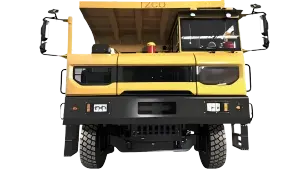
This combination is shown by our TZK90E-TZK120E line. The TZK90E type has a 90-ton machine weight and a 350-420 kWh battery capacity, which means it can carry up to 60 tonnes of cargo for medium-sized jobs. With 481–770 kWh battery packs, the TZK120E can carry up to 120 tonnes, and it can also carry 80 tonnes of cargo for heavy hauling needs. Both types have frames made of steel that are made to last in tough mining circumstances.
Charging Infrastructure and Battery Management
Supporting infrastructure for modern battery systems is needed to keep downtime to a minimum and working efficiency at a maximum. Dual-gun fast charging technology lets you quickly get more power when your shift changes. Charging times vary from one to two hours, based on the battery's size and the charger's specs. Some businesses use battery-swapping systems that can swap out empty packs for fully charged ones in less than five minutes. This keeps the fleet available all the time, similar to how gasoline fuelling works.
Battery heat control methods keep the right working temperatures even when the weather changes. Active heating parts keep cell chemistry safe in cold places below -20°C, which keeps capacity from dropping during winter operations. Cooling systems get rid of the heat that is made during high-discharge operations, which keeps batteries from wearing out too quickly. Advanced devices for managing batteries keep an eye on the voltages, temperatures, and charge states of each cell. This gives real-time information that helps with planned repair. These tracking tools let workers know about possible problems before they affect performance, which cuts down on unplanned downtime.
Safety Systems and Operator Environment
Safety technologies built into these cars protect the people who are driving them and the people around them. Radar and sensor bands are used by anti-collision systems to find things in the truck's way. When dangers are found, the brakes are applied instantly. Modern braking systems use both hydraulic retarders and regenerative brakes to keep stopping power steady on steep hills, even after a lot of use. Large air tanks make sure that the brakes work the same way throughout the whole shift, which is a major safety issue with standard pneumatic systems.
The operator box of the mining dump truck is the result of decades of study into ergonomics and feedback from people who work in the mining industry. Large plans make it easy to see from all sides, which cuts down on hidden spots that can lead to crashes at work. No matter what the weather is like outside—in the freezing cold of the arctic or the burning heat of the desert—climate control systems keep the temperature comfortable. Intuitive control screens show important data like the battery's charge level, the weight of the package, and system readings, so operators can make smart choices. Vibration-dampening bolts keep the cabin from being affected by road hits. This keeps operators from getting tired during long shifts.
Latest Technologies and Innovations in Electric Mining Dump Trucks
Advanced Battery Technologies
There is a new battery technology called lithium iron phosphate (LFP) that is best for heavy mining. LFP cells are more resistant to heat than other types of lithium-ion batteries, which lowers the risk of fire in harsh working conditions. These batteries can handle the strong shocks that happen on rough haul roads, and their structure stays the same after thousands of charge-discharge cycles. Modern LFP packs can handle more than 3,000 cycles at high C-rates that are common in mine job cycles. This means that they can be used for 5 to 7 years before they lose their capacity and need to be replaced.
Further gains in energy efficiency and safety are expected from research into solid-state battery technology. Solid electrolytes get rid of the flammable liquid parts that are usually in lithium-ion cells. This makes thermal runaway risks almost nonexistent. A higher energy density would allow for longer working ranges or lighter batteries with the same amount of power. Manufacturing scale is still the main problem that is stopping broad commercial use, but many makers think it will be ready for production in three to five years.
Intelligent Control Systems and Automation
These days, trucks have advanced control systems that make them work better in a variety of situations. Machine learning programs look at past performance data to figure out the best way to send power on certain haul routes. This makes the system as efficient as possible while also protecting the battery's life. Real-time monitoring lets fleet managers see where the trucks are, how charged the batteries are, how productive they are, and when they need to be serviced. This lets them make decisions based on facts.
Self-driving hauling systems are the next big thing in mine technology. Several companies around the world have put fully driverless electric trucks to work in business settings, getting rid of the need for human workers in normal transport cycles. For safe travel on haul roads, these systems use GPS tracking, LiDAR cameras, and smart path-planning algorithms. Autonomous operations are more consistent than human operators because they keep speeds at the best levels and follow exact lines that use the least amount of energy. Large-scale mining companies can afford to spend a lot on technology because it saves money on labour costs and boosts productivity.
Manufacturer Innovation Landscape
Global equipment makers keep improving the features of electric haulers. Caterpillar's 793 XE model was the first ultra-class hauler to use an electric drive system, showing that it could work on a large scale. Komatsu's trolley-assist systems use both battery power and overhead electricity lines on main haul routes. This increases the operating range while lowering the size of the batteries needed. Hitachi Construction Machinery creates regenerative systems that are best for certain mine layouts and get the most energy back in a variety of operating situations.
TZCO's engineering teams use their more than 70 years of experience with big tools to make solutions that work well in tough mining settings. Our National Key Laboratory support gives us the study tools that help us keep coming up with new ideas in areas like improving electric drivetrains, integrating batteries, and building structures. The TZK90E-TZK120E line is based on all of this knowledge, and it offers solid performance backed by a full expert support network that spans over 70 countries.
Procurement and Decision-Making Guide for Electric Mining Dump Trucks
Critical Selection Criteria
The payload size needs guide the choice of electric mining dump truck. To get the best loading cycles, operations must match the hauler's capacity with the loading equipment's capabilities, such as the size of the digger bucket and the shovel's capacity. Haulers that are too small have to make more trips to move the same amount of weight, while haulers that are too big may have empty loads that lose capacity. The TZK90E-TZK120E line can carry 60 to 80 tonnes of cargo, which is good for middle to large-scale businesses that need to balance capacity with operating freedom.
The working range and shift output are directly related to the battery capacity. To get an idea of how much energy is used each day, procurement teams should look at normal haul lengths, road grades, and cycle rates. Longer trips or more than one shift mean that batteries need to be bigger or the charge system needs to be stronger. Operations in cold climates have to take into account that battery systems may need to be bigger than they need to be to keep working during the winter.
Sourcing Strategies and Financial Structures
Authorised sellers and direct relationships with manufacturers are two great ways to buy things. Working directly with makers like TZCO gives you access to their technical knowledge during the design development process. This makes sure that the equipment you choose meets all of your practical needs. When you buy tools with a comprehensive support deal, you don't have to worry about long-term upkeep. Service networks that are already set up in big mining areas make it easy to get help quickly when technology problems happen, which keeps costly downtime to a minimum.
Structures for leasing and purchasing big equipment purchases help handle the use of cash. Operating leases help you save money for other investments and give your fleet the freedom to change its capacity based on demand. Capital loans and equipment funding spread the cost of buying something out over the time that it is valuable, which makes prices more in line with how much money the business makes. Some makers offer performance-based contracts that tie payments to how much equipment is used and how much it produces. This makes the goals of both the manufacturer and the user more aligned.
Risk Assessment for Customized Solutions
Customisation lets tools deal with unique operating problems that can't be solved by standard specs. People often ask for customised dump body designs, electricity systems that work better in harsh conditions, or springs that are stronger for very rough haul roads. These changes need to be carefully thought through in terms of tech skills, guarantee effects, and shipping times. Manufacturers with strong design skills and a history of doing custom engineering well reduce the risks that come with non-standard specs.
Future Developments and Industry Trends
Electrification Adoption Trajectories
Electricity use in the mining sector keeps going up because of stresses from both the economy and the government. Some of the biggest mining companies have said they will be carbon-neutral by 2040 or 2050. One way they plan to do this is by electrifying their tools. Experts in the field think that by 2030, 30 to 40 percent of all new haulers will be electric. This is up from less than 5 percent now. For this change to happen, a lot of money needs to be spent on charge stations, expanding the grid's capacity, and training programs for workers.
More and more, regulatory systems require businesses that use mining dump truck to cut down on their emissions. European Union rules, California Air Resources Board standards, and similar laws in other places make it necessary to follow rules that favour equipment with no emissions. Carbon pricing and pollution trade systems make operating demands more appealing by adding financial rewards. This makes the economic case for electricity stronger even in places where equipment isn't directly required.
Supply Chain Evolution and Partnerships
Battery supply lines are an important thing to think about when trying to get more electric haulers into use. Battery prices and shipping times are sometimes affected by limited supplies of lithium, cobalt, and nickel. Operators who are ahead of the curve build long-term ties with equipment makers who keep safe battery supply deals. Some mining companies take advantage of the chance to become more vertically integrated by making their own battery materials to power their own electric trucks.
Manufacturer relationships are more than just buying tools together; they also include working together on long-term projects. Co-development programs let operators have a say in the specs of the next generation of tools, making sure that new goods will meet the needs of operators as they arise. Joint investments in infrastructure like charging stations, grid upgrades, and repair centers spread out the cost of capital and speed up the time it takes to install. These relationships within an environment become more valuable as technology changes faster than individual companies can create complete answers on their own.
Workforce Readiness and Infrastructure Planning
For electricity to work, workers must learn how to use new tools. Maintenance workers need to learn about electricity safety and how to diagnose problems with battery systems and power electronics. Operators need to be taught how to handle batteries in a way that makes equipment more available and lasts longer. Progressive companies start training years before the equipment gets there. This makes sure that the preparation of their human capital meets the release of their physical assets.
Infrastructure planning timelines are much longer than equipment purchase processes. From the idea stage to the finished product, grid capacity studies, transformer upgrades, and charging infrastructure installs take two to three years. When operations are looking to switch to electricity, they should talk to utility companies early on to find out what problems might arise with the grid and work out when to make upgrades. On-site green energy generation, especially solar systems with battery storage, can be used when grid capacity isn't enough or when the cost of power makes it economically unpleasant to depend on the grid.
Conclusion
The switch to battery-powered electric mining dump truck moving tools is not just a small improvement; it is a basic change in how digging is done. Performance benefits, environmental benefits, and long-term cost saves make these value models very appealing to businesses that are looking to the future. Battery systems, charging facilities, and car interface technologies have matured to the point where they can be used reliably in business settings, moving beyond trial uses. Organisations that adopt electrification set themselves up to meet regulations, run more efficiently, and be stars in sustainability. The question no longer is "should we electrify?" but "how quickly can operations make the switch while still meeting their productivity goals?"
FAQ
Just how much does it cost to own an electric or gasoline truck in total?
Electric haulers usually need a 20–40% bigger original investment, but over five years, the total cost of ownership is usually 15–25% lower for electric units. This benefit comes from not having to pay for gas fuel, less upkeep, and lower costs for replacing parts. To find out the exact economic effects on their situation, operations should do site-specific financial modelling that takes into account things like local energy rates, gas prices, the amount of work that needs to be done, and the types of loans that are available.
What improvements in charging facilities are needed?
What kind of infrastructure is needed depends on the size of the fleet, the shift plans, and the way the haul cycle works. A single fast-charging machine at a repair facility may be enough for a small fleet to work well. Larger businesses usually have more than one charging point carefully placed around the site. Battery-swapping systems are an option for ongoing processes where stopping to charge is not an option. Working with electricity engineers during the planning stages makes sure that the equipment can handle practical needs while keeping costs down.
How do very high or very low temperatures affect how well batteries work?
Active heat control in modern battery management systems lessens the effects of temperature. For operations that take place in cold weather, battery heating devices keep cell temperatures below -20°C, which keeps capacity loss and charge problems from happening. In hot climates, cooling devices are used to get rid of the heat that is made during high-power activities. With the right temperature control, a system can work reliably all year long in a wide range of weather situations without losing much efficiency.
Accelerate Your Mining Electrification Journey with TZCO
TZCO offers tried-and-true electric hauling options backed by seven decades of experience making big machines. Our TZK90E-TZK120E line has strong 60-80 tonne carrying capabilities and high-tech 350-770 kWh battery packs made for tough mining settings. We have world-class clever manufacturing sites and global support networks that reach over 70+ countries as a recognised National Manufacturing Single Champion Enterprise. Our engineering teams are here to help you throughout the whole duration of your equipment, whether you need to buy electric mining dump trucks, get specifications tailored to your special needs, or just find a trusted equipment source with a lot of technical know-how. Get in touch with us at tzcoglobal@tz.com.cn to talk about how our all-electric hauling options can help you run your business more efficiently and meet your environmental goals.
References
Parker, R., & Chen, L. (2023). Economic Analysis of Electric Haulage Systems in Surface Mining Operations. International Journal of Mining Engineering, 47(3), 245-267.
Thompson, K. D. (2022). Battery Technology Advancements for Heavy-Duty Off-Highway Applications. Society of Automotive Engineers Technical Paper Series, 2022-01-0847.
Mining Equipment Manufacturers Association. (2023). Global Market Analysis: Electric Mining Equipment Adoption Trends 2020-2030. MEMA Industry Report.
Sanderson, M., & Liu, Y. (2023). Regenerative Braking Systems in Mining Haul Trucks: Energy Recovery and Operational Benefits. Proceedings of the Annual Mining Technology Conference, Denver, CO.
International Council on Mining and Metals. (2022). Zero-Emission Mining Equipment: Technical Guidelines and Implementation Strategies. ICMM Best Practice Framework.
Rodriguez, A., & Nakamura, H. (2024). Infrastructure Requirements for Fleet-Scale Mining Electrification: Case Studies from North American Operations. Mining Engineering Quarterly, 76(1), 88-104.